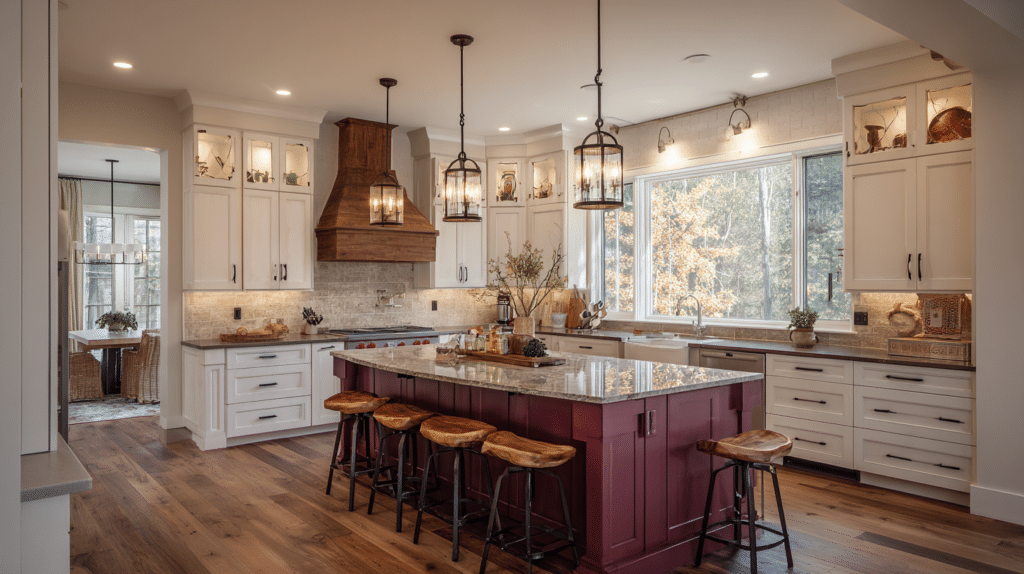
Notice how some kitchens just feel different? There’s something going on with the cabinets, but you can’t quite put your finger on it.
Look closer, and you’ll spot it: they’re not all the same color.
Two tone kitchen cabinets are showing up everywhere, from design magazines to your neighbor’s remodel.
They add depth without being loud about it.
And honestly, they’re way more interesting than the one-color setups we’ve been seeing for years.
Why Two-Tone Cabinets are Trending?
People are tired of kitchens that look like they came from a catalog. Everything matching feels safe but boring.
Social media changed the game. Scroll through Instagram or Pinterest, and you’ll see kitchens where the island doesn’t match the rest, or uppers and lowers are different colors.
It looks intentional and interesting.
Benefits of two-tone kitchen cabinets:
- Creates visual depth in your kitchen
- Makes the space feel more custom and less generic
- Adds contrast without major renovation costs
- Hides dirt and wears better than single-color setups
- Gives you flexibility to mix styles and finishes
Designers are finally moving past all-white everything, and people are here for it. The look has staying power because it adapts to different tastes.
Before We Begin, Here’s How to Choose Your Two Colors
Picking colors isn’t just about what looks cool online. Your kitchen’s layout, lighting, and existing features all matter.
Start with What You Already Have: Look at your countertops, floors, and backsplash. Your cabinet colors need to work with these. Warm-toned floors pair better with warmer cabinet colors.
Consider Your Kitchen Size: Big kitchens can handle dark colors. Smaller spaces need lighter uppers to avoid feeling cramped.
Test Before Committing: Paint samples on actual cabinet doors and look at them for several days. Colors change as light shifts throughout the day.
Think About Natural Light: Lots of windows? You can use darker colors. Limited light? Stick with lighter shades.
Match Your Style Preference: Modern kitchens lean toward grays and blacks. Traditional spaces work better with creams and navy. Pick colors that fit your home’s existing vibe.
Factor in Maintenance: Darker colors show dust and fingerprints more than lighter ones. If you hate constant cleaning, go lighter on surfaces you touch often.
Popular Two-Tone Kitchen Cabinet Ideas
Ready to see what works? These combinations show how different colors and finishes can completely change your kitchen’s vibe.
1. Light Uppers with Dark Lowers
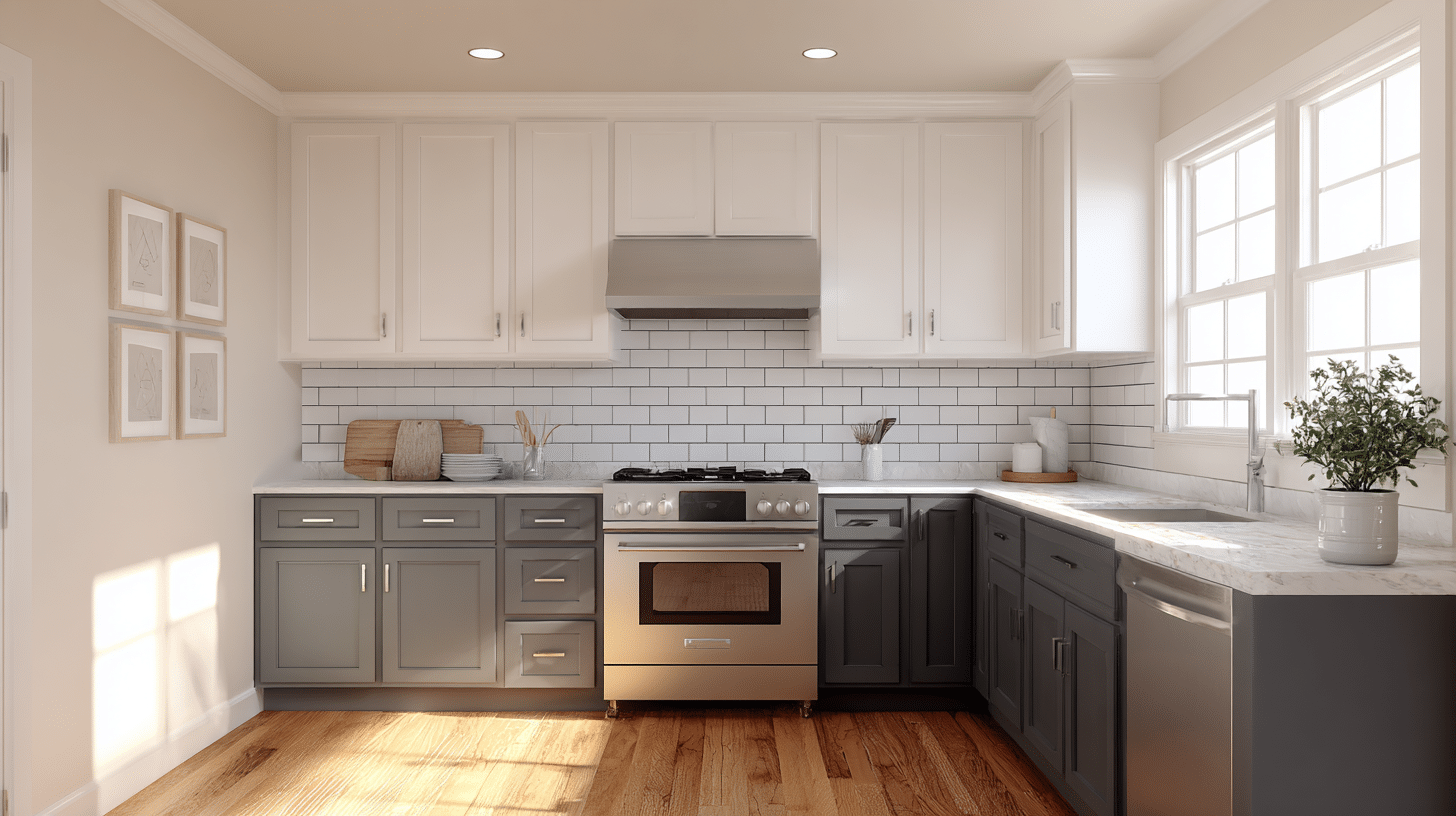
This is the classic setup for a reason. Dark bottoms hide scuffs and spills while light tops keep the room feeling open.
It’s practical and looks good in almost any style kitchen. You can’t really mess this one up, which is why it’s the go-to choice for first-timers.
2. White Uppers with Navy Lowers
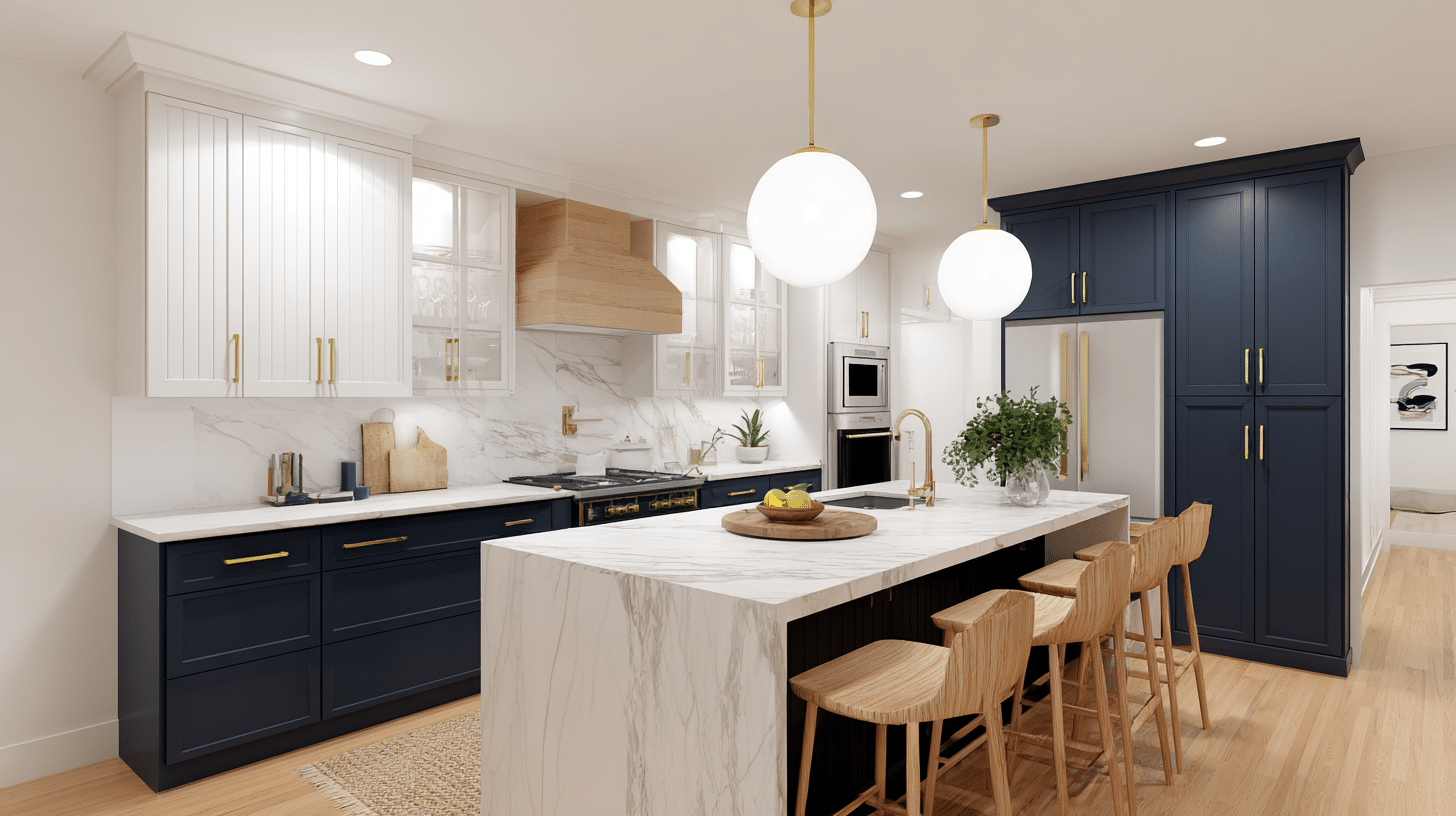
Navy brings in color without screaming for attention. The white on top balances everything out, and the navy base adds just enough personality.
Works great in both traditional and modern spaces.
3. Gray Uppers with Black Lowers
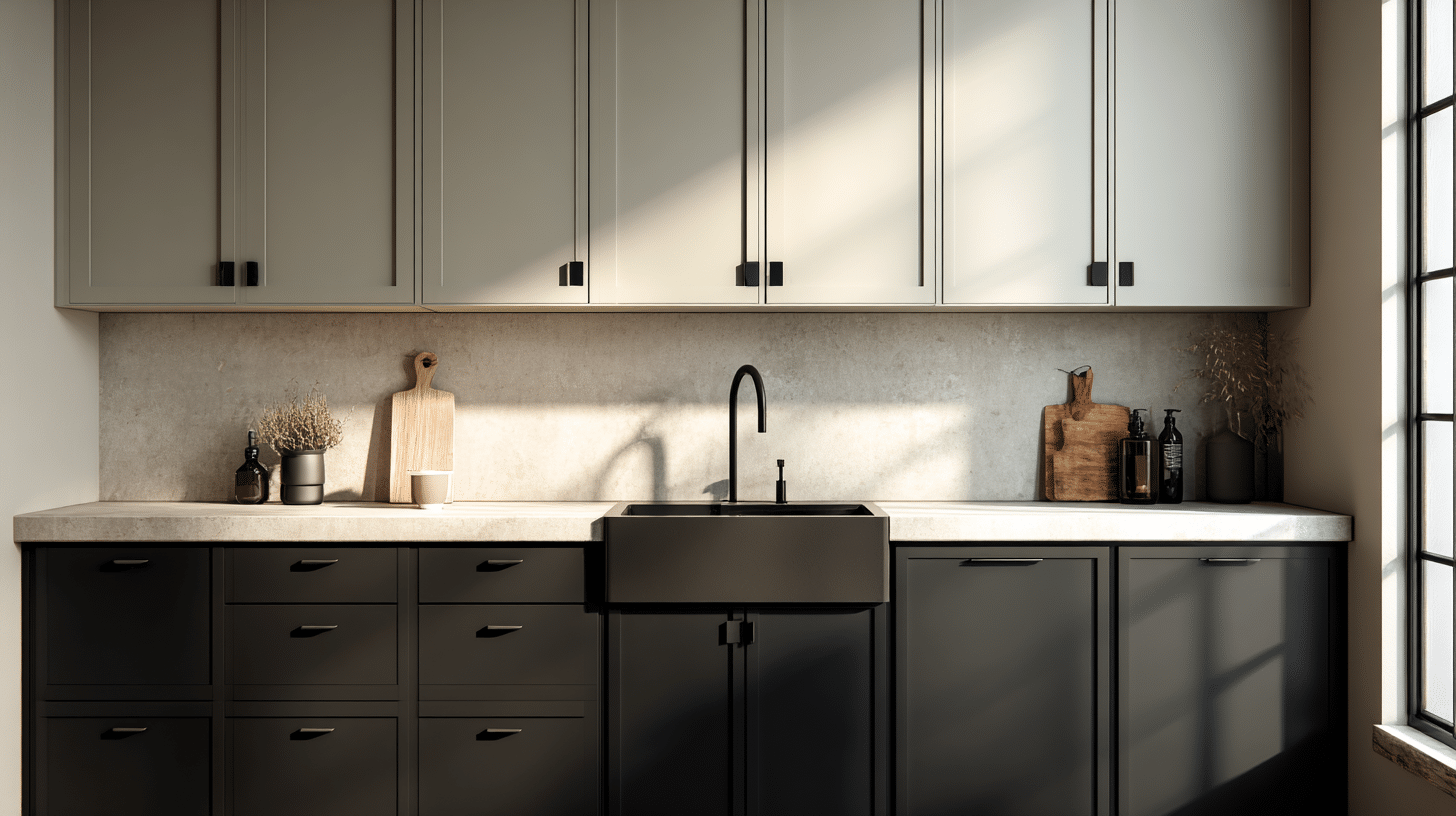
If you want something moody but not too intense, this combo delivers. The gray softens the black so it doesn’t feel too heavy.
Perfect for people who like a sleek, polished look.
4. Cream Uppers with Charcoal Lowers
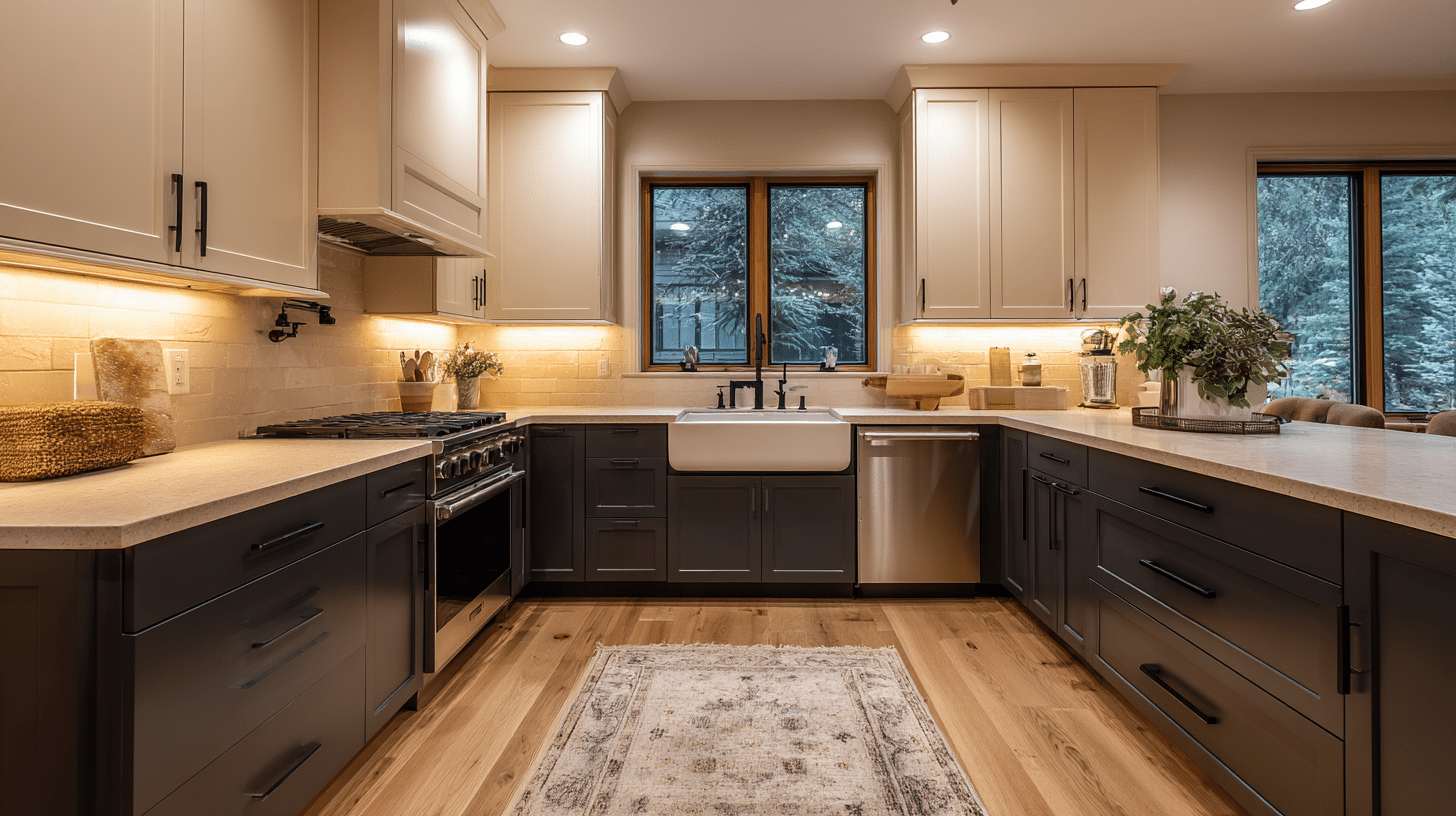
Cream gives you that off-white feel without being stark. Pair it with charcoal, and you get a kitchen that feels cozy but still has an edge.
The contrast is there, but it’s not harsh.
5. Black Uppers with Wood Lowers
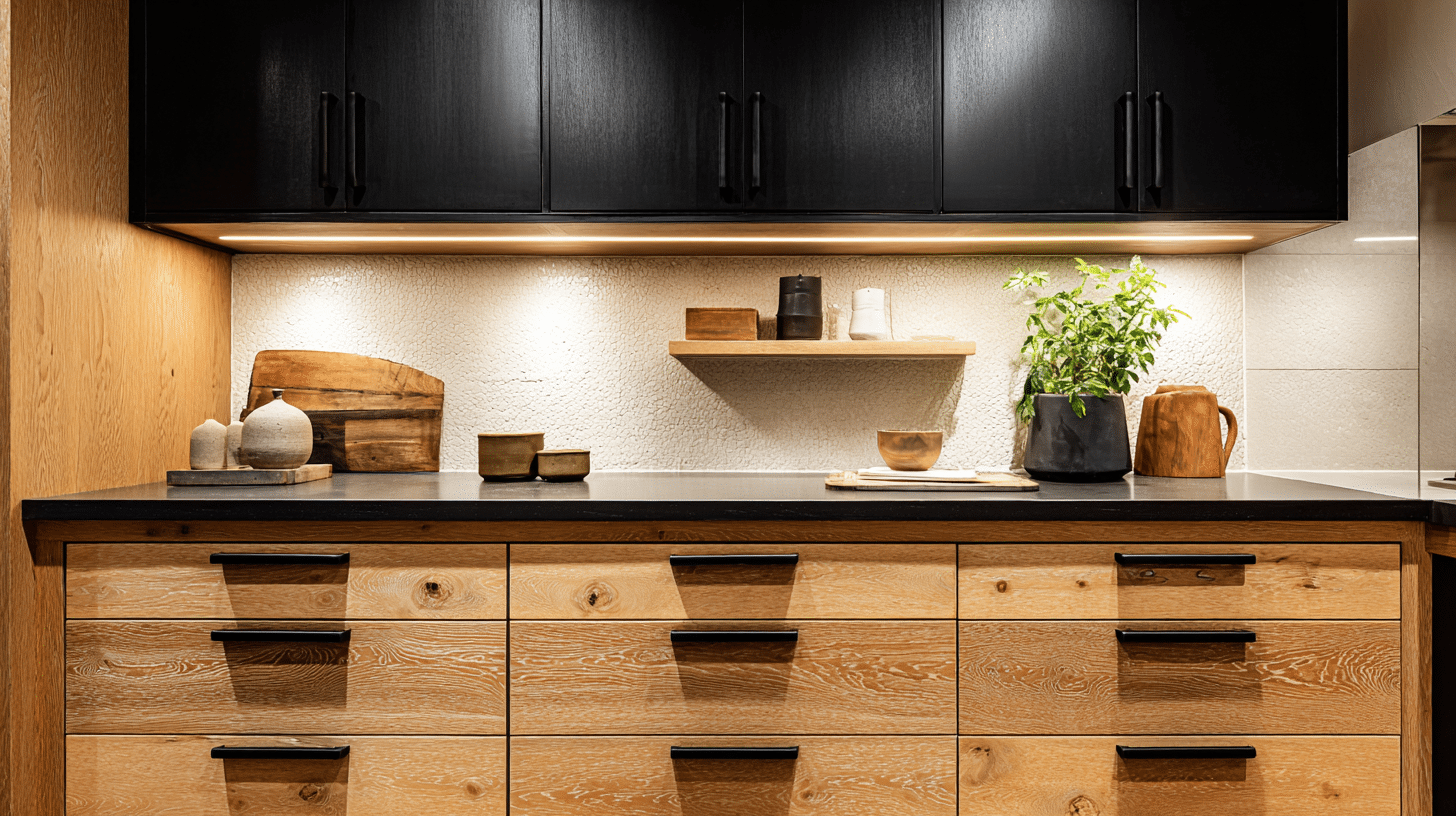
Flipping the usual dark-on-bottom approach can look really striking. The black uppers add drama while the wood lowers bring in natural texture.
This one definitely makes a statement. Just make sure your kitchen has enough light, or the black on top might feel too heavy.
6. Wood Uppers with White Lowers
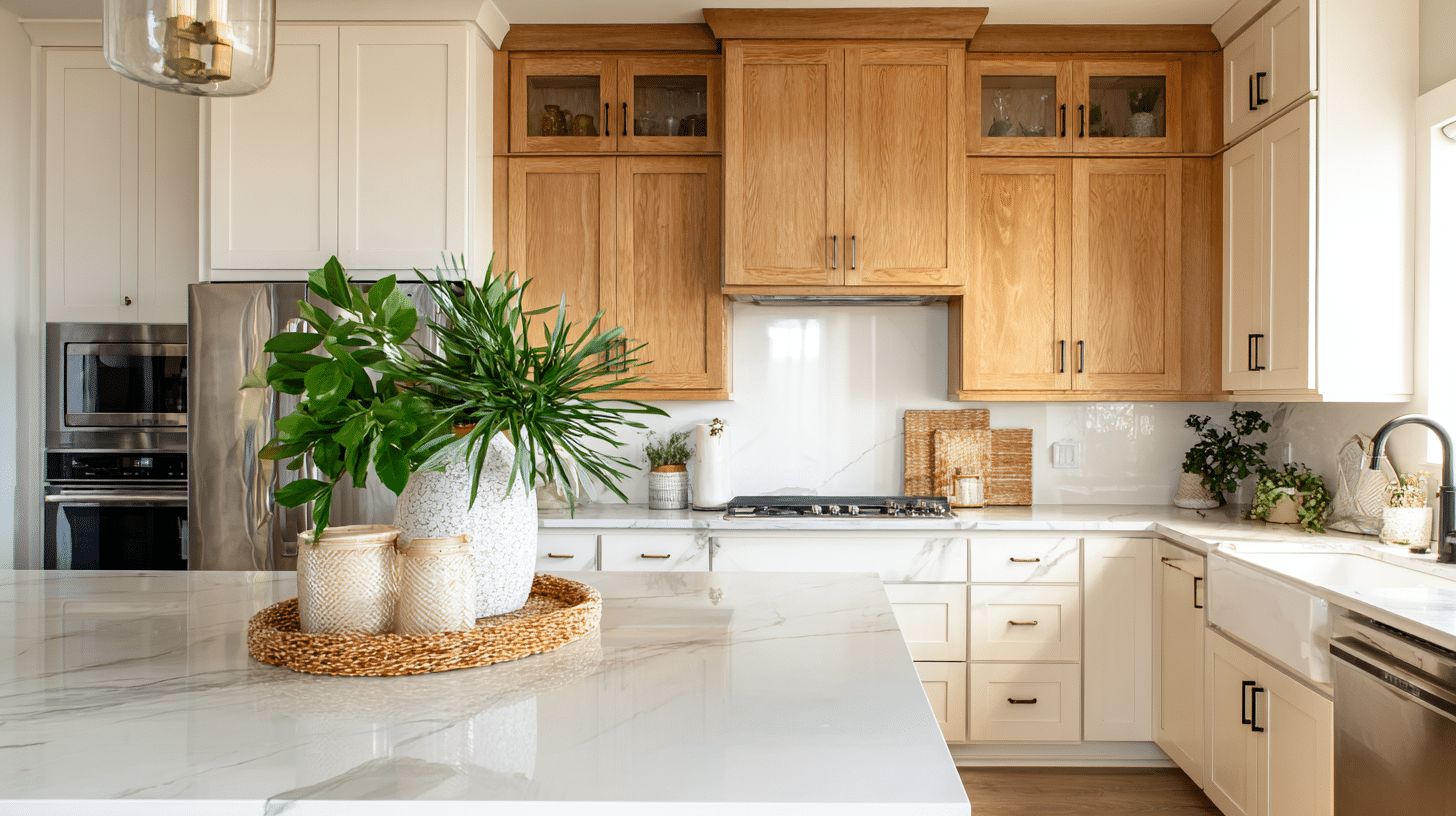
This brings texture up top and keeps things clean below. The wood adds character, and the white keeps it from feeling too cabin-like.
It’s a good middle ground between natural and polished.
7. All-Wood Uppers with Green Lowers
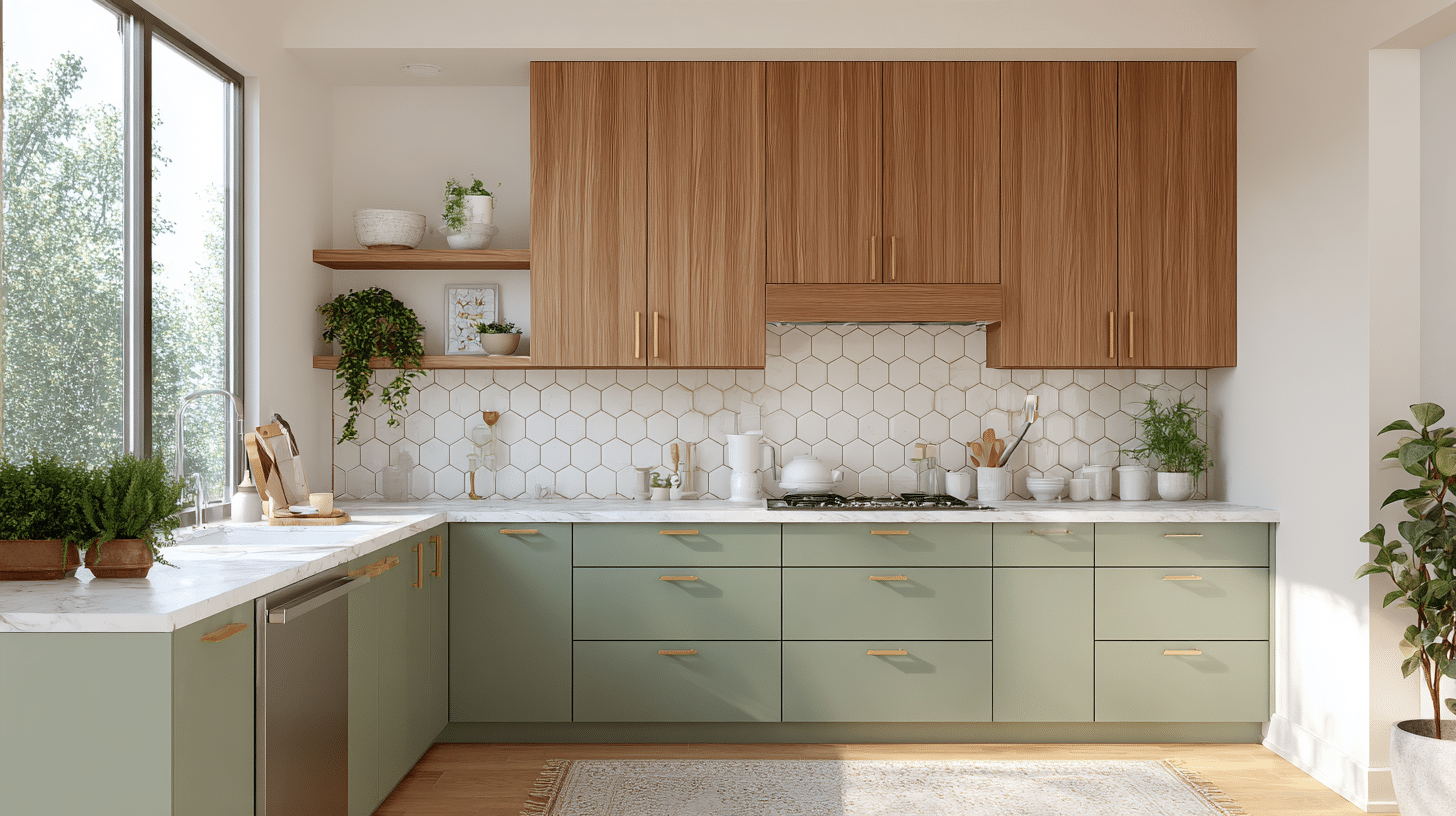
Green is having a moment, and pairing it with natural wood makes sense.
The wood tones down the color so it doesn’t overwhelm. This works especially well in kitchens with lots of natural light.
8. White Cabinets with a Blue Island
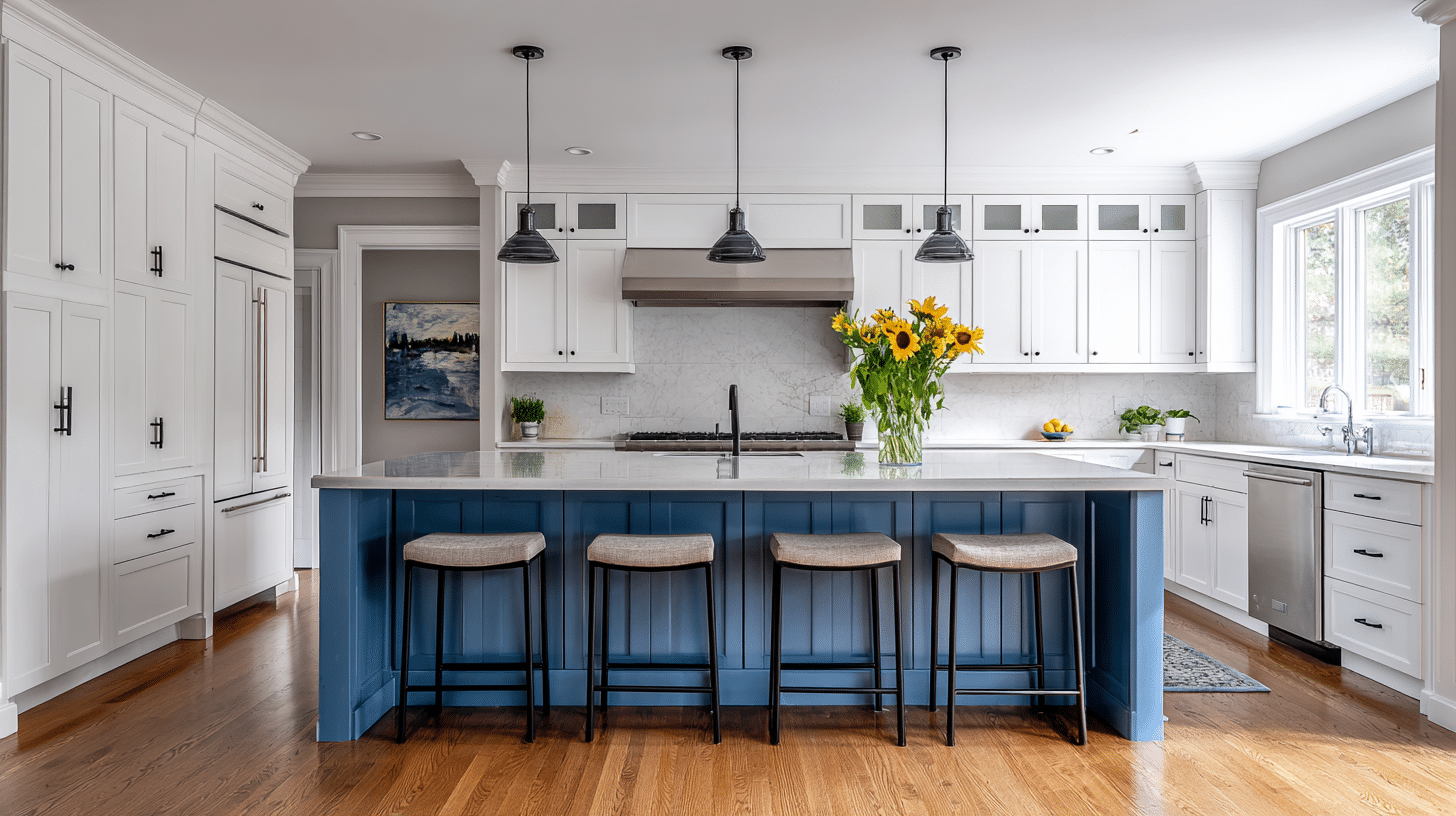
Your island becomes the main event with this setup. The blue draws the eye while the white cabinets keep the room balanced.
You can go soft with powder blue or bold with cobalt.
9. Gray Cabinets with a Walnut Island
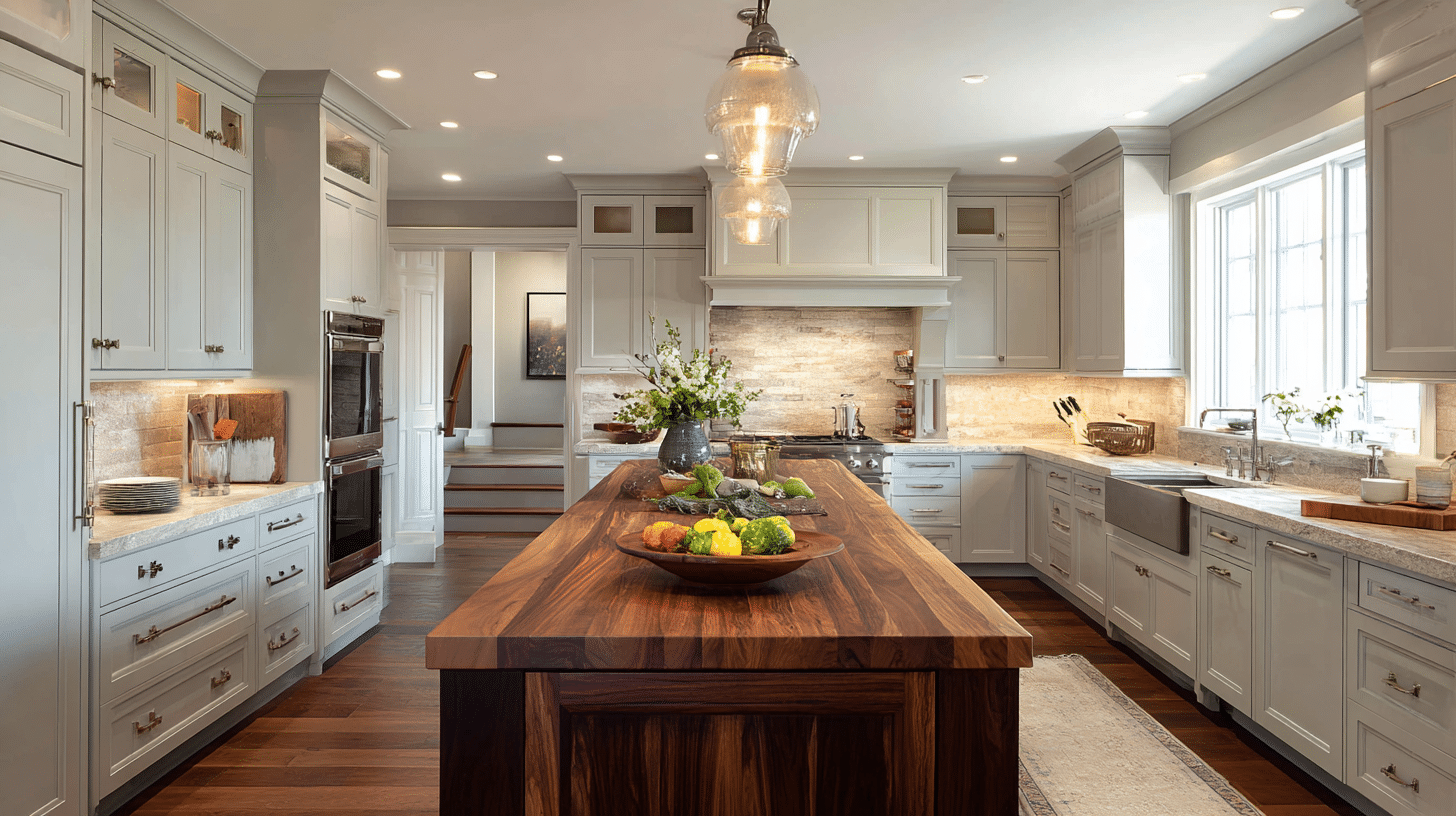
Walnut brings warmth that gray can sometimes lack. The rich wood tone against cool gray creates a kitchen that feels both modern and inviting.
Plus, walnut ages beautifully. The natural grain becomes a focal point without needing extra decoration.
10. Matte White with Matte Black
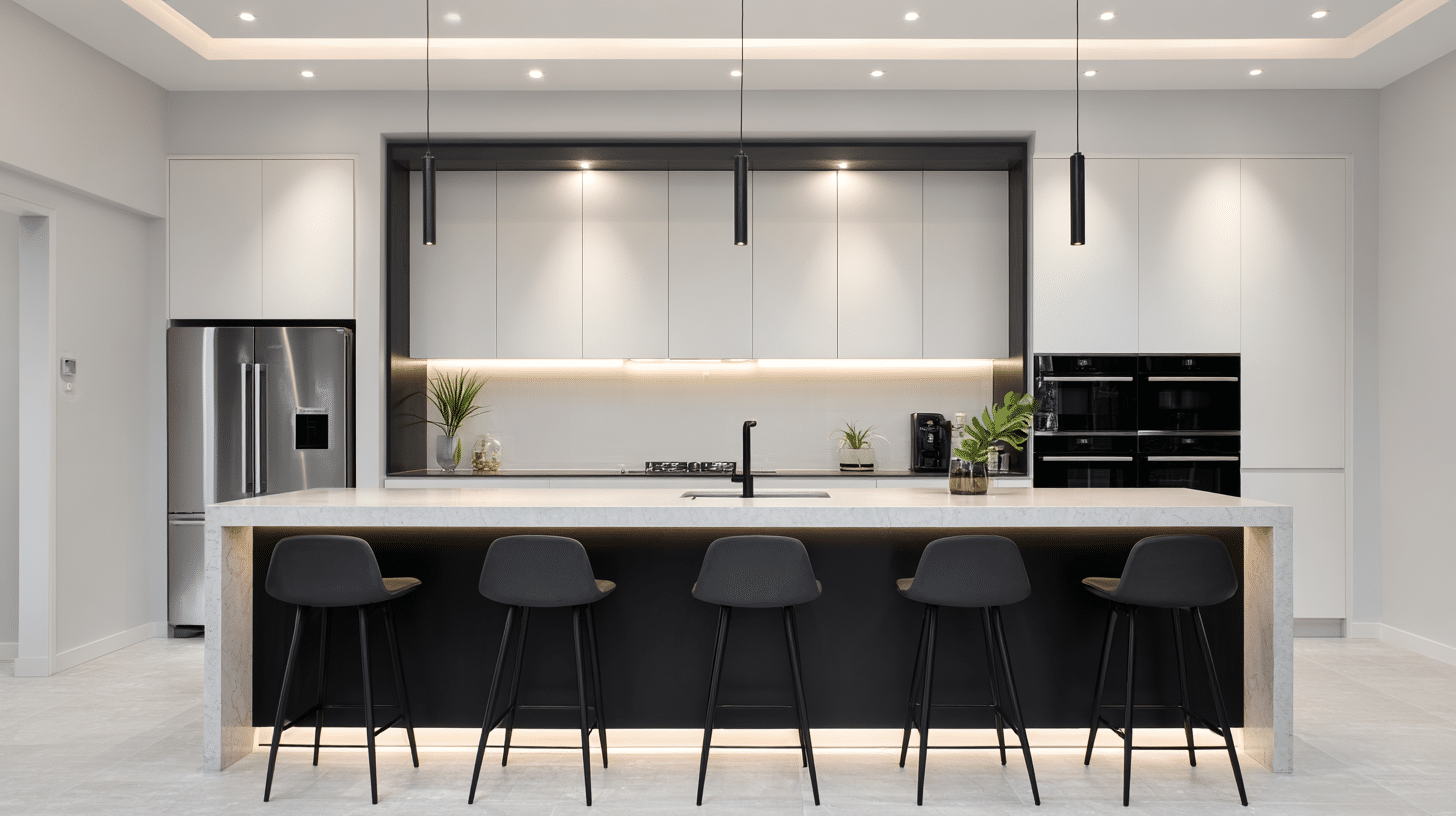
High contrast doesn’t have to be shiny. Matte finishes on both colors create a sophisticated look that’s less in-your-face than glossy versions.
Fingerprints show up less, too. This combination works especially well in modern kitchens where clean lines matter.
The lack of shine keeps the focus on the contrast itself, not reflections.
11. Beige Uppers with Brown Lowers
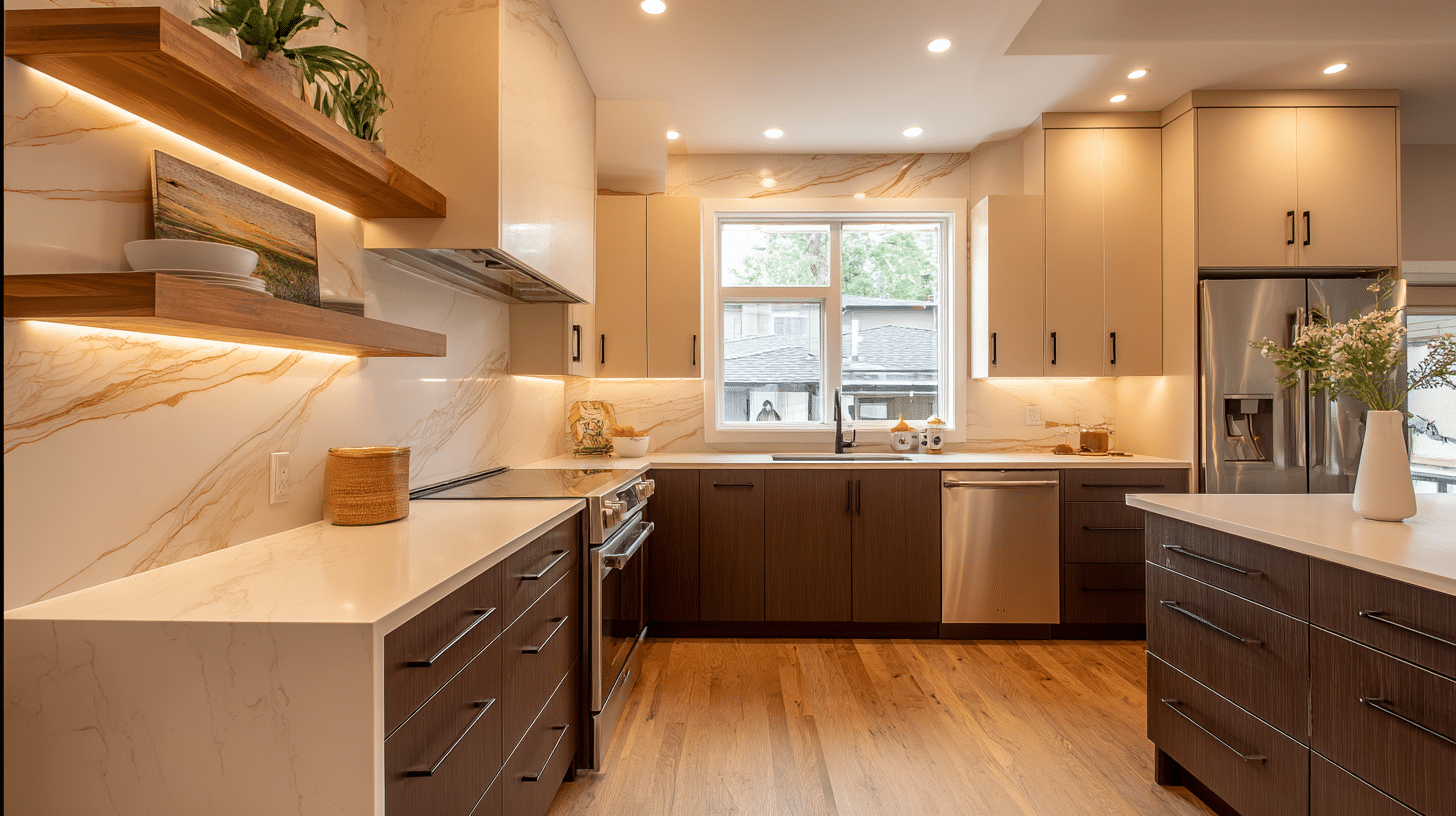
This is for people who want a neutral kitchen but find white and gray boring.
The brown grounds the space, and beige keeps it light. It feels earthy without going full farmhouse.
Plus, both colors hide minor imperfections better than stark white ever could.
12. Light Gray Uppers with Navy Lowers
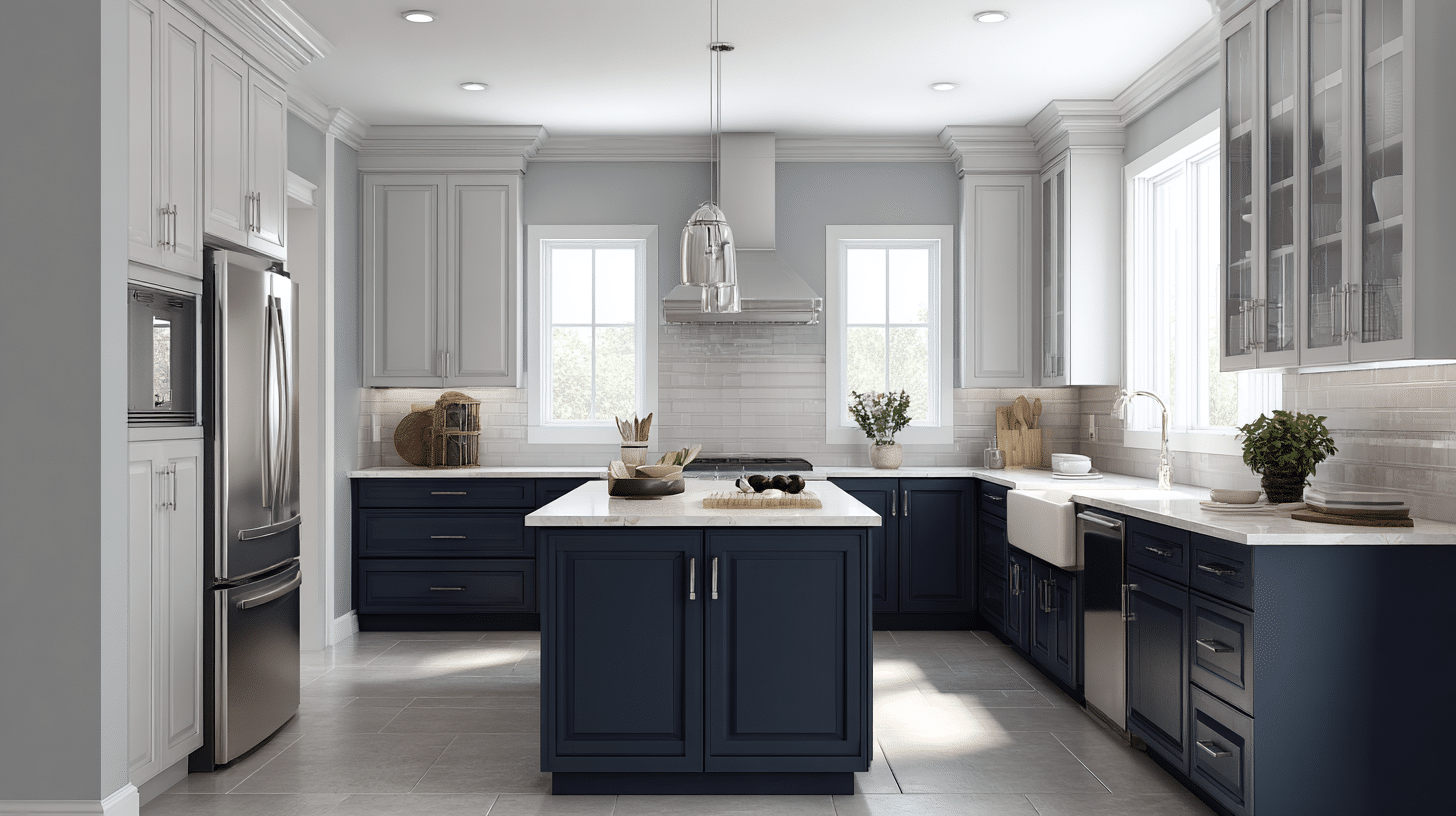
Light gray is more forgiving than white and pairs beautifully with navy. The combination reads as calm and collected. It’s a safe choice that still has visual interest.
Works in both traditional and coastal-style kitchens without looking out of place.
13. White Uppers with Sage Lowers
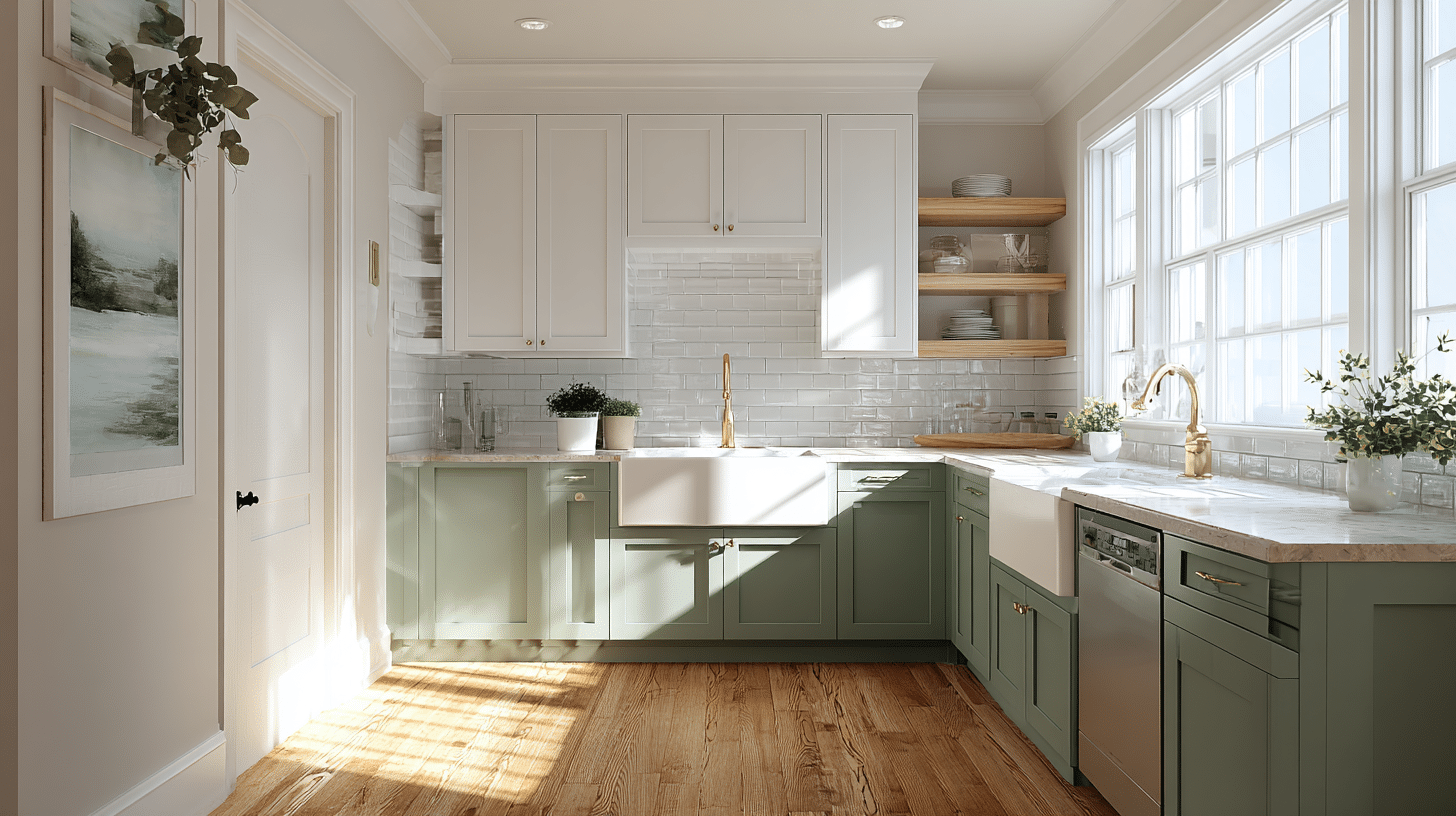
Sage is that perfect green that works in almost any kitchen.
It’s muted enough to feel timeless but still brings in color. White on top keeps the sage from taking over. This combo looks especially good with brass or gold hardware.
14. Taupe Uppers with Dark Wood Lowers
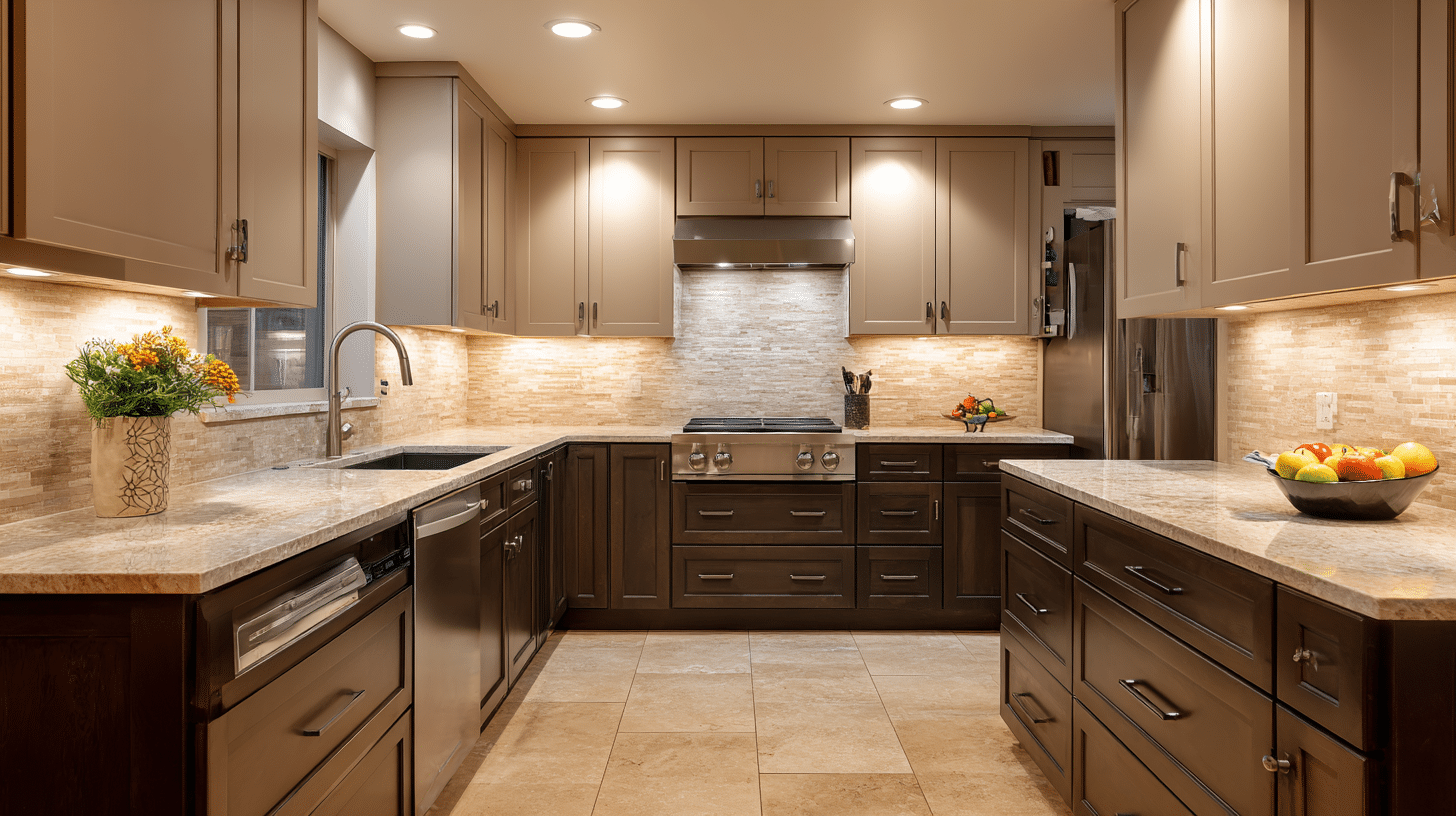
Taupe gets overlooked, but it’s incredibly versatile. Against dark wood, it creates a kitchen that feels pulled together and a bit unexpected.
The wood adds richness without being too formal.
15. White Cabinets with Natural Oak Island
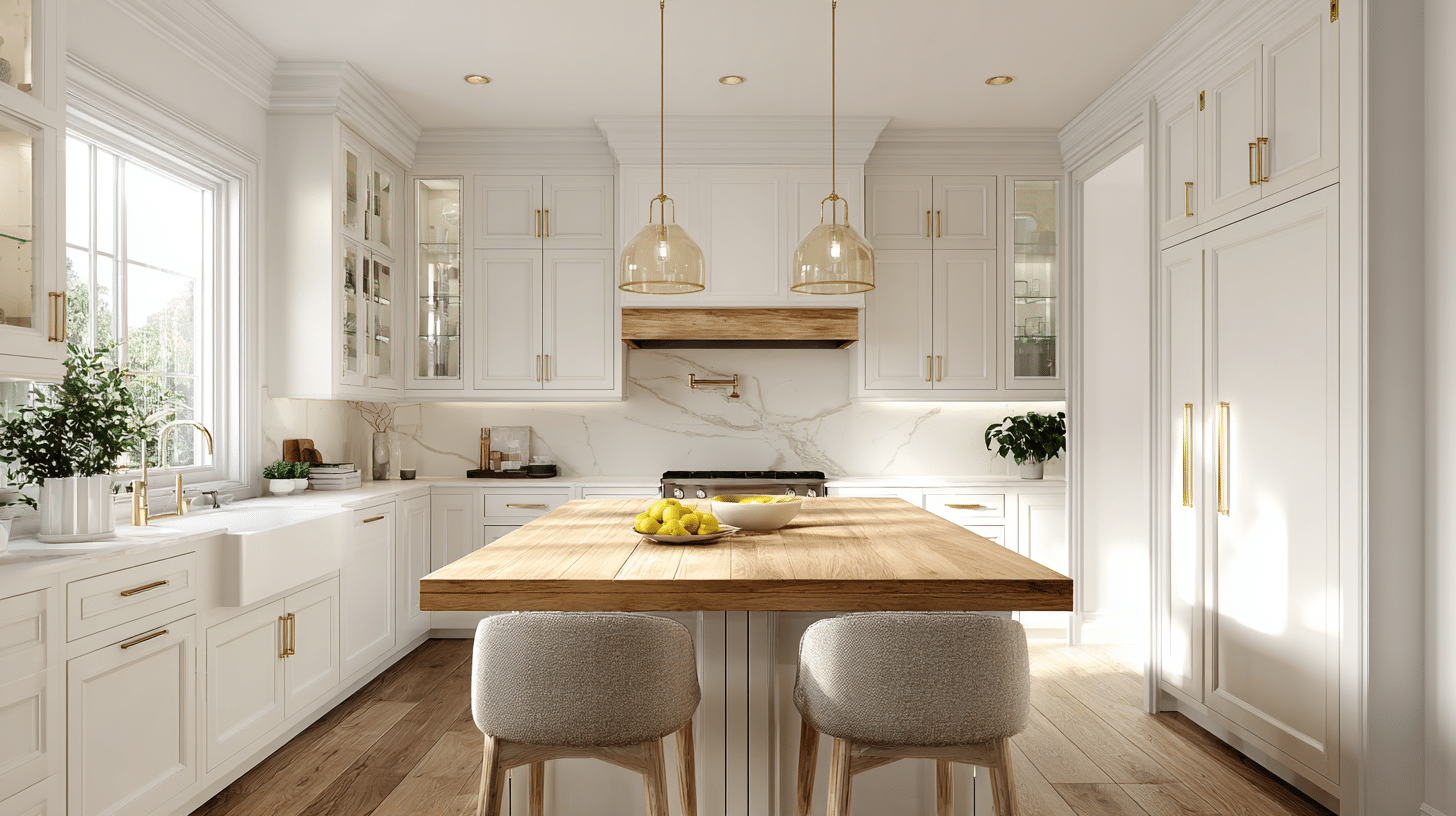
Oak is back, and people are here for it. The natural grain pattern adds texture against plain white cabinets.
Your island becomes a feature piece without needing anything fancy.
It’s also easier to maintain than painted islands since scratches blend into the wood grain.
16. Black Lowers with Soft Gray Uppers
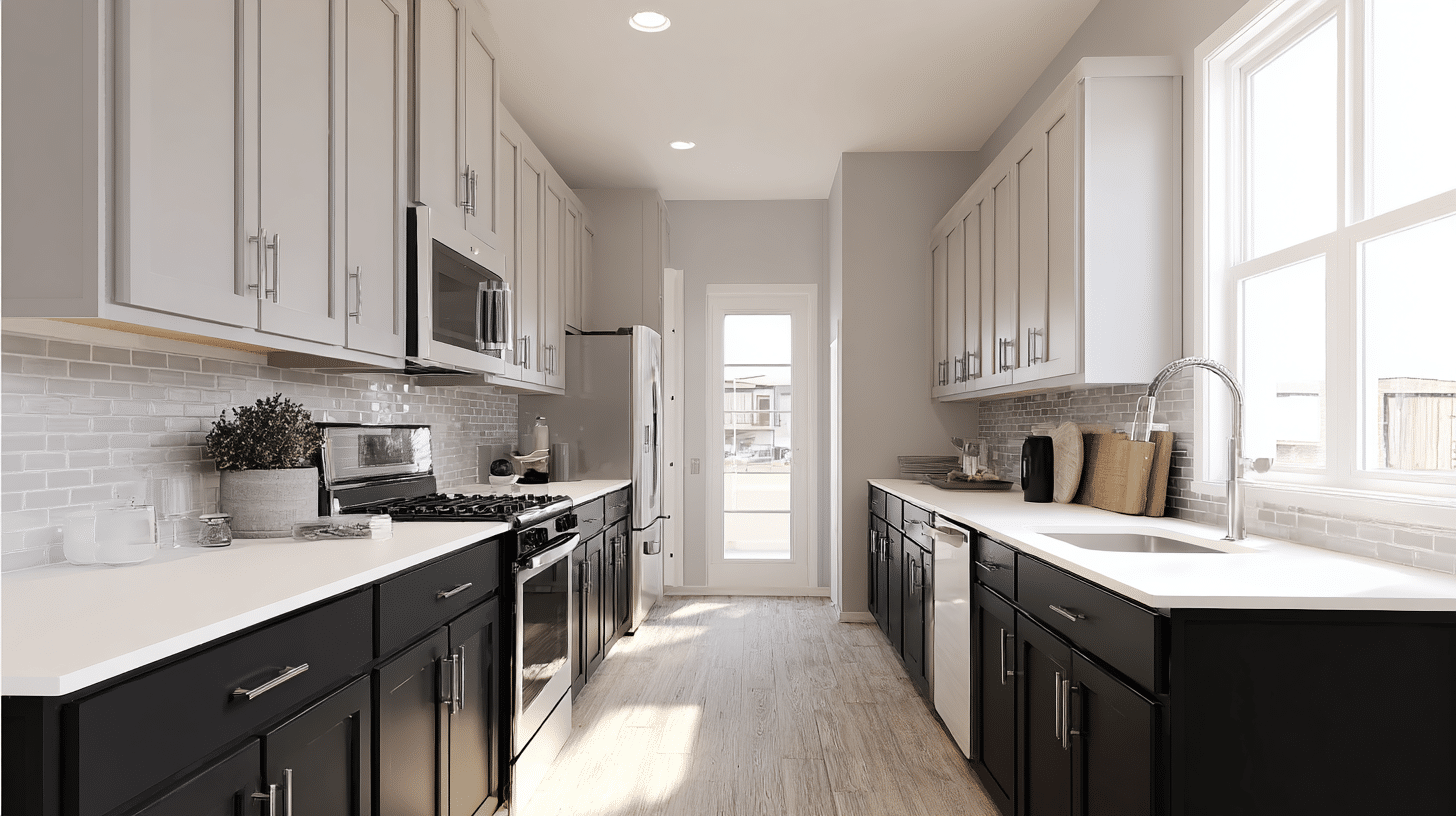
Soft gray keeps black from feeling too intense. The gray lightens things up while the black base adds weight and grounds the design.
It’s dramatic but still livable. Chrome or stainless steel hardware works perfectly with this pairing.
17. White Uppers with Espresso Lowers
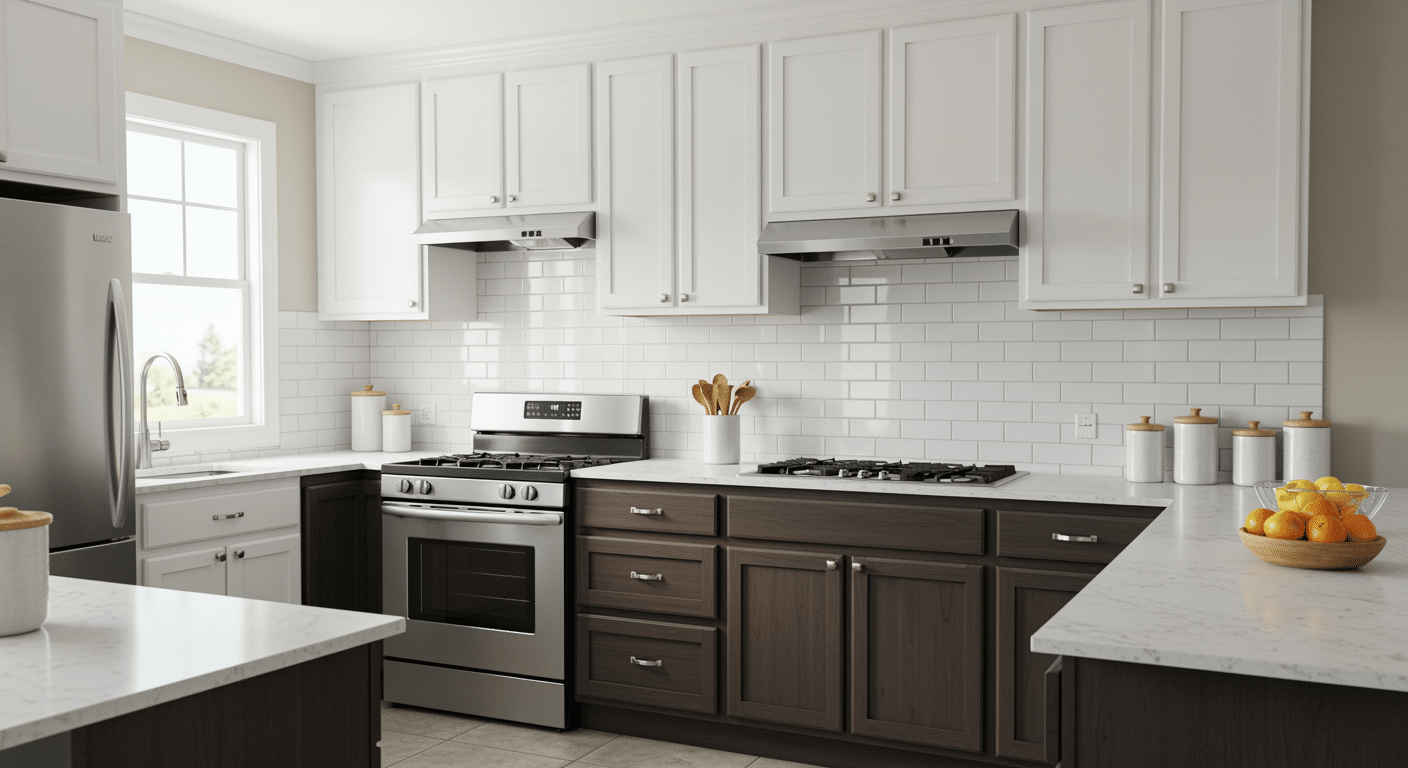
Espresso is that almost-black brown that feels a bit softer than true black. Against white, it creates a strong contrast but with more warmth.
It’s a classic pairing that works in traditional and transitional kitchens.
18. All-Wood Lowers with Painted Uppers
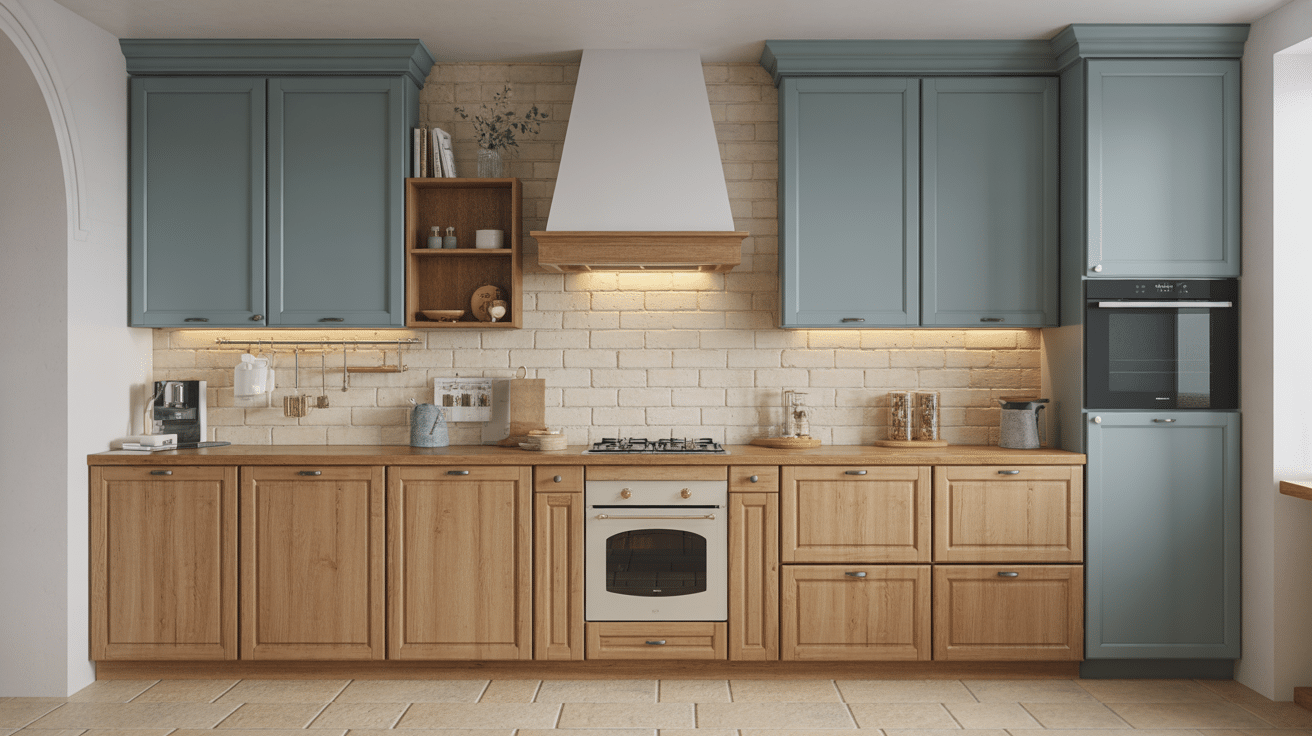
This flips the usual formula. Wood on the bottom feels grounding, and you can pick any paint color for the uppers.
It gives you flexibility to change the painted part later if you want a refresh.
19. Two Tones of Wood Together
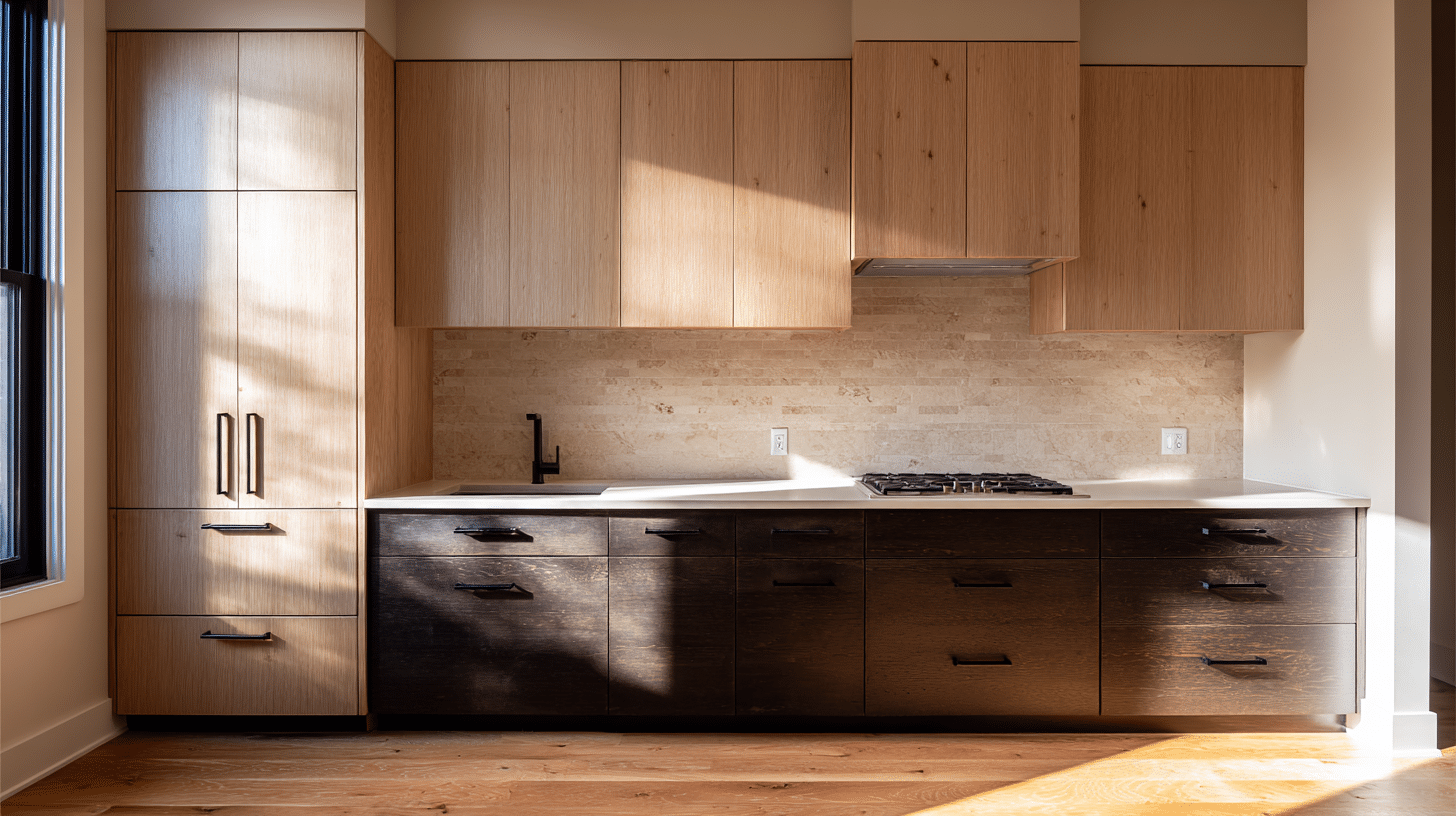
Mixing light and dark wood takes some confidence, but it can look incredible.
Think blonde oak uppers with walnut lowers. The key is making sure the wood tones complement each other, not clash.
20. Light Blue Uppers with White Lowers
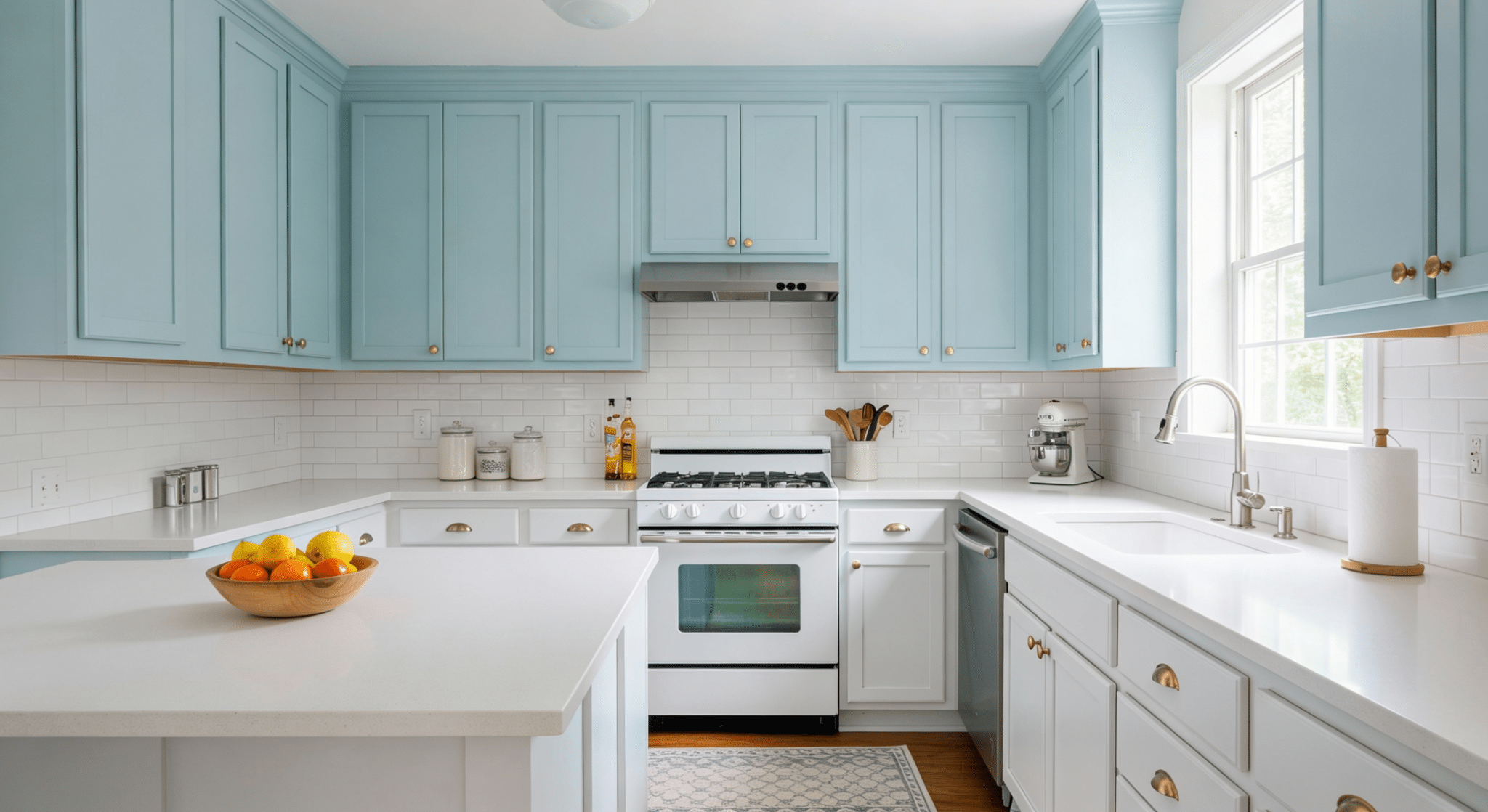
Light blue brings in color in a gentle way. It’s cheerful without being childish, and white below keeps things crisp.
This combo works especially well in smaller kitchens where dark colors might feel heavy.
21. White with Black Hardware and Dark Island
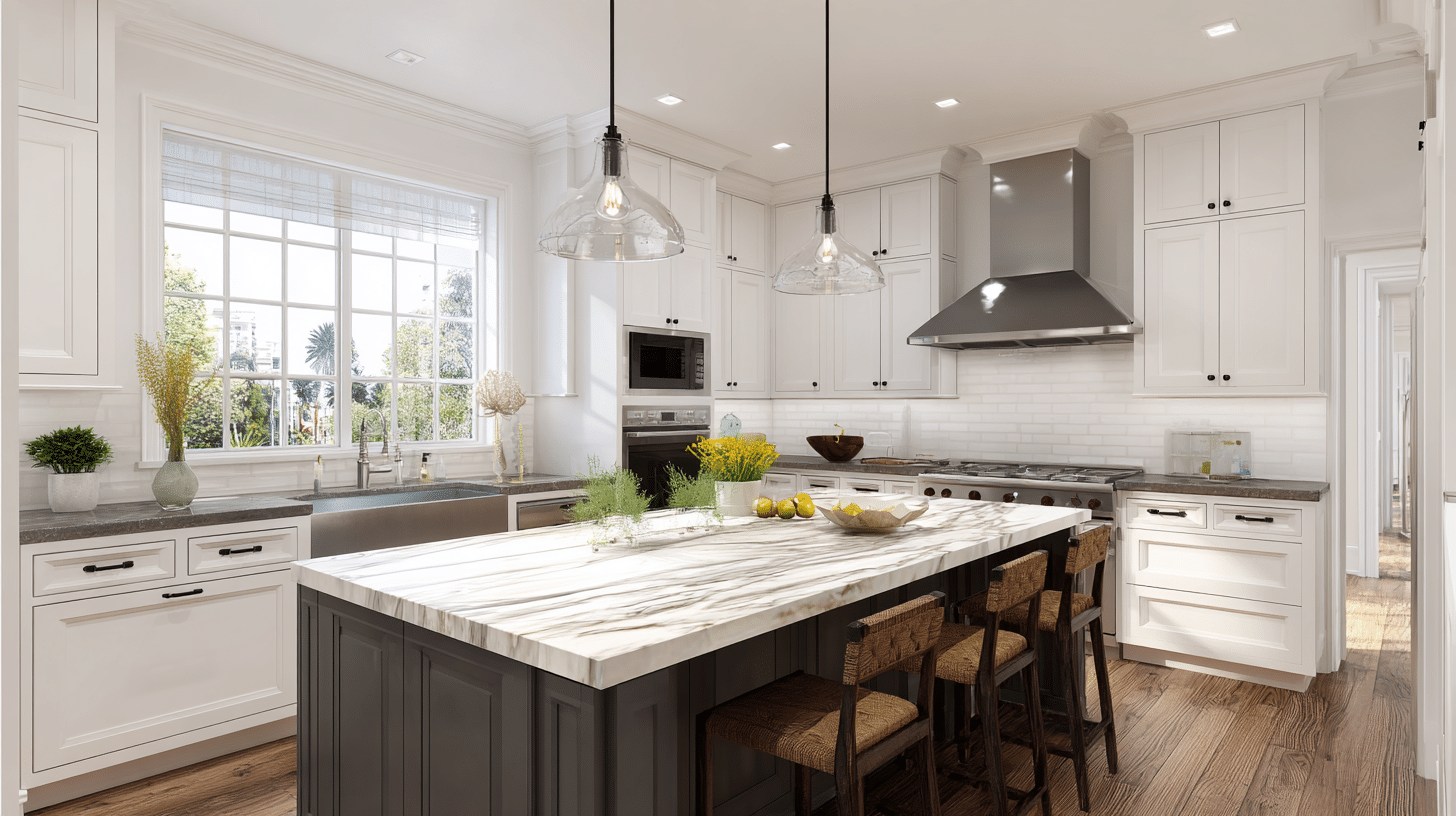
Sometimes the hardware does half the work. Black hardware on white cabinets already creates contrast, and a dark island amplifies that.
It’s a cohesive look that feels thought out.
22. Green Island Paired with Neutral Cabinets
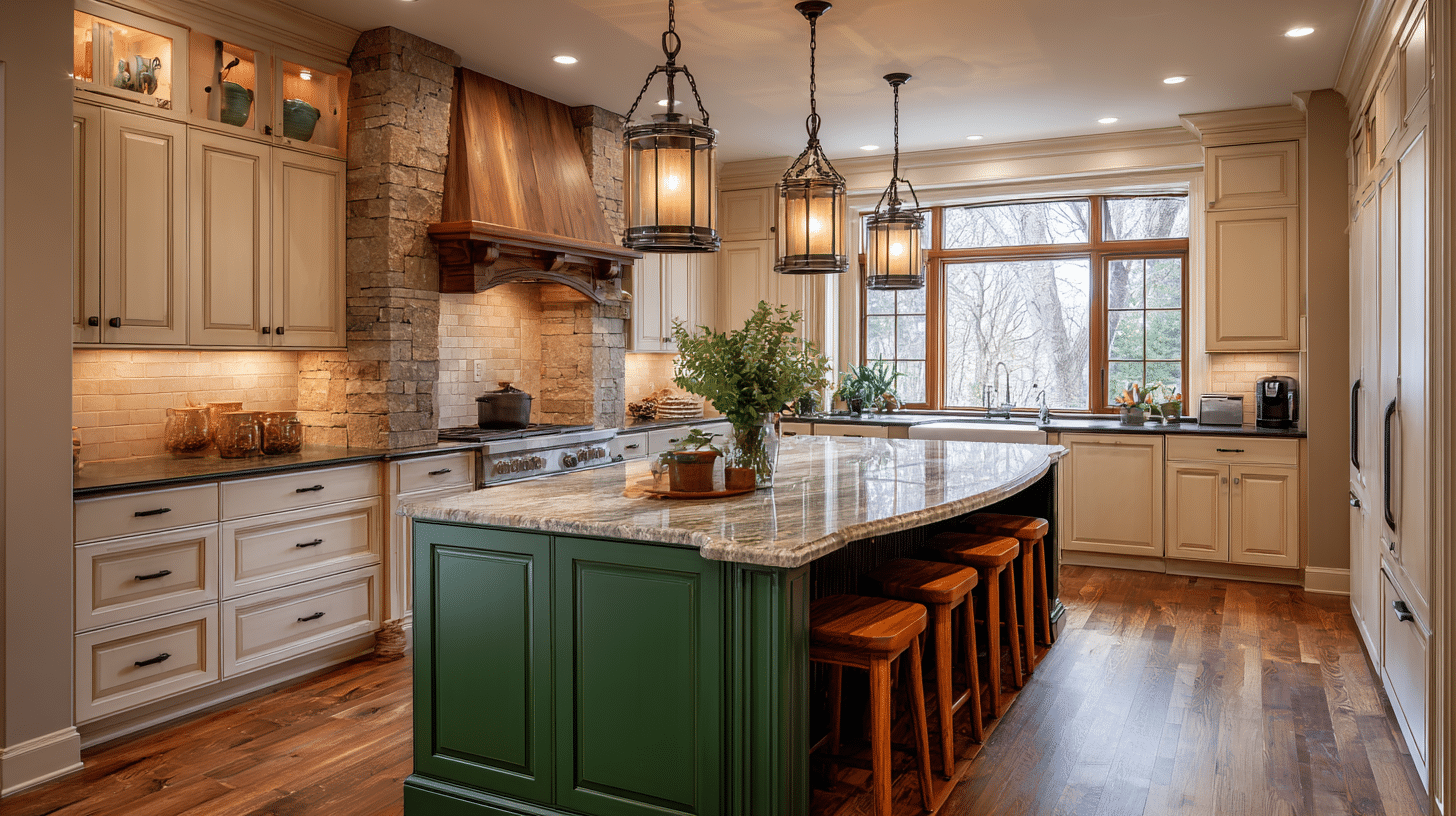
A green island against beige, gray, or white cabinets brings life into the kitchen. The neutral surround lets the green shine without competing.
You can go hunter green, olive, or something softer.
23. Soft Pink Uppers with White Lowers
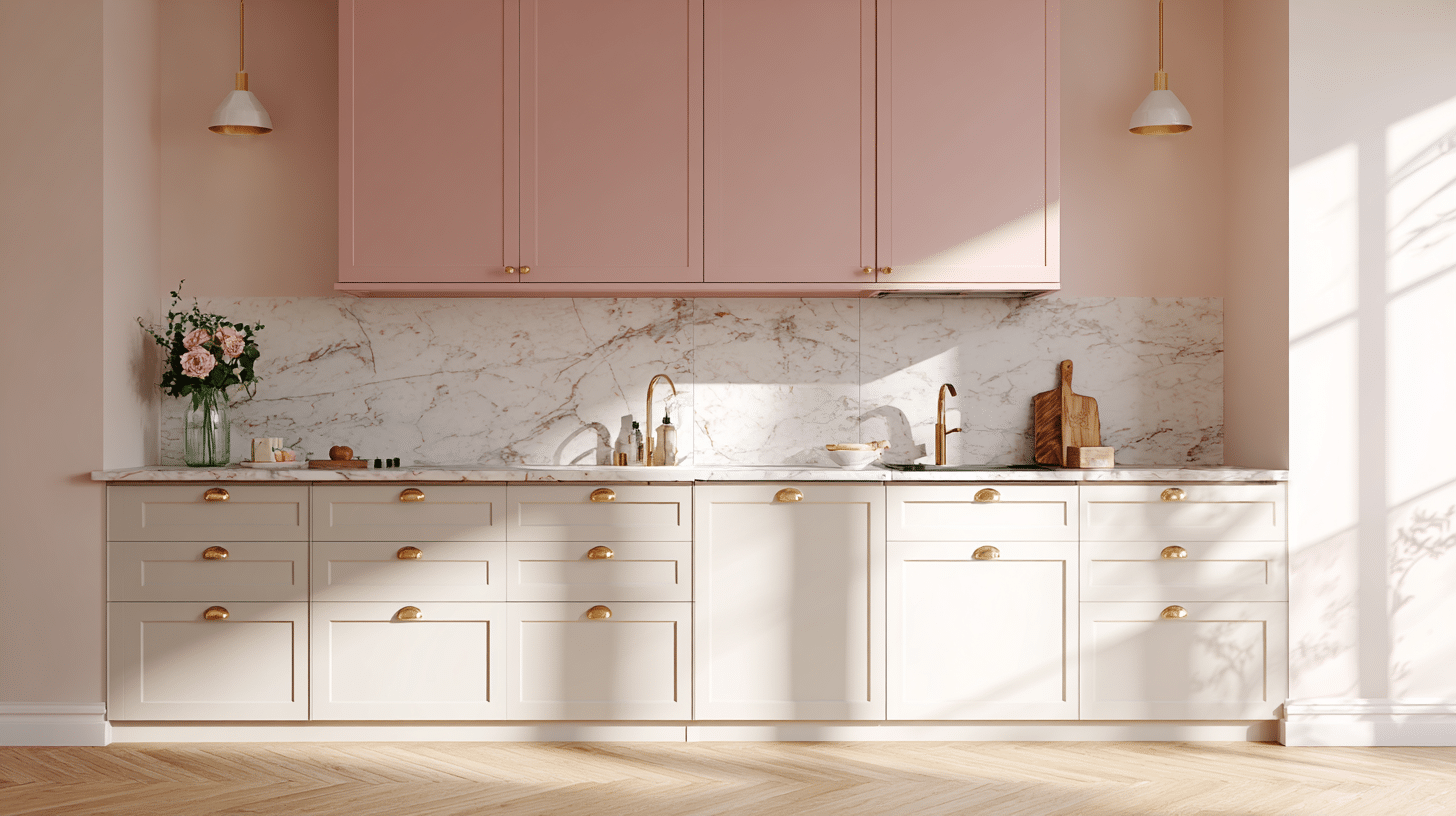
Pink in kitchens sounds risky, but soft, dusty pink actually works.
It’s subtle and sophisticated when paired with white. This is for people who want color but nothing too loud. The pink reads more neutral than you’d expect, especially in natural light.
Pair it with brass or matte black hardware to complete the look.
24. Dark Gray Lowers with Oak Uppers
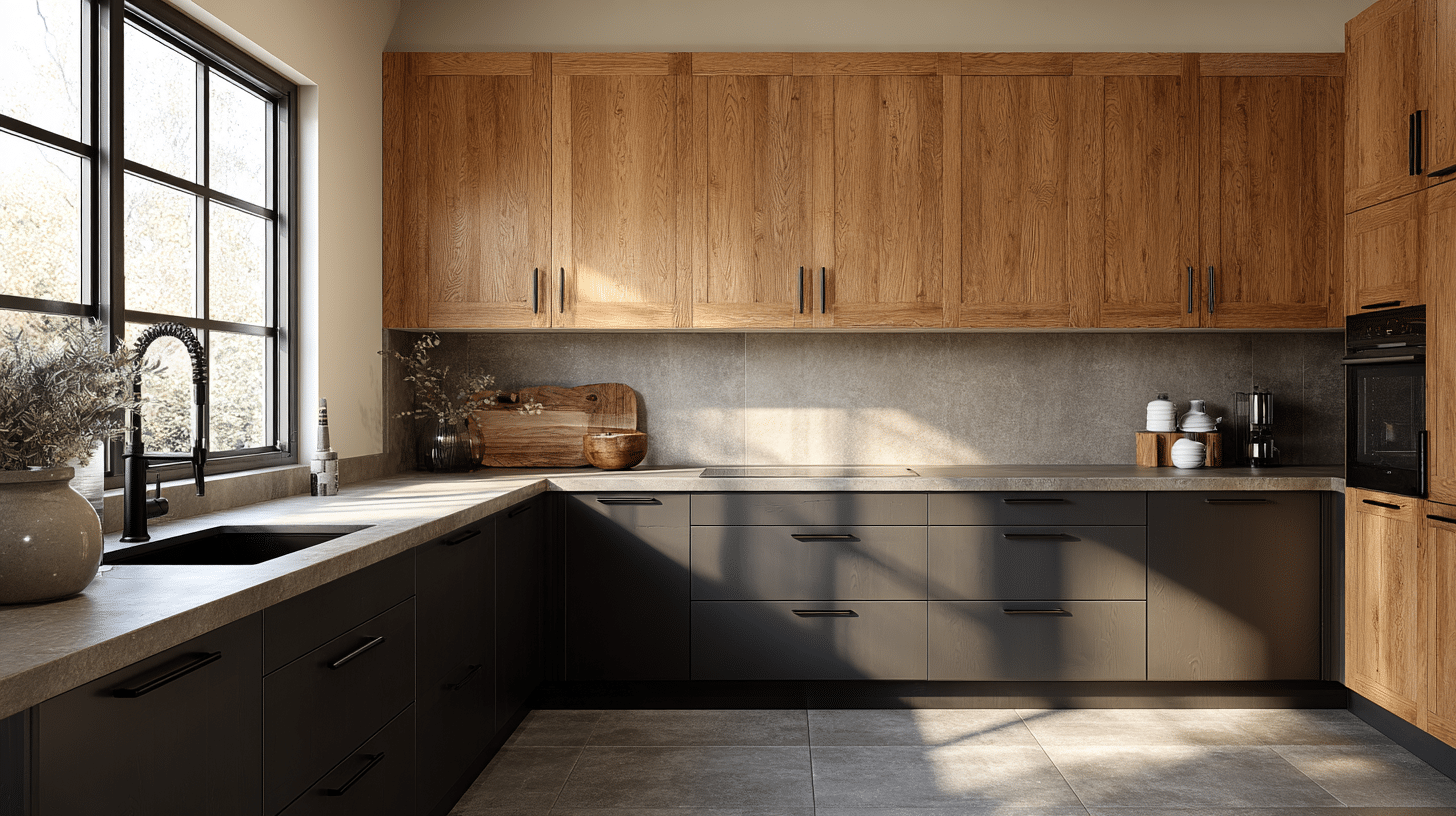
Oak on top brings warmth and texture while dark gray below keeps things grounded. The natural wood grain against flat paint creates a nice visual contrast.
It’s modern but not cold. This setup works well if you’re trying to bridge traditional and contemporary styles.
25. Soft Green Uppers with Dark Wood Lowers
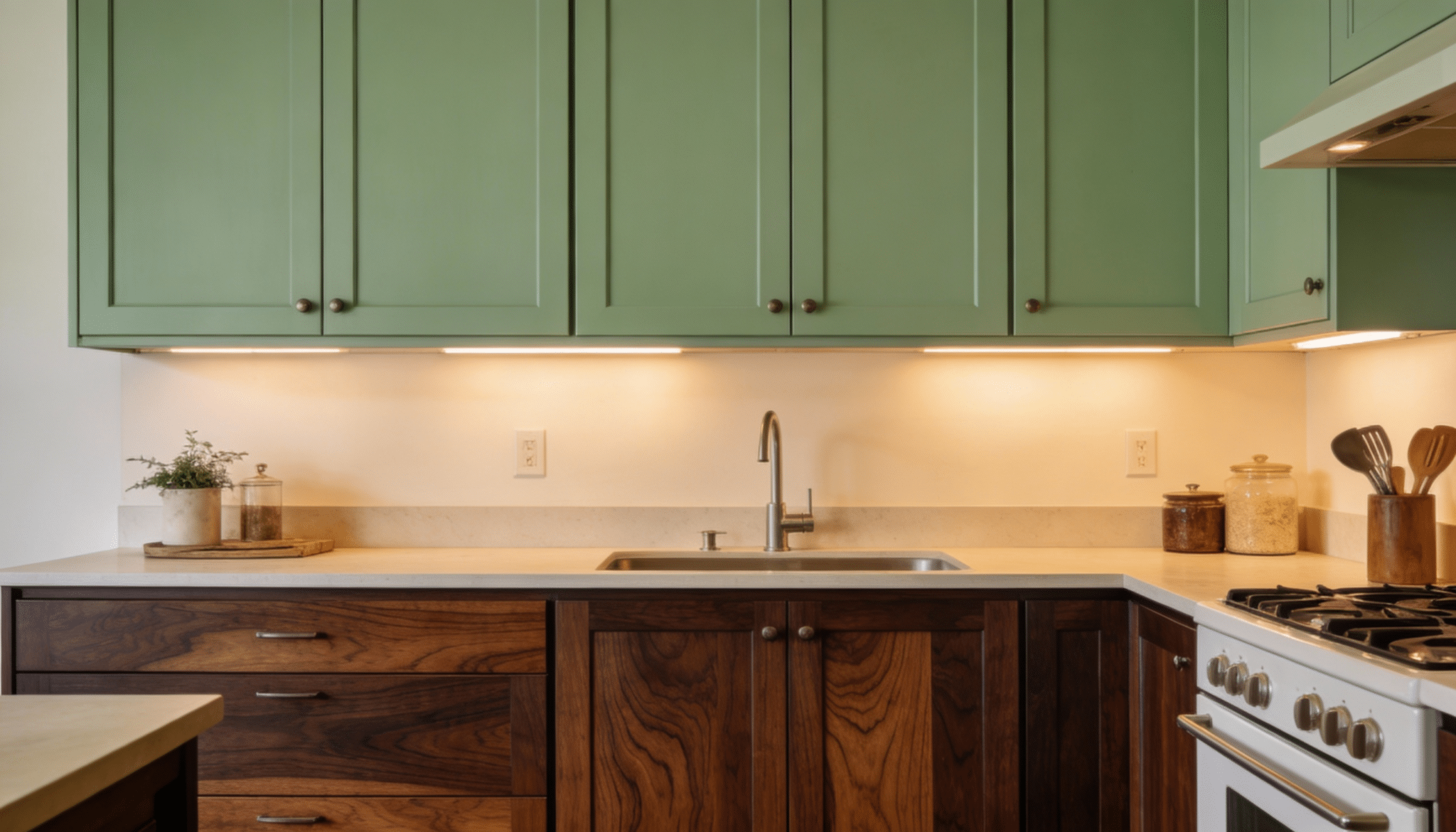
This pairing blends dark color with natural texture.
It works well in low-light spaces and creates a relaxed, easygoing look without feeling heavy.
Painted vs. Stained Cabinets
Deciding between paint and stain affects how your cabinets look and how much work they need over time.
Here’s what you need to know.
| Feature | Painted Cabinets | Stained Cabinets |
|---|---|---|
| Color options | Any color you want | Limited to wood tones |
| Wood grain | Covers it completely | Shows the natural grain |
| Durability | Chips and scratches are more easily | Hides wear better |
| Maintenance | Needs touch-ups over time | Just needs occasional oiling |
| Cost | Usually cheaper upfront | More expensive for quality wood |
| Style flexibility | Works in any kitchen style | Leans traditional or rustic |
| Refinishing | Can repaint when you want a change | Harder to change once stained |
Cabinet Cleaning and Maintenance Tips
Different finishes need different care. What works on matte paint might ruin a glossy surface, and wood needs its own approach.
- Wipe after cooking: Cabinets near the stove collect grease fast, so use a damp microfiber cloth with mild dish soap.
- Catch spills early: Don’t let them sit and set into the finish.
- Skip abrasive scrubbers: They scratch painted surfaces and make them look worn over time.
- Dry everything completely: Water spots show up more on dark finishes.
- Use wood-specific cleaners: Regular dish soap strips moisture from wood. Oil wood cabinets every six months to keep them looking rich.
- Avoid polish on matte finishes: It leaves streaks and ruins the look.
- Clean hardware regularly: Handles collect oils from hands and need wiping too.
- Try baking soda paste for stubborn marks: Mix with water, rub gently, then wipe clean.
Taking care of two-tone kitchen cabinets doesn’t require fancy products.
Regular attention and knowing which cleaner matches which finish keeps everything looking good for years.
Bringing Your Two-Tone Kitchen to Life
You’ve seen the options, and now it’s decision time. 2 tone kitchen cabinets give you room to experiment without going overboard.
Pick colors that match how you actually use your kitchen, not just what looks good in photos.
Start with one bold choice and keep everything else simple.
Ready to make the switch?