Short curtains are often labeled a design mistake. Many people believe that if curtains don’t touch the floor, they instantly look wrong.
But is that always true?
If you’ve been wondering do short window drapes look wrong or trying to figure out how long curtains should be, the answer is not so simple.
In some spaces, short curtains can look clean and practical. In others, they may feel out of place.
The real difference comes down to where and how they are used.
Defining Short Window Drapes
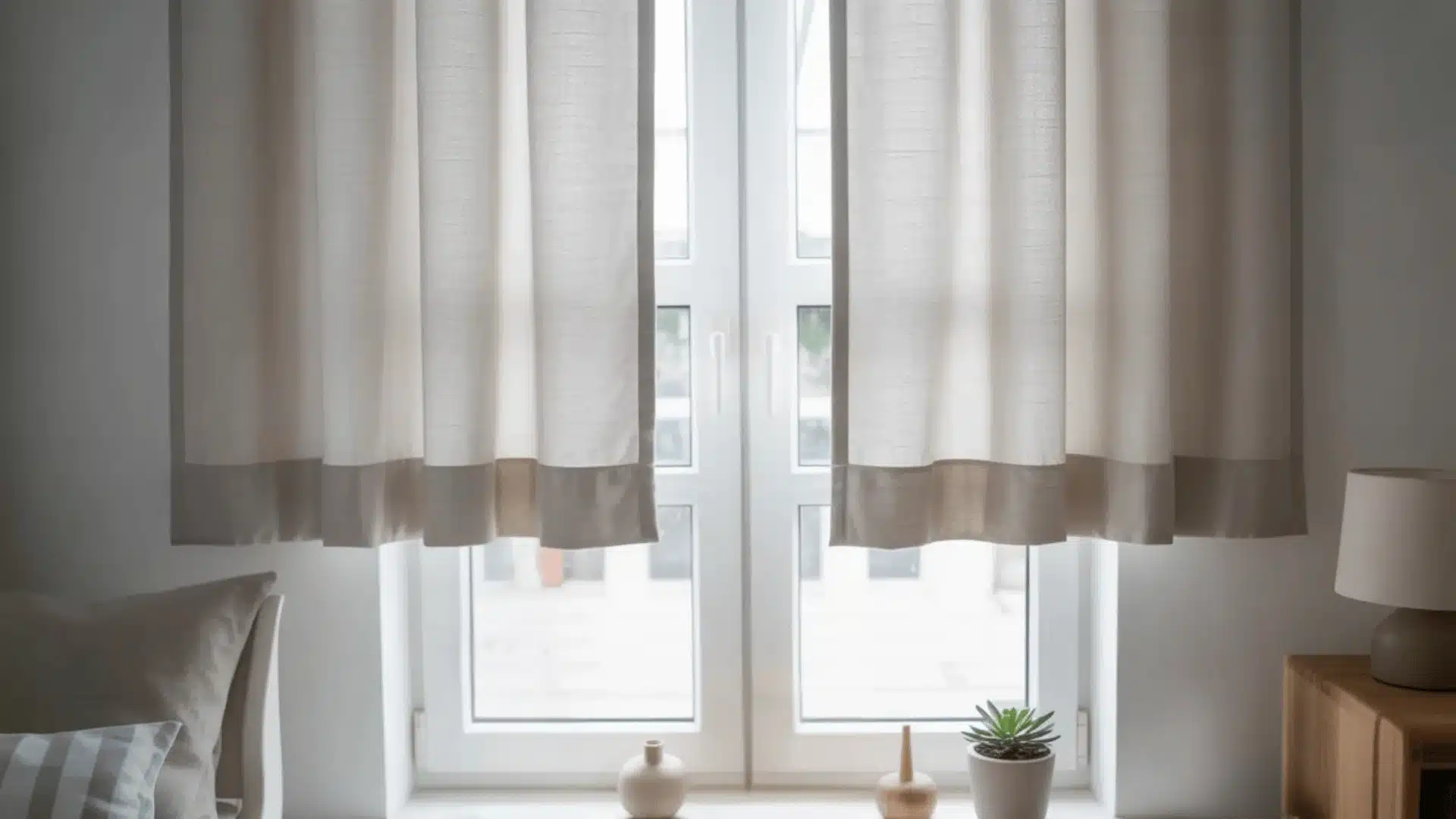
Short-window drapes are curtains that do not reach the floor. They typically stop at the windowsill or just below it.
These drapes are designed to match the window size rather than cover the full wall height.
They are often used in spaces where long curtains may feel unnecessary or get in the way.
You will commonly see two types: sill-length drapes that end at the windowsill and apron-length drapes that hang slightly below it.
Common types include:
- Sill-length drapes: End right at the windowsill
- Apron-length drapes: Hang a few inches below the sill
These styles focus more on function and fit, making them a practical choice for certain rooms.
Are Short Curtains Actually a Bad Choice?
No, short curtains are not always a bad choice.
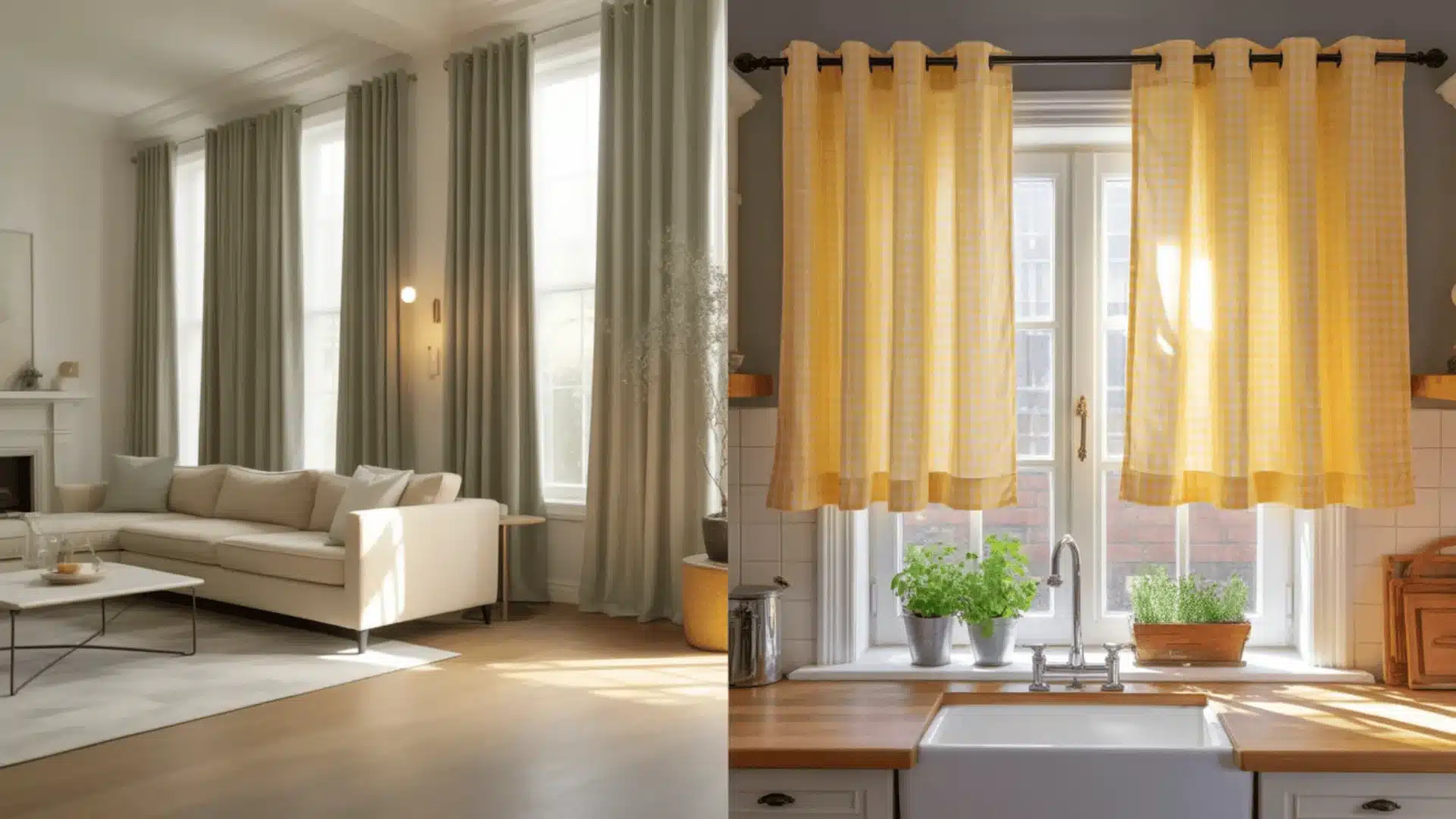
They can look out of place in spaces like living rooms and bedrooms, where full-length curtains are more common.
But in areas like kitchens or bathrooms, short curtains can work well and feel more practical.
So, are curtains supposed to touch the floor?
Not in every room. While longer curtains create a more complete look, short curtains can still look right when they fit the space.
Pros and Cons of Short Window Drapes
Short window curtains can be useful in many spaces, but they also have some drawbacks depending on where they are used.
| Pros | Cons |
|---|---|
| Easy to clean and maintain | Can look unfinished in larger rooms |
| Works well in kitchens and bathrooms | May make ceilings appear lower |
| Do not block furniture under windows | Do not create a strong vertical effect |
| Keep the space light and open | Need careful sizing to look planned |
The right choice depends on how the curtains fit the window and how the space is used.
Where to Use Short Curtains in the Home
Short curtains are not just a backup option. In some spaces, they work better than long ones.
Kitchens: Stay clear of spills, steam, and daily cooking mess, making cleaning easier
Bathrooms: Avoid moisture buildup and help curtains stay fresh for longer
Small windows: Match the window size and keep the space from feeling heavy
Windows with furniture below: Avoid bunching behind beds or sofas, and keep the layout neat
In these areas, shorter curtains feel more practical and easier to manage.
If you are still unsure which length suits your space better, comparing floating and floor-kiss drapes can help you pick the right look for each room.
When Short Curtains Can Make a Room Look Off
Short curtains do not work everywhere.
In living rooms, they can make walls look shorter, and the space feel unfinished. Bedrooms can also lose that calm, balanced feel when curtains stop too high.
Large windows are another challenge. Short curtains may look out of proportion and draw attention to the gap.
This happens because long curtains create a smooth vertical line. Short ones can break that flow if not used carefully.
How to Get Short Curtains Right
Short curtains can look good, but only when the length feels planned. The biggest mistake is choosing a length that falls in the middle. That usually makes the setup feel off.
To get it right:
- Keep the length aligned with the window or sill
- Avoid mid-wall stopping points
- Match the curtain size with the window size
- Keep the same style across the room
If you are still confused about how long the curtains should be in this space, there is no fixed answer.
The aim is to make the curtain length feel planned and well thought out.
Conclusion
Short curtains are not wrong. They just need to be used in the right places.
In spaces like kitchens and bathrooms, they make daily use easier. In living rooms and bedrooms, longer curtains often create a more complete look.
Instead of following one rule, focus on how the space is used.
When the curtain length matches your space, everything starts to feel more balanced.
Frequently Asked Questions
1. Do Short Curtains Look Outdated or Wrong?
Short curtains are not outdated. They only look wrong when used in the wrong space or without proper proportion.
2. Are Curtains Supposed to Touch the Floor in Every Room?
No, curtains do not need to touch the floor everywhere. It depends on the room, its use, and layout.
3. How Long Should Curtains be for Small Windows?
Curtains for small windows can be shorter, as long as the length looks balanced and suits the window size.
4. Where do Short Curtains Work Best?
Short curtains work best in kitchens, bathrooms, and windows with furniture below, where long curtains may get in the way.
5. What is the Biggest Mistake with Short Curtains?
The biggest mistake is choosing an awkward length that looks unplanned, leaving the curtains feeling incomplete rather than intentional.