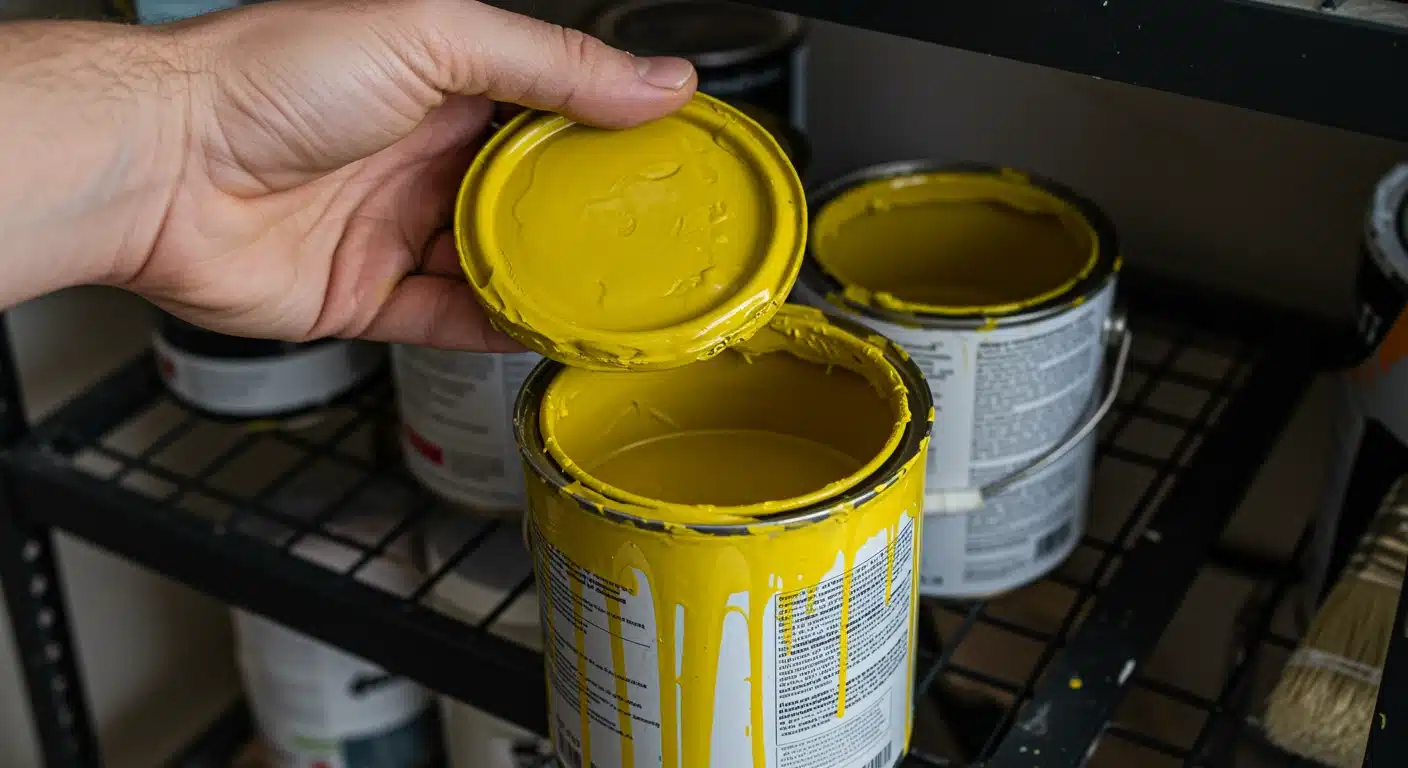
Old paint tins pile up in garages. Most people just assume they’re fine to use.
But that dried-up, separated mess in the can could cause more damage than you think.
Old paint peels more easily, sticks poorly, and may even contain harmful chemicals. There’s a simple way to check if your paint is still safe to use.
In this blog, you’ll find out the dangers of using old paint, symptoms of paint sickness, and more.
The Two Types of Old Paint Risks
Not all old paint causes the same problem. Some tins will just give you a bad paint job.
Others can actually make you sick. Before cracking open that leftover can, it helps to know which type of risk you’re dealing with.
Type 1: Performance Failure
This is the paint that’s expired but not toxic. It won’t cover walls evenly, and it may dry in patches or peel off within weeks.
Colour matching becomes a nightmare, especially if the walls already have paint.
It’s frustrating and wasteful, but it won’t put anyone’s health at risk.
Type 2: Contamination or Hazardous Content
This is the one to genuinely worry about.
Old paint can harbour bacteria, mould, or harmful chemical compounds, especially paints made before the 1980s, which often contained lead.
Using this type can expose the whole household to serious health risks. This is the category that deserves real attention.
If there’s an old, open paint tin or even an unopened one sitting in the shed or garage right now, don’t just assume it’s fine.
Take a moment to check the label, the smell, and the consistency. A little caution today can save a lot of trouble later.
Health Risks: Dangers of Using Old Paint
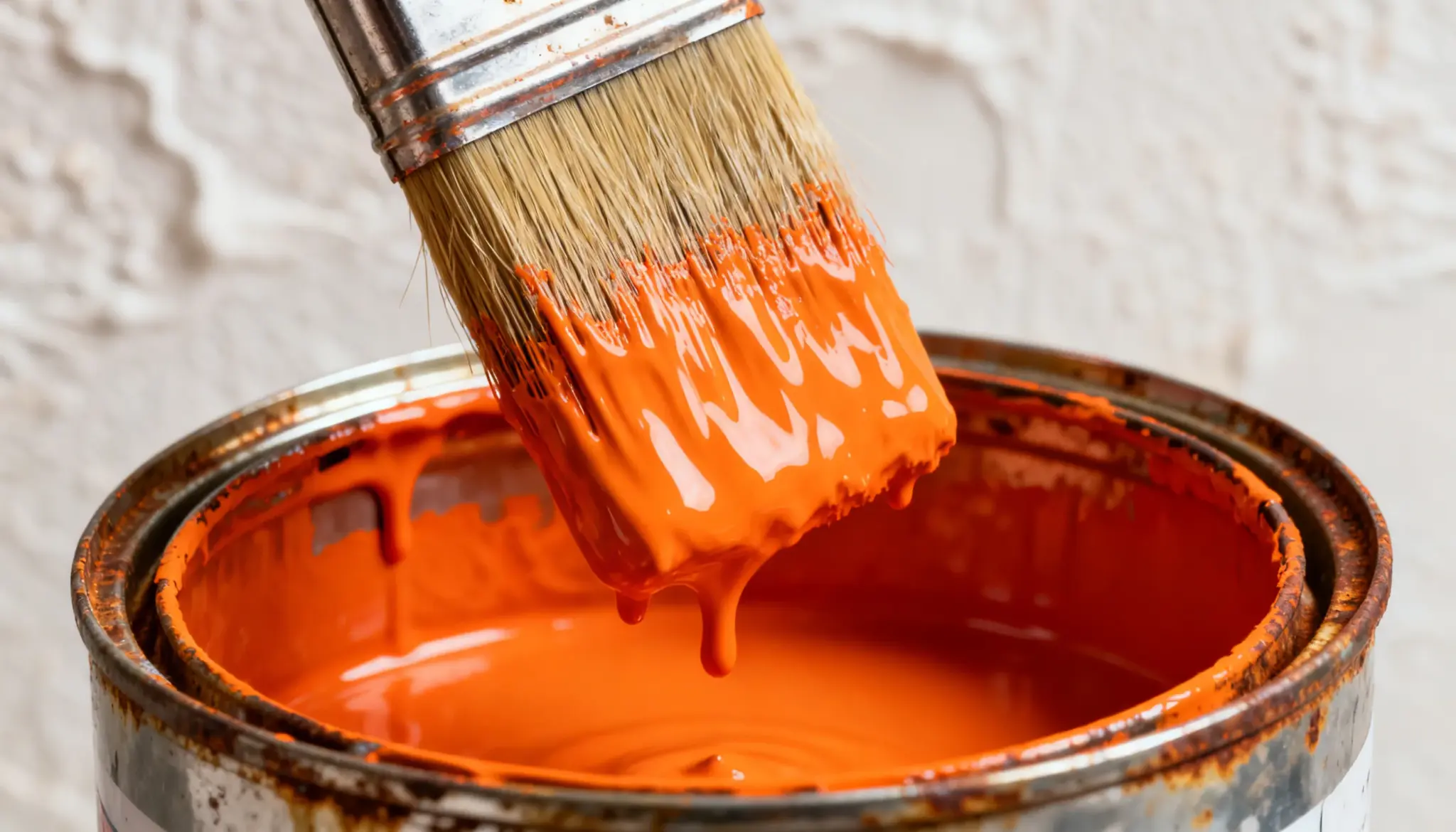
Some paint risks hide in the smell, the texture, or even the history of the tin itself.
The following is what old paint can actually do to a person’s health.
1. Bacterial Contamination and VOC Exposure
Old paint can grow bacteria inside the tin over time.
This releases volatile organic compounds (VOCs) into the air. Breathing these in, even briefly, can cause headaches, dizziness, and throat irritation.
The older the paint, the worse the VOC levels tend to get.
2. Mould-Contaminated Paint
When water-based paint sits too long, mould starts to grow inside the can.
Applying mould-contaminated paint spreads spores directly onto walls.
This can trigger respiratory issues, allergic reactions, and long-term breathing problems, especially for children or anyone with asthma.
If the paint smells sour or has visible dark spots floating on top, that’s mould. Don’t stir it and carry on, throw it out straight away.
3. Lead Paint: The Pre-1978 Issue
Homes painted before 1978 are likely to have used lead-based paint.
Lead is a poison that is dangerous to you and your family. It can harm a child’s brain and cause learning and behavior problems. It can even harm unborn babies. [Source: Public Health]
Sanding or scraping this paint makes it far more dangerous.
4. Mercury in Pre-1990 Latex Paint
Many latex paints made before 1990 contained mercury as a preservative.
Mercury vapour is harmful when inhaled during application. Long-term exposure can affect the kidneys, brain, and nervous system.
This is a serious risk that many homeowners don’t even know exists.
If the house hasn’t been repainted since the late 80s, it’s worth checking with a professional before touching those walls. It costs very little to check, and it could matter a lot.
5. Chemical Instability
Paint is made of several chemical compounds that break down over time. As they degrade, they can form new, and sometimes harmful substances inside the can.
Using chemically unstable paint can cause skin, eye, and respiratory irritation during and after application.
6. Rancidity Effects
Like food that’s gone bad, old paint can turn rancid.
This happens when the oils and binders inside the paint oxidise over time. Rancid paint emits unpleasant, harmful fumes during application.
It can cause nausea, eye watering, and in some cases, prolonged headaches.
7. Allergic Sensitization
Repeated exposure to degraded paint chemicals can make a person allergic over time. This is called sensitization.
Once sensitized, even a small amount of exposure can trigger a strong reaction, including skin rashes, breathing difficulties, and watery eyes
It gets worse with every future contact.
If painting a room leaves anyone sneezing, coughing, or with itchy skin, don’t brush it off. That could be an early sign of sensitization worth taking seriously.
8. Post-Application Off-Gassing
Off-gassing happens after the paint is already on the wall. The chemicals continue to be released into the air for days, sometimes weeks, after application.
Sleeping or spending long hours in a freshly painted room can mean continuous exposure to these fumes, leading to fatigue, headaches, and poor sleep quality.
What are the Symptoms of Paint Sickness?
Paint sickness doesn’t always hit straight away. Sometimes symptoms show up during the job. Other times, they creep in hours later.
- Headaches and dizziness: One of the first signs of VOC exposure. If the head starts pounding mid-paint job, step outside immediately.
- Nausea and vomiting: A sign that fumes are being absorbed into the body at a harmful level.
- Eye, nose, and throat irritation: Burning or watering eyes and a scratchy throat are common early warning signs.
- Skin rashes or redness: Direct contact with contaminated paint can cause irritation within minutes.
- Fatigue and confusion: Prolonged exposure in a poorly ventilated space can cause these less obvious but serious symptoms.
If several of these symptoms appear together, especially in an enclosed space, stop immediately, get fresh air, and seek medical advice. Don’t wait to see if it passes on its own.
The Performance Risks
Old paint doesn’t always look bad in the tin. But once it goes on the wall, the problems show up fast.
These are the most common performance issues that come with using paint that’s past its best.
Poor Adhesion
Old paint loses its ability to stick properly to surfaces. The binders break down over time, leaving the paint unable to grip the wall.
This leads to peeling, flaking, and bubbling, sometimes within just a few weeks of application. It’s a frustrating result after all that effort.
If the paint is peeling at the edges of the tin lid or has a rubbery skin on top, that’s a clear sign the binders have already broken down. It won’t stick well, no matter how many coats go on.
Uneven Coverage
Expired paint loses its consistency. The pigments and liquids separate over time, making it nearly impossible to get a smooth, even finish.
Some patches look thin and patchy, while others look thick and clumpy. The result is a wall that looks worse than it did before painting.
Trapped Moisture
Old paint, especially water-based paint, can trap moisture between the wall and the paint film.
This happens because the paint no longer forms a proper seal.
Over time, trapped moisture leads to bubbling, damp patches, and even mould growth behind the paint surface, and that’s a costly fix.
Bubbling paint on a wall isn’t just an eyesore. It often means moisture is already trapped underneath. Painting over it won’t solve the problem, it usually makes it worse.
Colour Mismatch
Paint colours shift as they age.
The pigments inside the tin change over time, so what looked like a perfect match on the label may look completely different once it dries on the wall.
This is a real problem when touching up existing paintwork; the difference can be very noticeable.
Checklist: How to Assess Your Risk Before Using It
Before opening that old tin, take a few minutes to check what you’re actually dealing with.
A quick assessment can save a lot of trouble, and in some cases, protect a person’s health.
- Paint made before 1978: Test for lead before touching it. Never sand or scrape without proper protection; lead dust is seriously harmful.
- A latex paint made before 1990: Check the label for a manufacturer’s date. If it’s unclear, treat it as potentially hazardous and handle it carefully.
- Less than 2 years old, sealed, and stored indoors: If the tin is less than 2 years old, properly sealed, and stored indoors, it’s almost certainly still good to use. Give it a good stir and do a quick test before committing to a full wall.
- Sour, rotten, or mouldy smell: Don’t use it. Bacterial or mould contamination is a real risk here; no amount of stirring will fix that.
- Visible mould spots inside the tin: Dispose of it properly. Stirring it and pressing on is not worth the risk.
- Looks fine, smells normal, but is 3–5 years old: If the paint looks fine, smells normal, and is 3-5 years old, run a test patch first. It’s most likely a performance issue, poor coverage, or uneven drying, rather than a health risk.
How to Safely Dispose of Bad Paint?
Pouring old paint down the drain or tossing it in the regular bin is not the right move.
It can contaminate water supplies and harm the environment.
Most local councils offer a hazardous waste collection service, which is the safest option. Many recycling centres also accept old paint tins. Some paint retailers even take them back.
For latex paint that’s nearly dried out, leaving the lid off in a well-ventilated outdoor space speeds up the drying process.
Once fully dry, it can go in the regular bin in most areas.
Before throwing anything out, check the local council’s website for specific disposal guidelines. Rules vary by area, and getting it wrong can result in a fine.
If You do Use Questionable Paint: Minimum Safety Steps
If you want to try a hit-or-miss with your paint, then at least take these basic steps to stay safe:
- Open all windows and doors before starting. Keep the space well-ventilated throughout.
- Wear an N95 mask, not just a basic dust mask, especially in enclosed spaces.
- Put on gloves and avoid letting the paint sit on bare skin for long.
- Keep children and pets out of the room during application and for at least 48 hours after.
- Don’t eat, drink, or touch your face while painting.
- Watch for headaches, dizziness, or nausea. Step outside immediately if any of these show up.
- Dispose of leftover paint responsibly; don’t pour it down the drain.
Wrap Up
Old paint is one of those things that’s easy to overlook, but there are dangers of using old paint, from peeling walls to serious health concerns.
But little common knowledge goes a long way. Check the date. Notice the smell. Look for mould.
Check whether it was made before 1978 or 1990. These are simple steps that take minutes but can prevent weeks of regret.
Got an old tin sitting around right now? Go check it before the next painting project. And if there’s any doubt at all, it’s not worth it.
Frequently Asked Questions (FAQs)
1. How Long Does it Take for Paint Fumes to Harm You?
Symptoms can start within minutes of exposure in a poorly ventilated space.
2. How Common is Lead Poisoning from Paint?
It’s more common than most people think, especially in homes built before 1978.
3. How to Flush out Lead from the Body?
There’s no home remedy. A doctor must assess lead levels and recommend the right treatment.