Want furniture that makes a bold statement? I get it.
You’re tired of seeing the same boring designs everywhere. You want something real.
Something with character. That’s where brutalist furniture comes in.
This style doesn’t try to be pretty. It celebrates raw materials like concrete, metal, and wood in their natural state.
Just honest design that stands out.
The Historical Context
Brutalist interior style started in the 1950s.
Architects wanted to break away from fancy buildings.
They focused on showing materials as they really are. Concrete became the star of the show. No paint. No coverings. Just raw texture.
The name comes from the French term “béton brut.” It means raw concrete.
How Architecture Influenced Furniture
Buildings inspired the furniture inside them. Designers wanted pieces that matched the walls.
- Exposed materials with visible textures
- Heavy, solid construction
- Geometric shapes and clean lines
- Function comes first, always
Furniture became an extension of the walls. It had to feel just as honest.
By the 1960s and 1970s, this thinking filled homes everywhere. Designers created pieces that felt like mini structures.
Brutalist Furniture and its Characteristics
This furniture doesn’t hide anything. You see exactly what it’s made from. The look is bold and heavy. Pieces feel like they could last a hundred years.
Key characteristics:
- Raw materials show through: Wood grain stays visible. Metal keeps its natural finish. Concrete stays textured.
- Chunky proportions: Nothing looks delicate here. Thick legs. Wide seats. Solid frames.
- Minimal decoration: No carvings. No ornaments.
- Geometric forms: Squares, rectangles, and blocks dominate. Curves are rare.
- Exposed joinery: Bolts and screws stay visible. Joints show openly. They become part of the design instead of hiding.
- Monochromatic colors: Grays, blacks, browns, and natural tones. The palette stays earthy.
The furniture feels grounded. It has weight. It commands attention in a room.
Some pieces look almost unfinished. But that’s the point. The style celebrates the making process.
Popular Brutalist Furniture Types
These pieces define the style in powerful ways. Each one brings its own character to your space while maintaining that raw, honest feel.
Tables
Tables anchor your room and set the mood. They need weight, presence, and honest construction that you can see and feel.
1. Heavy Dining Tables
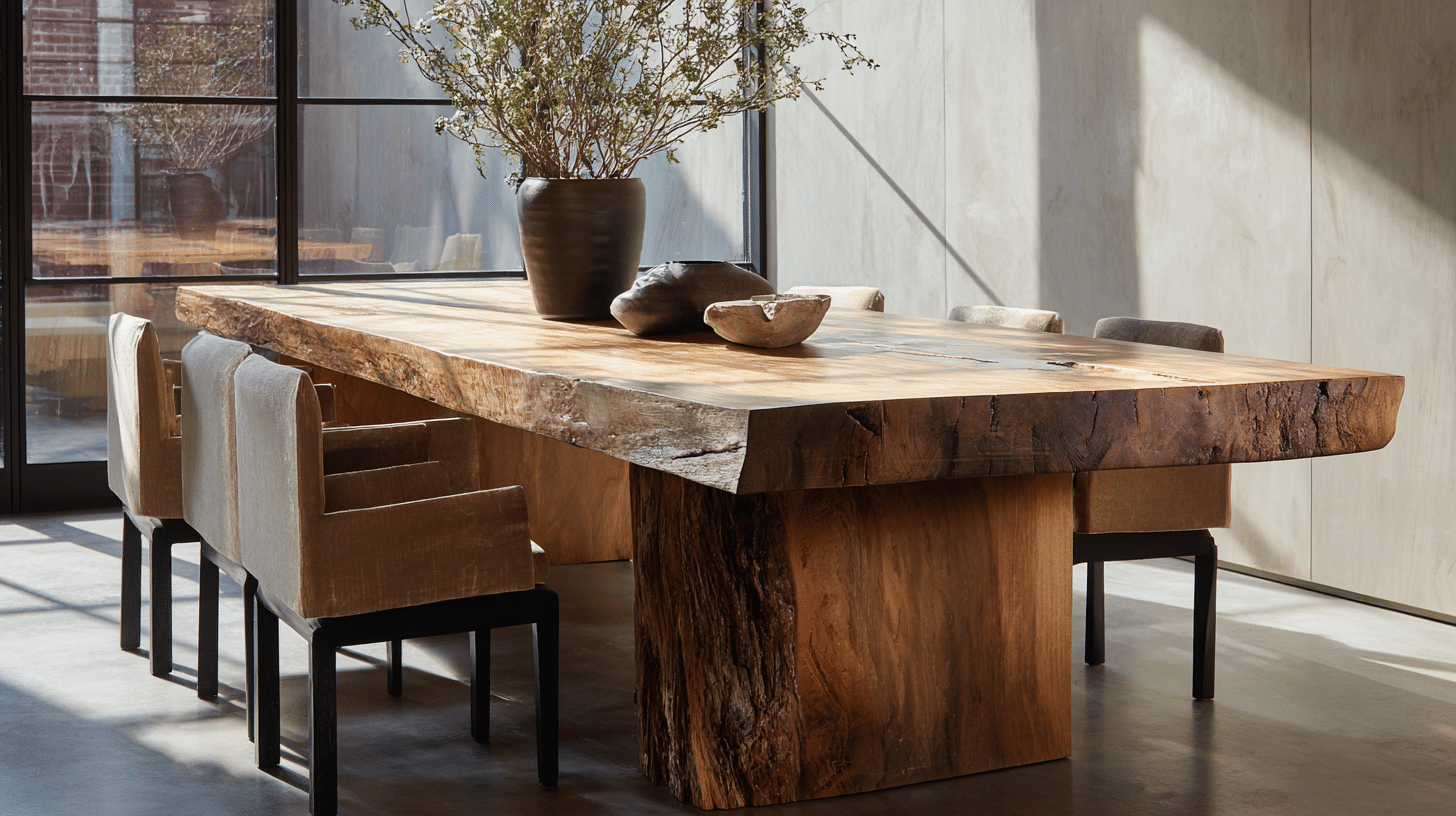
Your dining table sets the tone for the entire room. Thick wood tops rest on bases built to last generations.
Concrete pedestals or steel frames create an immediate impact. They seat six to eight people while weighing several hundred pounds.
Natural grain shows through without glossy finishes. You won’t find delicate legs or wobbly.
2. Solid Coffee Tables
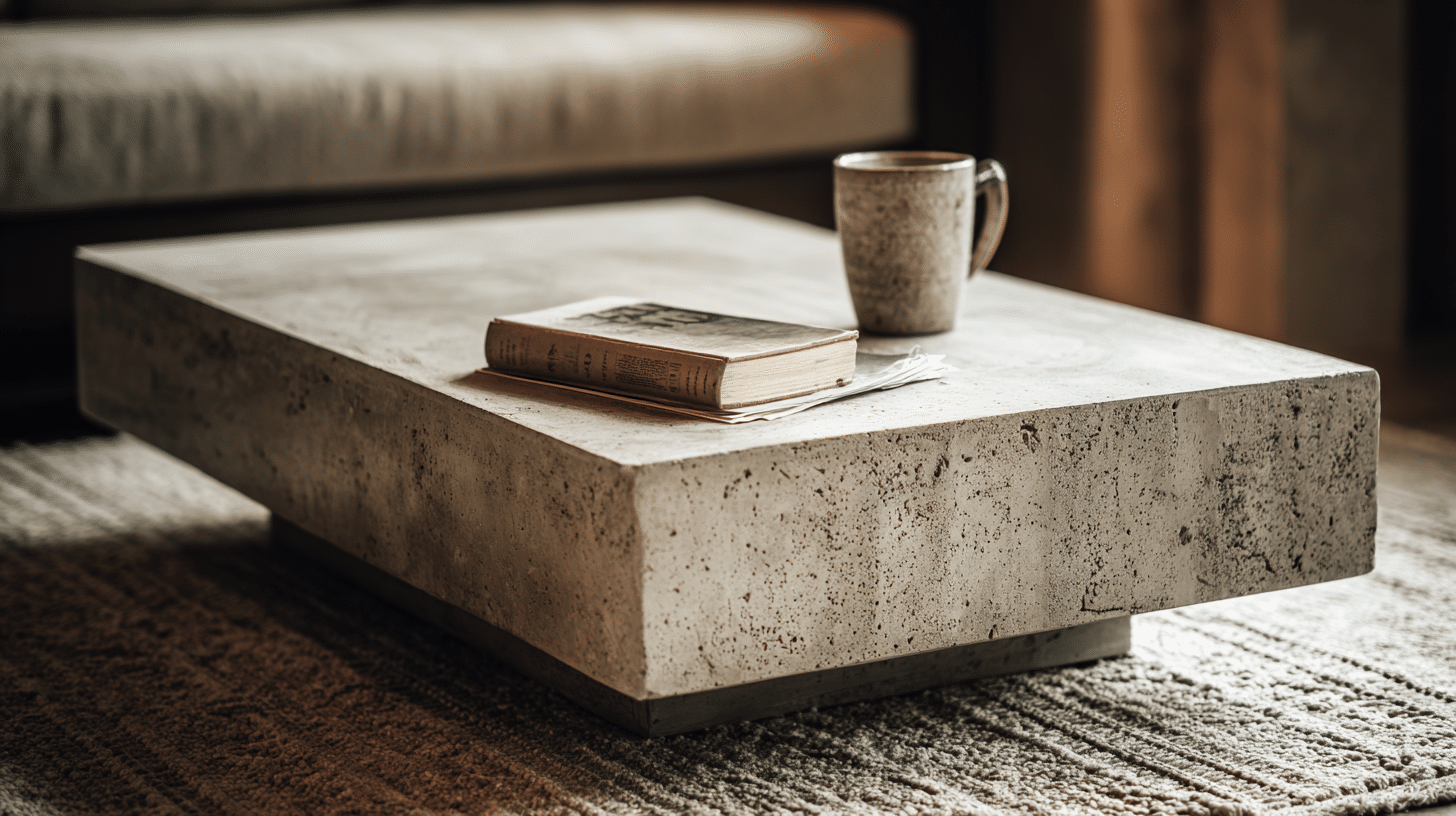
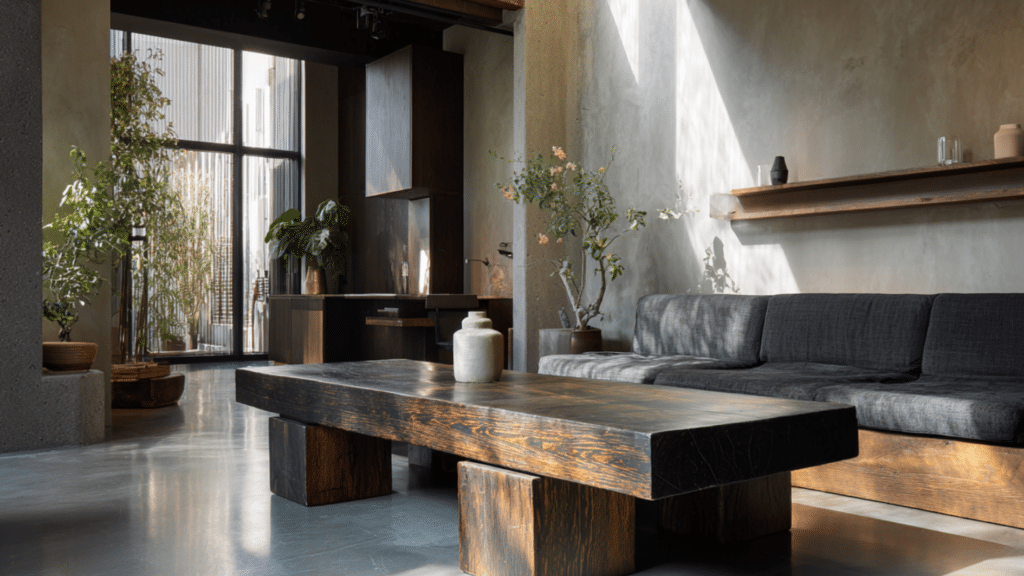
Think low and impossibly sturdy. Single concrete blocks form bases.
Thick wooden slabs create surfaces with visible grain patterns. Metal beams support stone tops.
When guests walk in, this piece commands attention first. It becomes a conversation starter without even trying.
3. Simple Shapes with Strong Bases
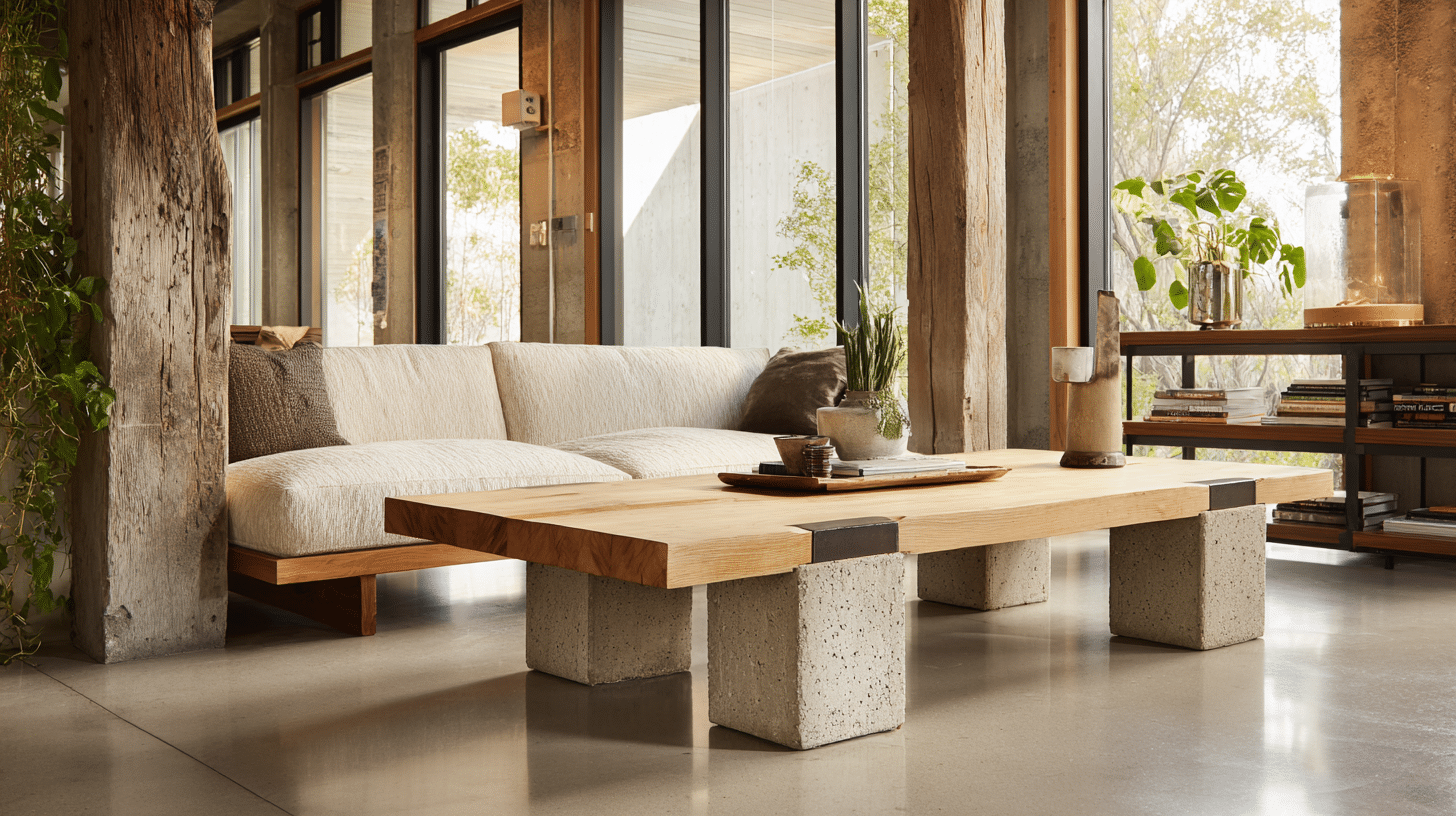
Rectangles and squares dominate. Bases stay wide for stability.
Thick posts serve as legs. Steel columns provide strength. Cross beams add visual interest while doing structural work.
Every element serves a purpose. Nothing exists just for decoration.
Seating
Seating in this style prioritizes form and structure. Comfort exists, but the framework always shows through clearly and proudly.
4. Block Chairs and Benches

These chairs start as geometric forms. Wood blocks stack to create a structure. Metal pieces are welded at sharp angles.
The frame never hides. You see exactly how the chair works. Some benches use single thick planks on solid ends.
They look like sculptures you can actually sit on.
5. Low Profile Sofas
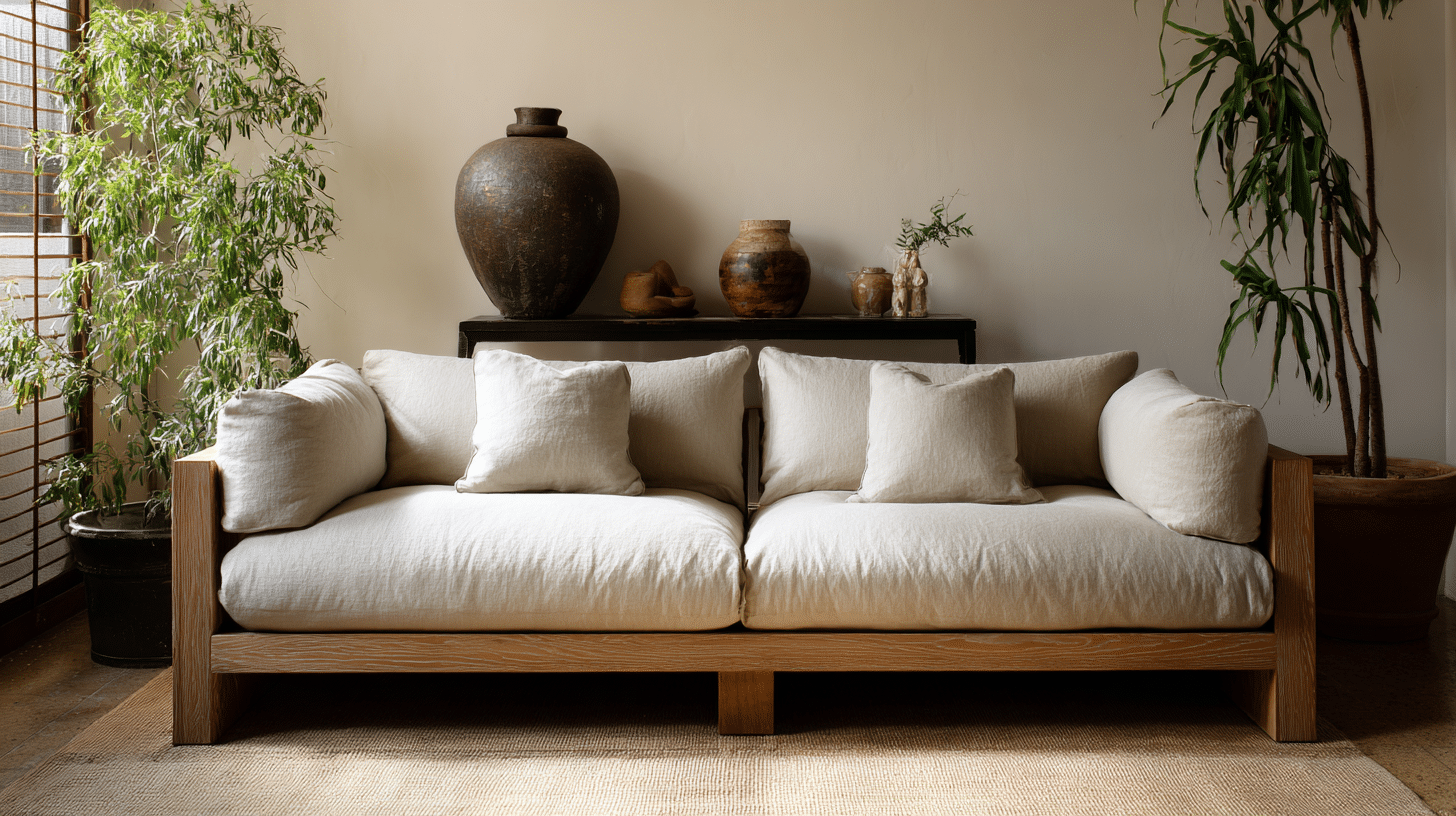
These sit closer to the floor. Wide arms frame the seating.
Cushions stay firm, not fluffy. You see the sofa’s construction from every angle.
No fabric skirts hide anything. The bones remain visible and honest. This creates a grounded feeling in your living space.
6. Focus on Structure Over Softness
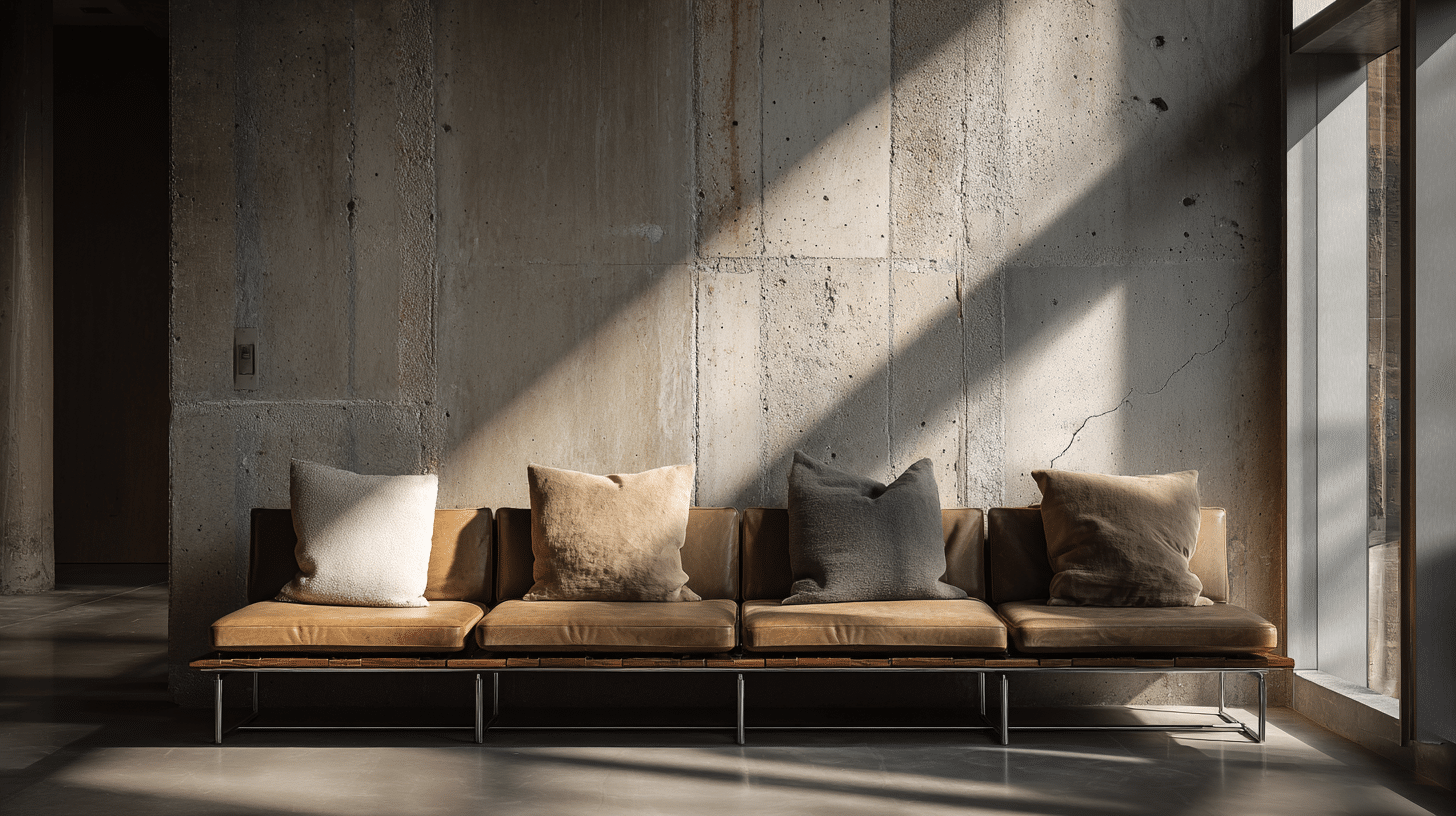
Every piece shows how it’s built. Metal supports stay exposed. Wooden frames display visible joinery. Comfort matters, but doesn’t lead design.
The framework comes first. Padding adds just enough softness for use. You appreciate the engineering as much as the sitting.
7. Solid Slab Stools Used as Seating or Side Pieces
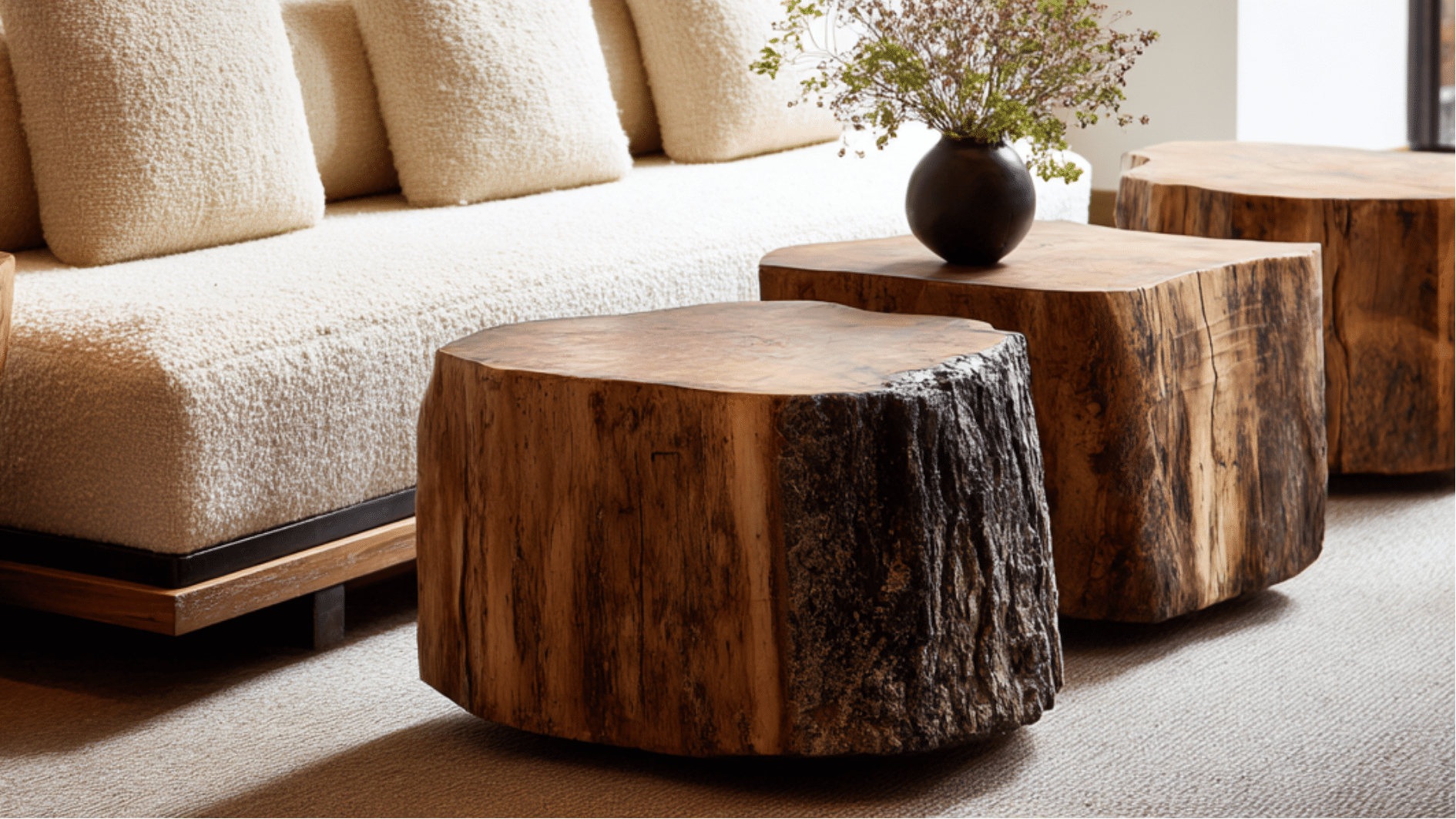
A chunk of wood becomes a seat. No legs required. Tree trunk sections work after smoothing.
Use them as extra seating or side tables. The versatility surprises people. Move them around as needs change.
Their weight keeps them stable wherever you place them.
Storage
Storage units act like architectural elements in your room. They bring structure and permanence, not just places to hide your stuff.
8. Cabinet Units with Thick Panels
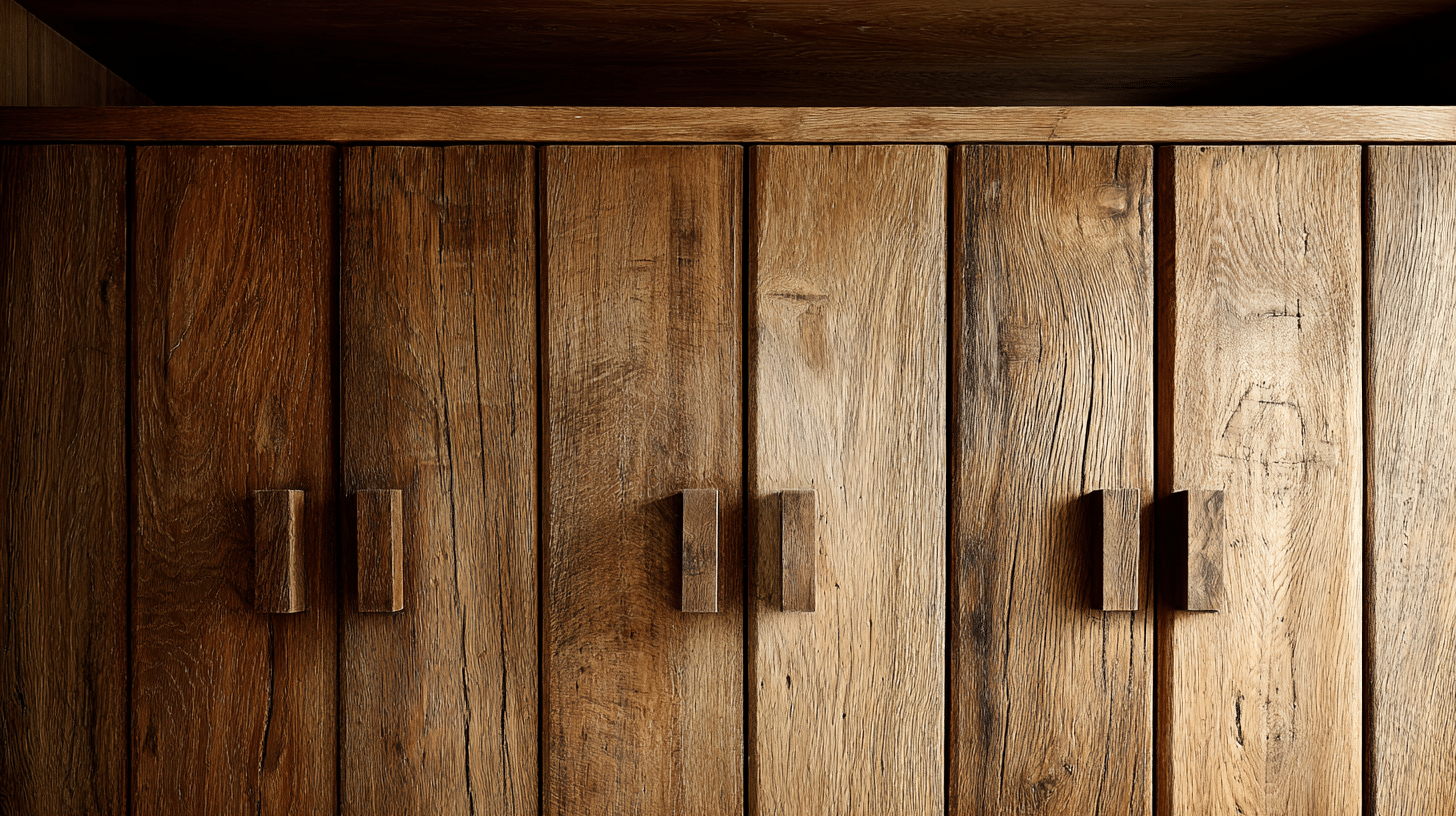
Doors measure two inches thick. Panel fronts stay flat without details.
Wood grain becomes the only decoration. Internal shelves use substantial material.
These pieces feel permanent, like they’re part of your walls. Your grandchildren might inherit them someday.
9. Open Shelving with Weight
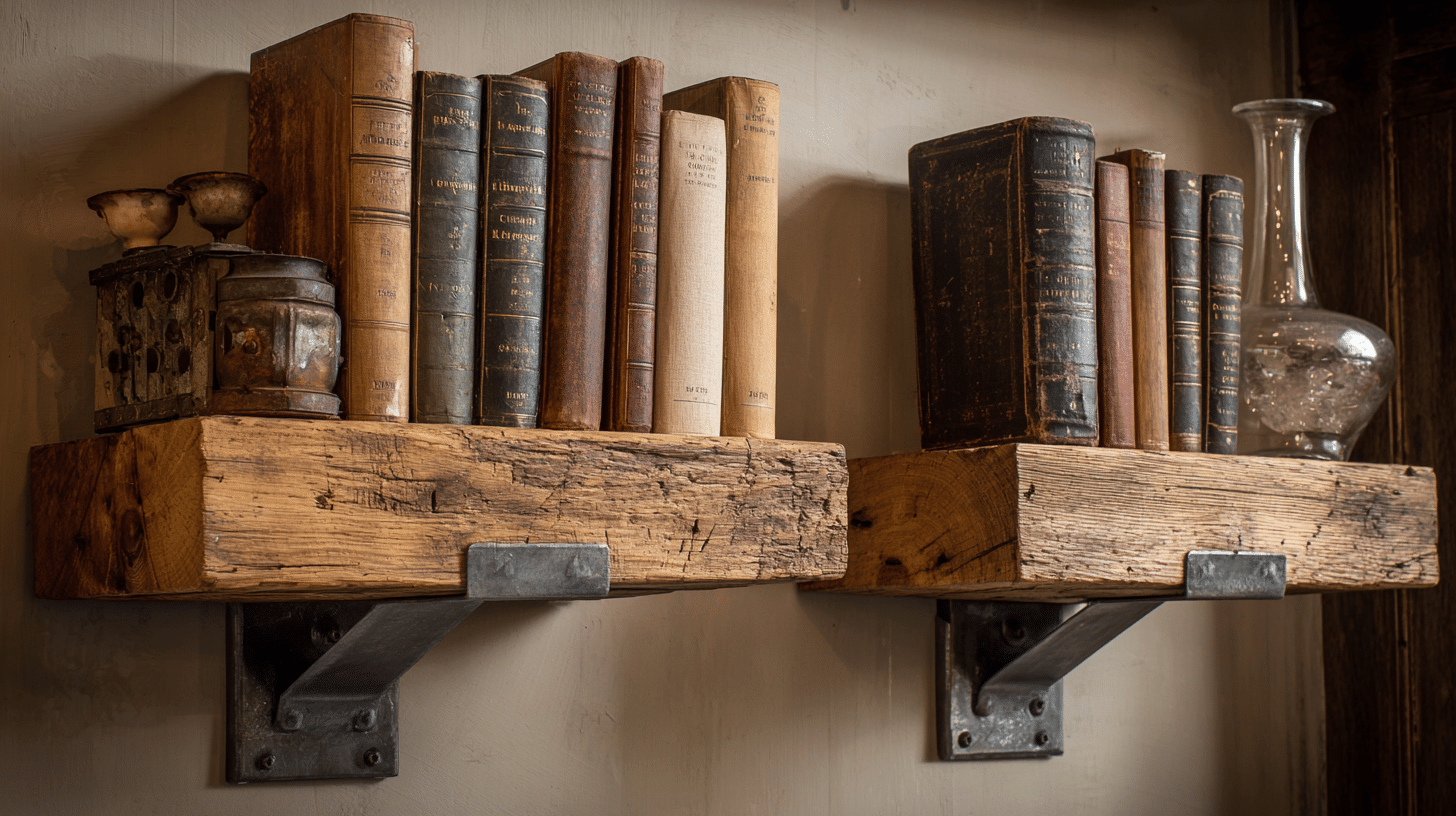
These shelves use thick planks that span wide spaces. Solid wood handles serious weight.
Metal brackets add industrial touches. Load them with heavy books and objects. The thickness reassures you every time.
You never worry about sagging or breaking.
10. Minimal Hardware
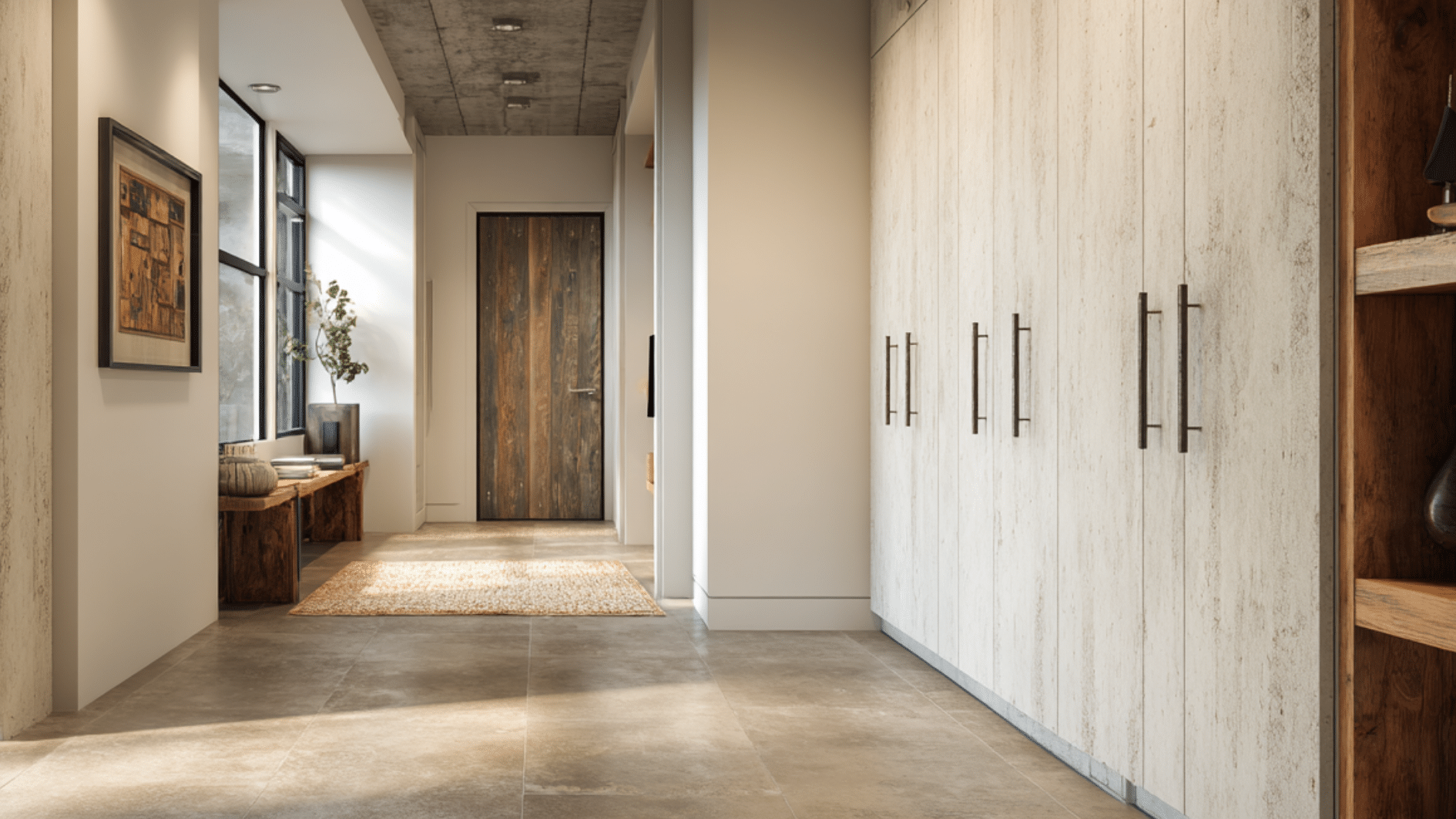
Many doors have no handles. Push them to open. When hardware appears, it’s simple metal pulls.
Nothing decorative shows up. Hinges might display or hide. Clean lines rule every decision. The panels themselves become the focal point.
Lighting Fixtures
Lighting follows furniture rules in this aesthetic. Each piece becomes a sculptural object that happens to provide light.
11. Table and Floor Lamps with Thick Bases
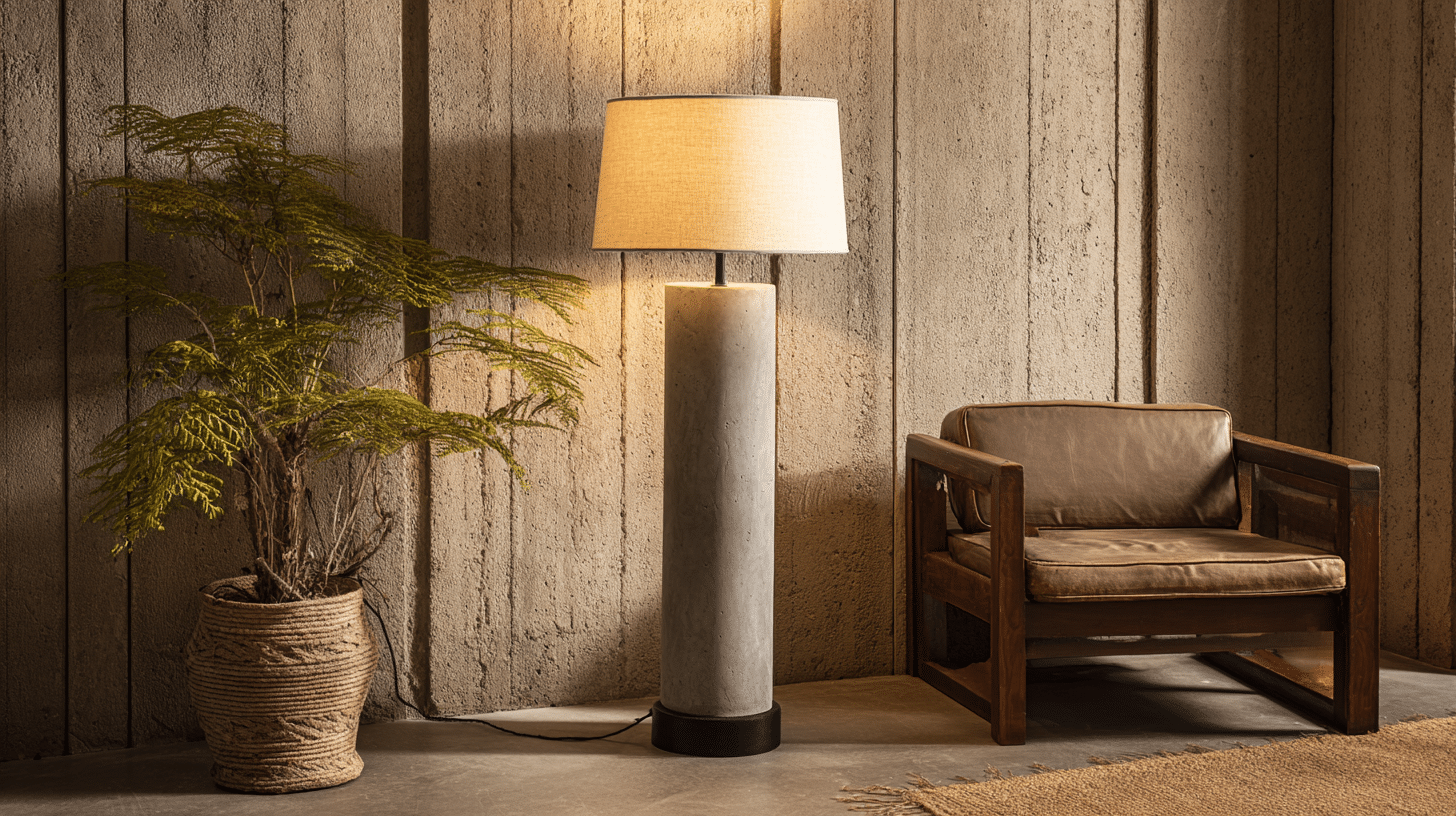
Bases use concrete, stone, or thick metal. They prevent wobbling completely.
Shades stay simple as cylinders or cones. Metal or paper works best. Even switched off, these lamps function as sculptural objects. They add visual weight to your space.
12. Built-In Seating that Follows the Room Lines
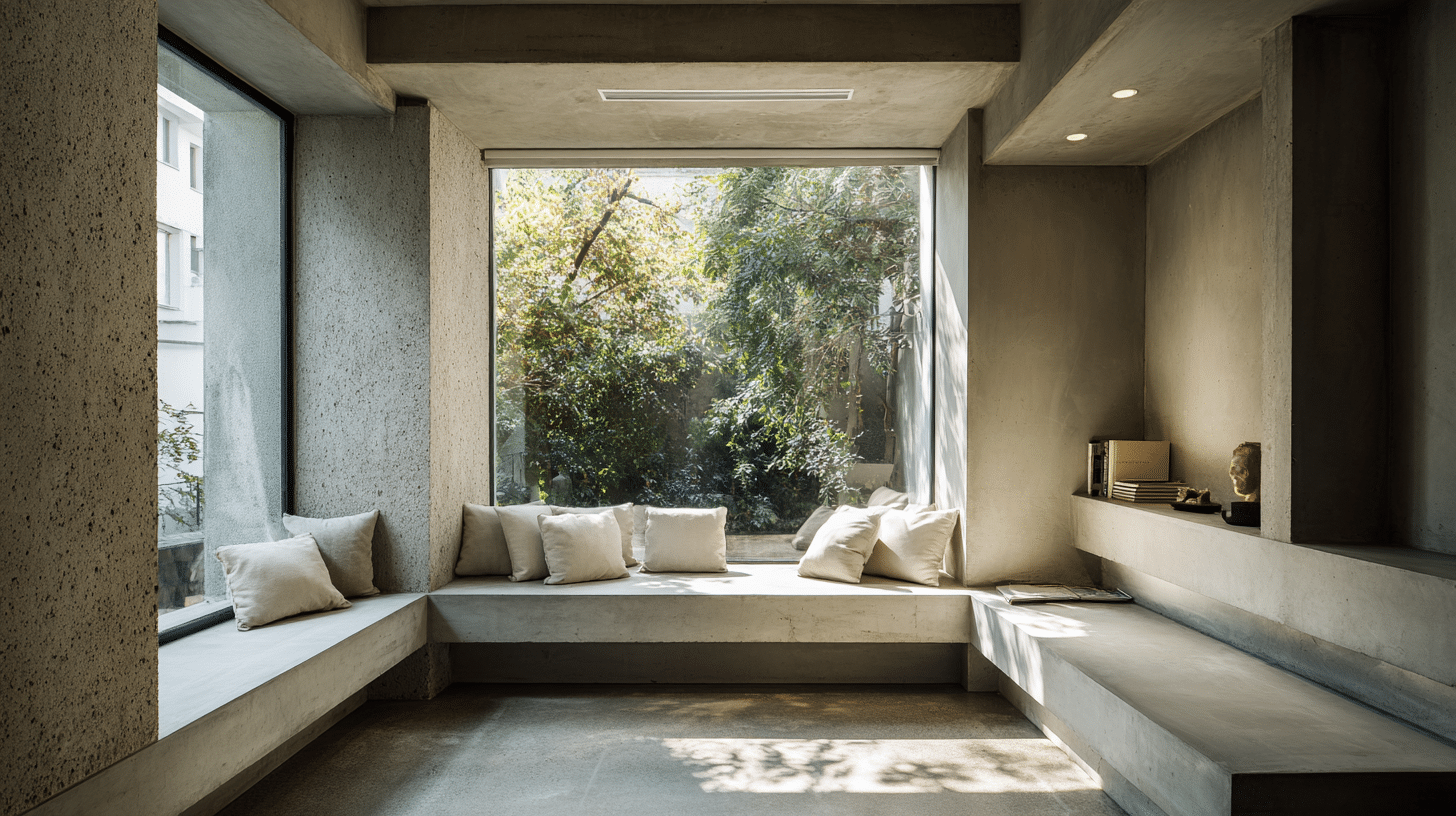
Seating grows directly from the walls and corners. Concrete or wood benches run along edges instead of standing alone.
The furniture follows the room’s lines, not decorative trends.
Corners become usable seating. Window walls turn into benches. Cushions stay thin and simple. The structure leads the design.
Styling Brutalist Furniture in Homes Today
You might think this style only works in industrial lofts. Actually, it fits into regular homes beautifully.
Mid Century Brutalist Style
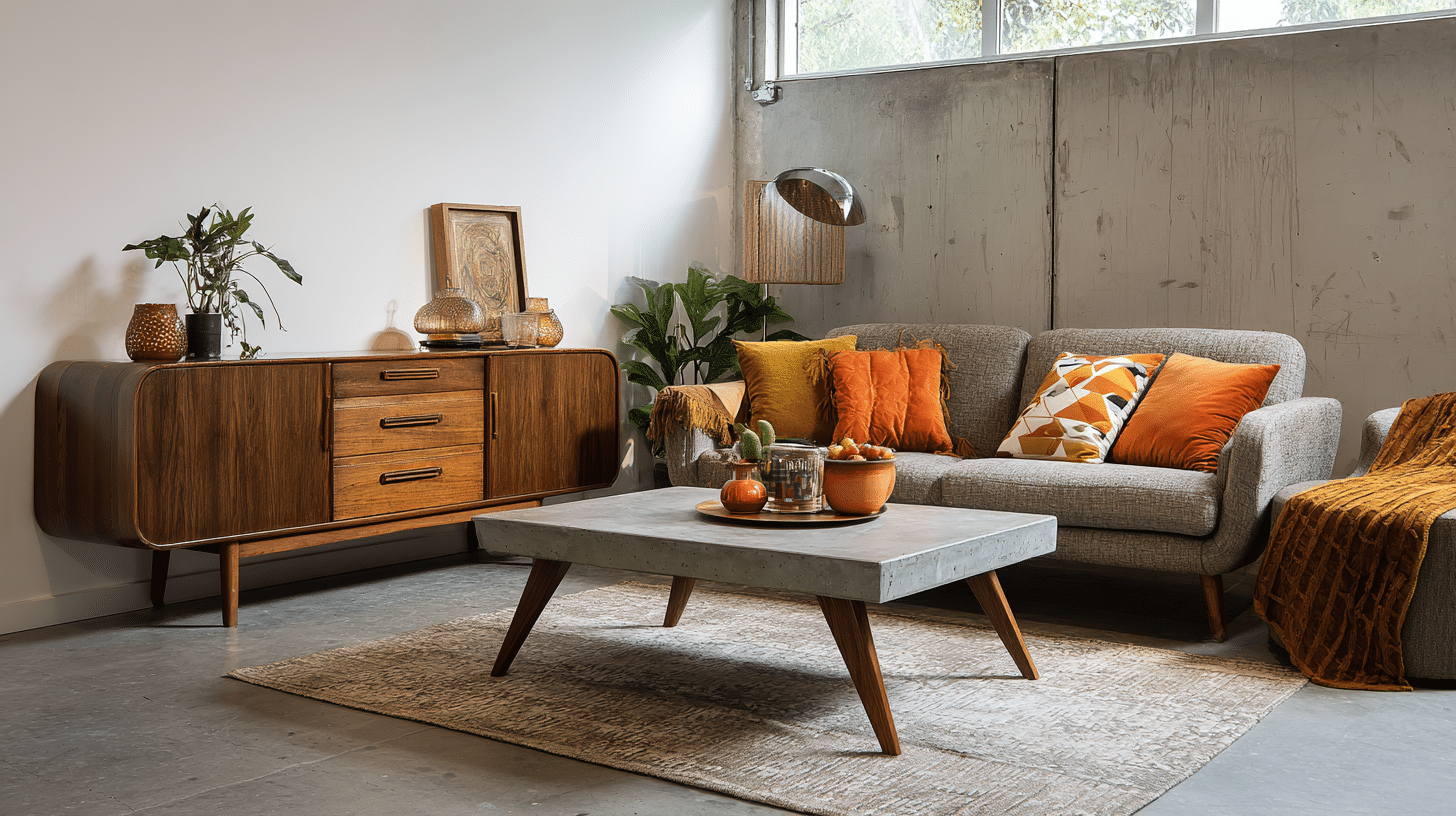
Mix teak or walnut with concrete and steel. Tapered legs from the 1960s contrast beautifully with blocky bases.
Add vintage textiles in burnt orange or mustard yellow. These warm colors bridge both styles naturally. Keep decorative objects minimal.
Pair a mid century credenza with a concrete coffee table. The wood tones warm up cooler surfaces instantly.
Modern Brutalist Style
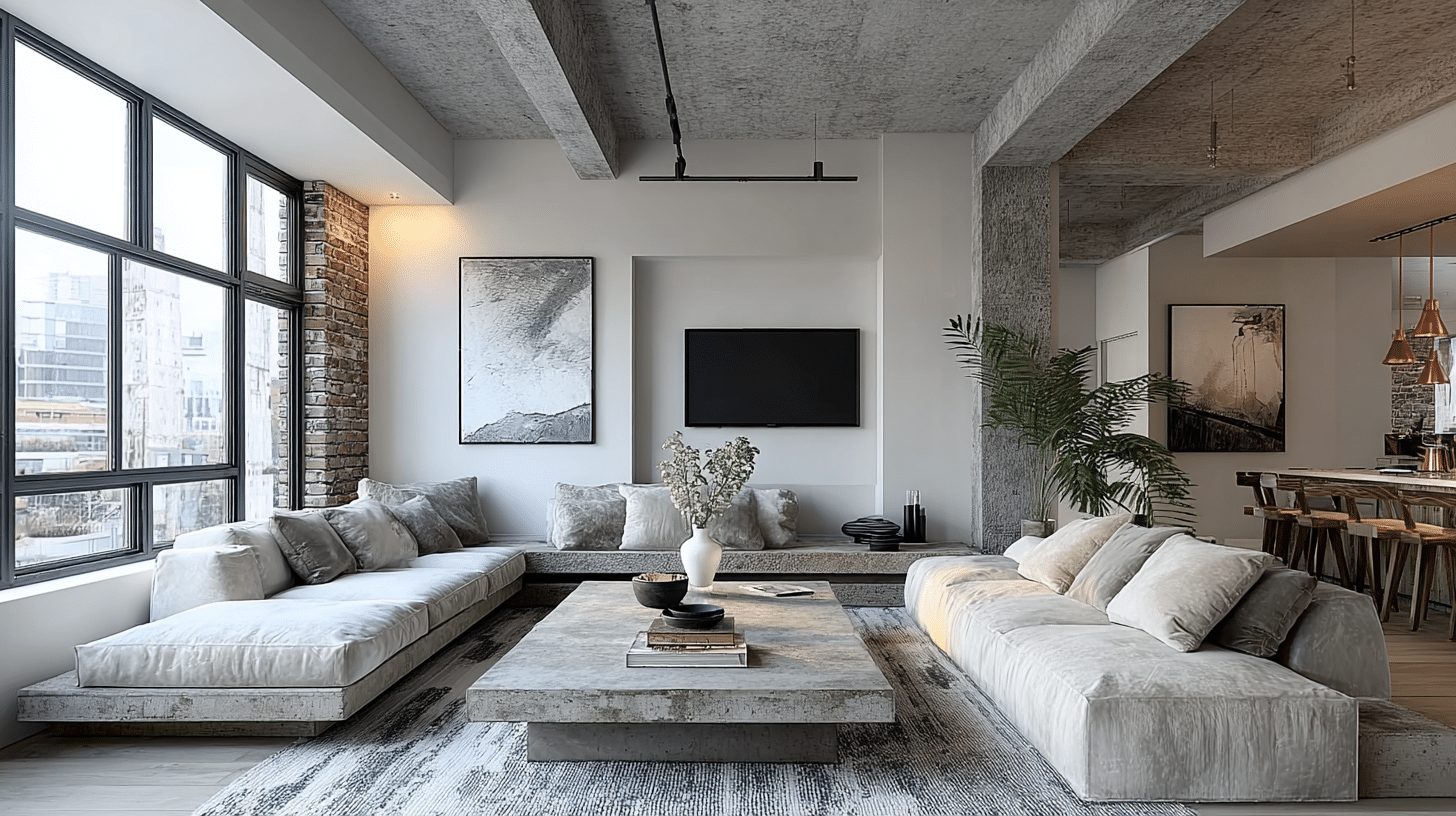
Incorporate smart technology without letting it dominate. Mount TVs on walls rather than using chunky consoles. Use contemporary fabrics like velvet alongside heavy pieces.
Layer in brass or copper accents for warmth. Open floor plans work perfectly here.
The furniture defines different zones naturally without needing walls.
Minimal Brutalist Style
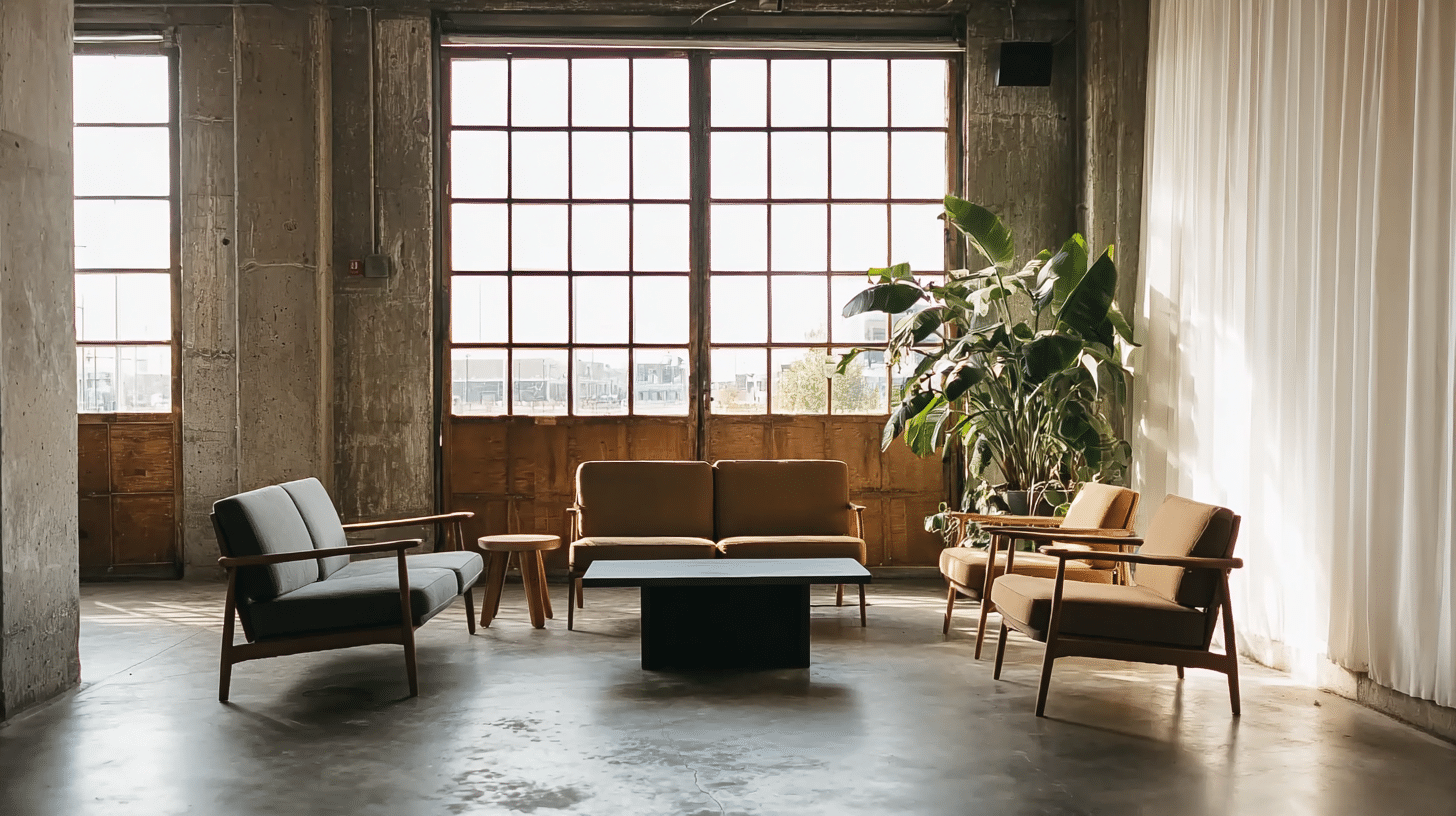
Choose quality over quantity every time. One perfect piece beats five mediocre ones.
Leave areas empty intentionally so negative space matters.
Stick to three colors maximum, usually two neutrals plus one accent. Edit ruthlessly and keep only what serves a real purpose in your daily life.
Brutalist Furniture vs Other Furniture Styles
| Feature | Brutalist | Mid Century | Scandinavian | Industrial |
|---|---|---|---|---|
| Materials | Concrete, thick wood, steel | Teak, walnut, plywood | Light woods, birch | Metal, reclaimed wood |
| Weight | Very heavy | Light to medium | Light, airy | Medium to heavy |
| Lines | Blocky, angular | Tapered, curved | Simple, gentle | Utilitarian |
| Finish | Raw, unpolished | Polished, smooth | Smooth, painted | Worn, aged |
| Colors | Grays, browns, blacks | Warm woods, teal | Whites, pastels | Blacks, rust |
| Comfort | Firm, structured | Balanced | Very comfortable | Moderate |
| Best For | Bold statements | Timeless appeal | Small spaces | Urban lofts |
Pros and Cons to Consider
Here’s the honest breakdown.
Pros:
- Built to last forever: These pieces outlive you. Buy once.
- Unique visual impact: Nothing else looks like this. Guests remember your space.
- Timeless appeal: Stays relevant for decades.
- Low maintenance: Raw materials need minimal care. Natural finishes develop character, not damage.
- Versatile mixing: Pairs well with other styles easily.
Cons:
- Extremely heavy: Moving requires serious effort and help. Renters should think twice.
- Higher cost: Quality materials cost more upfront.
- Space hungry: Small apartments feel overwhelmed quickly.
- Difficult repairs: Fixing concrete or stone needs professional help.
Weigh these honestly against your lifestyle and space. The right choice depends on how you actually live, not just what looks good online.
How to Care for Brutalist Furniture at Home
These pieces need less fussing than you’d think. The raw materials actually benefit from simple care routines.
General Tips
Use felt pads under pieces. Check joints yearly and tighten loose hardware.
Keep away from direct sunlight when possible.
For Wood Pieces
Dust regularly with a soft cloth. Skip harsh chemicals and furniture polish.
Oil the wood once or twice yearly using mineral oil. Wipe spills immediately to prevent water rings.
Natural finishes develop beautiful character when maintained properly.
For Metal Components
Wipe down steel and iron regularly. Prevent rust by keeping pieces away from moisture. Embrace the natural aging process and patina development.
For Concrete Surfaces
Seal concrete when you first get it. Clean with mild soap and water. Avoid acidic cleaners that etch surfaces. Accept some patina development over time.
“Reseal your concrete pieces every year or two. It takes thirty minutes but prevents permanent staining.”
Small scratches become part of the story rather than damage.
Who Should Choose This?
This style suits people planning to stay long-term with adequate space for heavy pieces. You need confidence to pull off bold statements that dominate rooms.
High ceilings and open floor plans work best for these proportions.
Design enthusiasts who commit to lasting furniture thrive here because pieces outlive trends. Skip this style if you prefer soft, cozy spaces.
Renters who move frequently face constant challenges with weight and transportation.
Conclusion
So, brutalist furniture brings raw honesty into your home. The heavy materials, blocky shapes, and exposed construction create spaces that feel grounded and real.
These pieces tell stories through their textures and weight.
Yes, they demand commitment. The investment is significant, and the style isn’t for everyone.
But if you value lasting quality over temporary trends, this approach delivers.
Ready to transform your interiors?