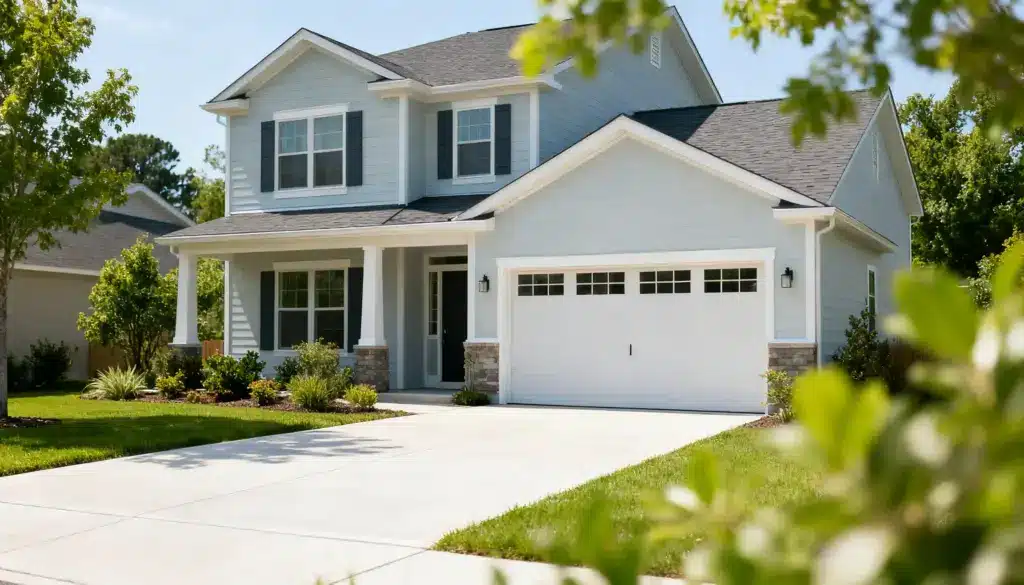
Selecting the right exterior paint for your house is as important as the interior wall color.
The wrong paint doesn’t just look bad; it can crack, peel, and cost thousands in repairs. Sometimes it may look good from above, but it will protect your house from nothing, slowly weakening it.
Picking the right exterior paint isn’t complicated once you know what to look for.
That combination of protection, durability, and good looks is exactly what sets the best exterior paint apart.
Qualities You Should Look for in the Exterior Paint
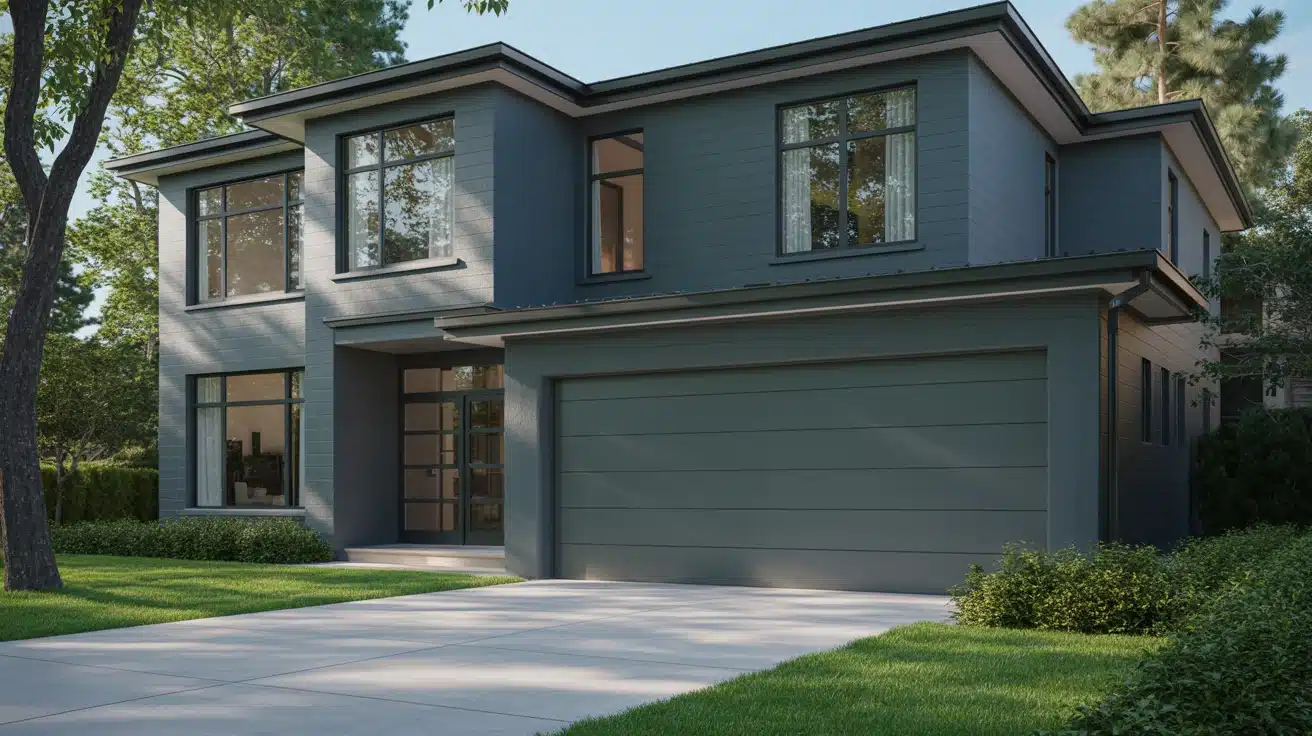
The right qualities make sure the paint holds up through every season without failing.
The following qualities separate a high-performing paint from an average one:
- Durability: A high-quality exterior paint lasts for years without chipping or fading, even in harsh conditions.
- Weather Resistance: It withstands rain, heat, cold, and humidity without breaking down or losing its finish.
- Adhesion: Quality paint sticks firmly to surfaces. It does not peel, bubble, or lift away after application.
- Color Retention: The best paint retains its color longer, resisting fading from direct sunlight and UV exposure.
- Mold and Mildew Resistance: It contains protective agents that stop mold and mildew from forming on exterior walls over time.
- Low VOC Levels: Good paint contains lower levels of volatile organic compounds, making it safer for the environment and people nearby.
Common Types of Exterior Paint Formulations
Picking the right paint base makes a big difference. Here are the three main types homeowners come across:
Acrylic Exterior Paint
Acrylic paint is one of the most popular choices for exterior surfaces.
It dries quickly and adheres well to most surfaces, including wood, masonry, and siding.
The formula resists cracking, fading, and moisture, making it a strong all-around option. It also holds color well over time, even in areas that get heavy sun exposure or frequent rain.
If you are searching for the best exterior paint for everyday surfaces, acrylic is often the first recommendation professionals make.
A primer coat beforehand helps the finish last even longer.
Apply acrylic paint in mild weather. Extreme heat or cold affects how well it bonds to the surface.
Latex Exterior Paint
Latex paint is water-based and one of the easiest types to work with.
It cleans up with just soap and water, which makes the whole process less of a hassle.
The flexible formula expands and contracts with temperature changes, which helps prevent peeling and cracking over time.
It works well on a variety of exterior surfaces and is a practical choice for most standard paint projects.
Oil-Based Exterior Paint
Oil-based exterior paint is known for delivering a hard, tough finish that stands up to heavy use.
It takes longer to dry compared to water-based options, but it bonds exceptionally well to surfaces.
People often choose oil-based exterior paint for doors, trim, and high-traffic areas that require extra durability. The finish is smooth, dense, and holds up well against moisture and daily wear.
Use a natural bristle brush when applying oil-based paint. Synthetic brushes do not spread the formula evenly and can leave visible streaks.
Acrylic vs Latex vs Oil-Based Exterior Paint: A Quick Comparison
Choosing between these three paint types can feel confusing. Let me help you out.
| Feature | Acrylic | Latex | Oil-Based |
|---|---|---|---|
| Drying Time | Fast | Fast | Slow |
| Durability | High | Moderate | Very High |
| Flexibility | High | High | Low |
| Best For | Walls, siding | General surfaces | Doors, trims |
| Cleanup | Water | Water | Solvent |
| Weather Resistance | Excellent | Good | Good |
Best Exterior Paint Choices for Different Surfaces
Different exterior surfaces have different needs. The right paint for wood will not always work well on brick or metal.
Here’s a breakdown of what works best for each surface type:
Wood Surfaces
Wood is a natural material that expands and contracts with temperature and moisture.
Acrylic paint works well here because it stays flexible and moves with the wood. It also resists moisture, which helps prevent rot and warping.
A good primer coat before painting makes the finish last much longer on wood surfaces.
Always check moisture content before painting on older wood siding. The paint will fail prematurely on anything above 15%.
Stucco and Masonry
Stucco and masonry are porous surfaces that absorb paint quickly.
A thick, elastomeric paint works well because it fills small cracks and creates a strong seal. It also handles moisture well, keeping water from seeping through the surface.
Choosing an exterior paint for stucco comes down to finding a formula that is thick enough to seal the surface properly.
Flat or satin finishes tend to look the most natural on stucco walls.
Always check for any hairline cracks before painting. Painting over them without filling first means they’ll reappear through the topcoat within a season.
Brick Exteriors
Houses with a brick exterior need a breathable paint that lets moisture escape from within. Painting over brick traps moisture inside, which leads to cracking and damage over time.
A masonry-specific formula is the right call for the best exterior paint.
When choosing exterior paint for brick, always select a product labeled safe for masonry use.
Metal Surfaces
Metal surfaces like gutters, railings, and doors need a paint that resists rust and corrosion.
Oil-based or rust-inhibiting acrylic paints work best on metal. Without the right formula, metal surfaces can rust quickly, ruining the finish.
Proper surface preparation, including sanding and priming, is key before applying any paint to metal.
Wipe down metal surfaces with a degreaser before priming. Oil and dirt left on the surface stop the paint from bonding properly and shorten its lifespan.
Exterior Paint Products Worth Considering
With so many options on the market, it helps to know which products consistently get recommended.
1. Sherwin-Williams Emerald Exterior Paint
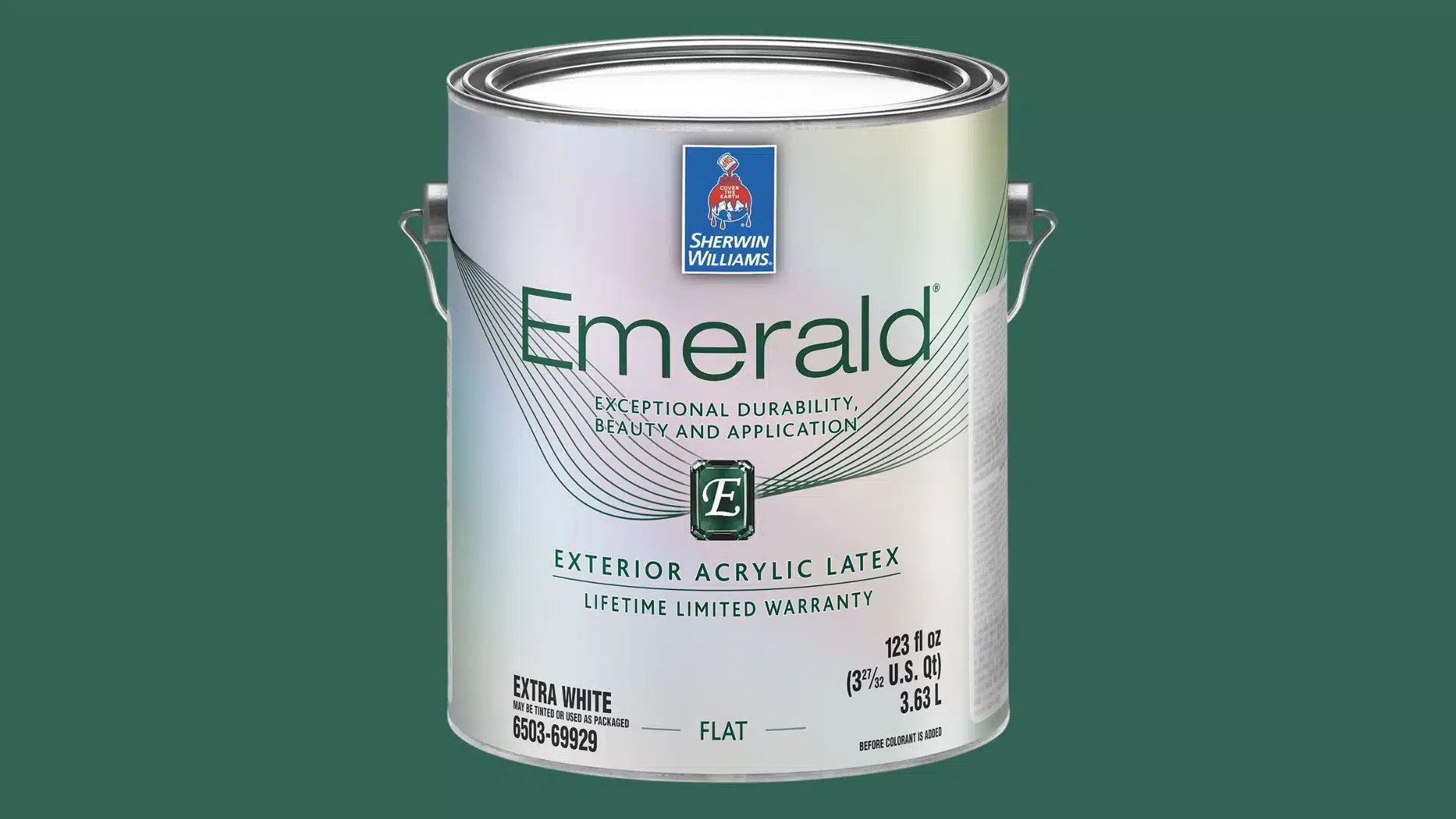
Sherwin-Williams Emerald is a premium acrylic paint built for tough conditions.
It offers outstanding durability, strong color retention, and excellent resistance to dirt and mildew. The self-priming formula saves time and effort.
It works well on a wide range of exterior surfaces and delivers a smooth, long-lasting finish.
2. Benjamin Moore Aura Exterior Paint
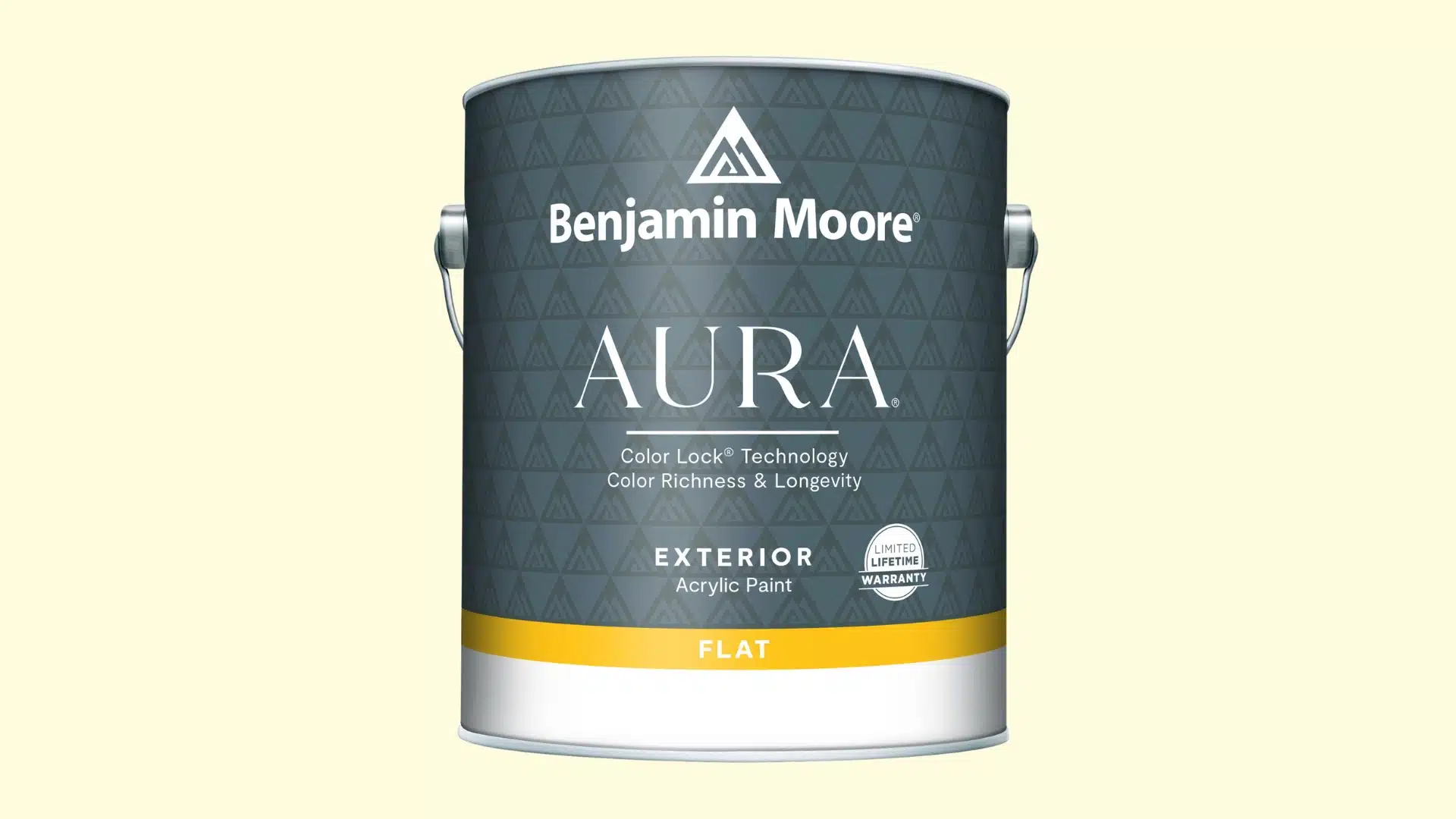
Benjamin moore has a range of colors for the interior and exterior that you can choose from of your house.
If you want rich, deep color payoff, then Benjamin Moore Aura flat is the perfect choice.
It resists fading remarkably well, even in areas with strong sunlight. The paint applies smoothly and dries to a tough, flexible finish.
It holds up well against rain, humidity, and temperature swings without peeling or cracking.
3. Behr Premium Plus Exterior Paint
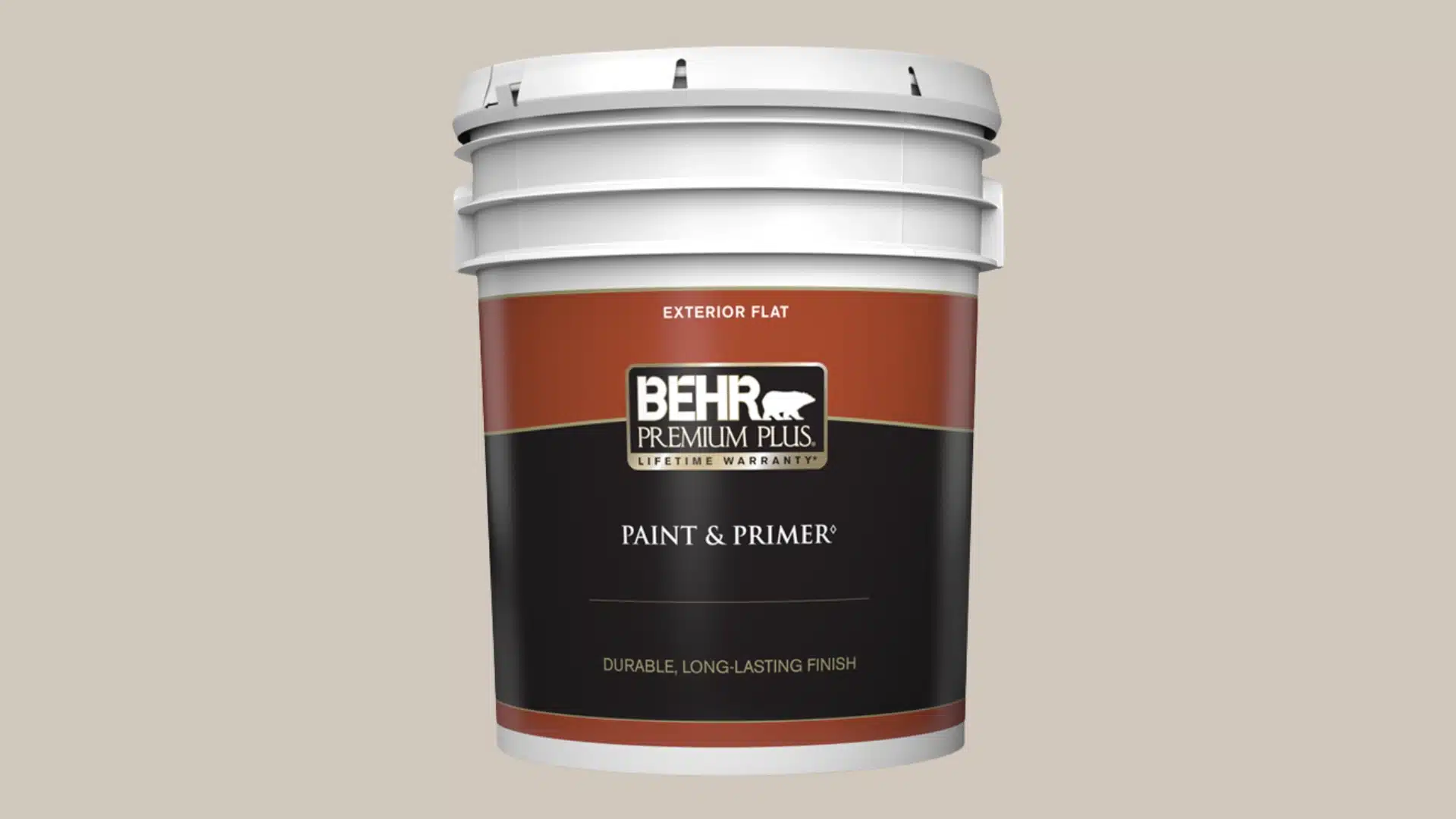
Behr Premium Plus is a budget-friendly option that does not compromise on quality. It combines paint and primer in one, reducing prep time.
If you are looking for exterior paint at a reasonable price, consider Behr as a solid starting point for most exterior projects.
4. Valspar Duramax Exterior Paint
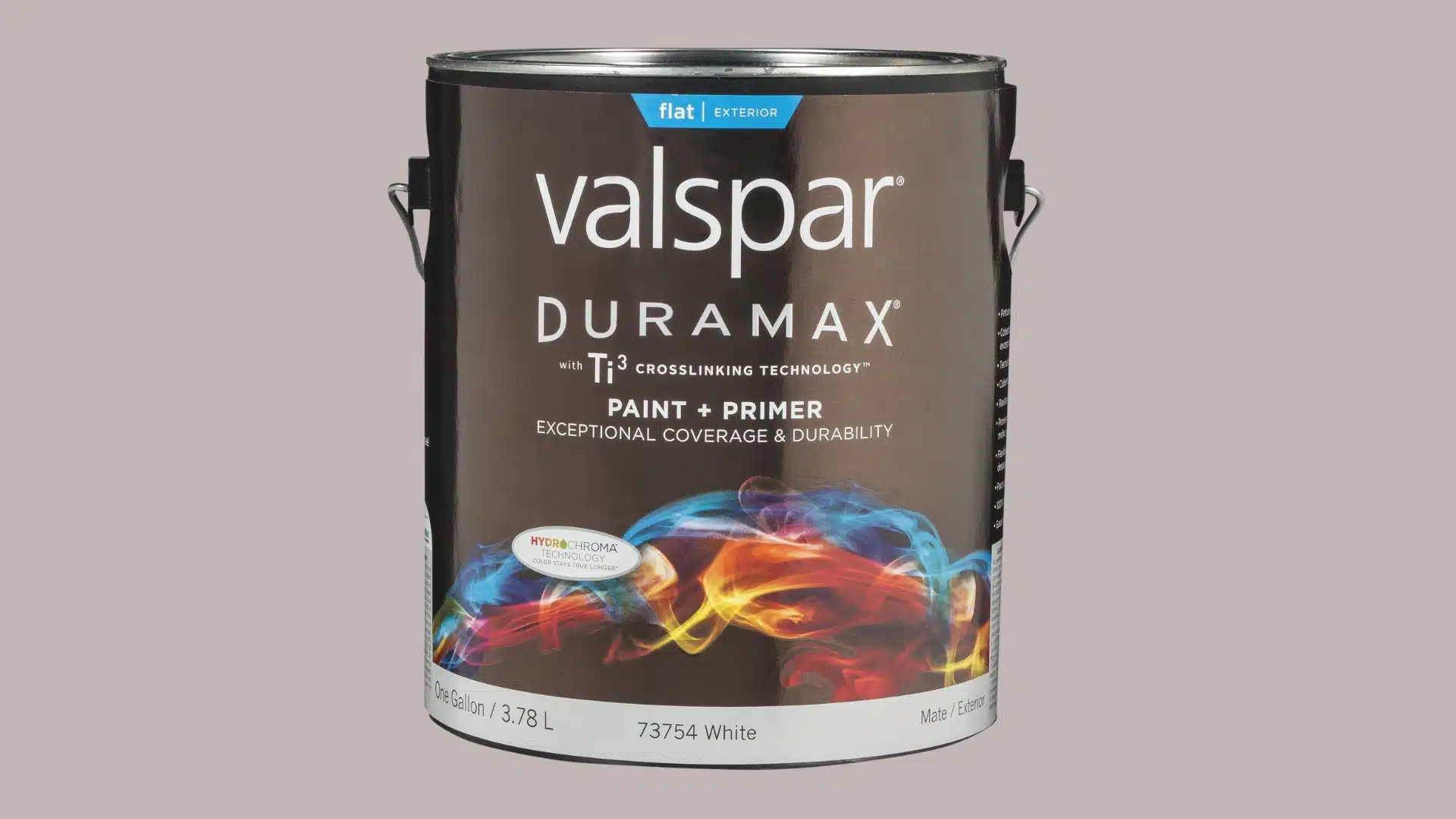
This paint is designed to withstand extreme weather conditions and provides a thick, flexible coating that resists cracking, peeling, and fading.
Valspar Duramax exterior paint is the first choice for many.
The formula works well on wood, masonry, and siding. It also carries strong mold and mildew resistance, making it a dependable pick.
This one holds up particularly well in high-humidity climates. It outperforms pricier options on homes near the coast.
5. Rust-Oleum Door & Trim Exterior Paint
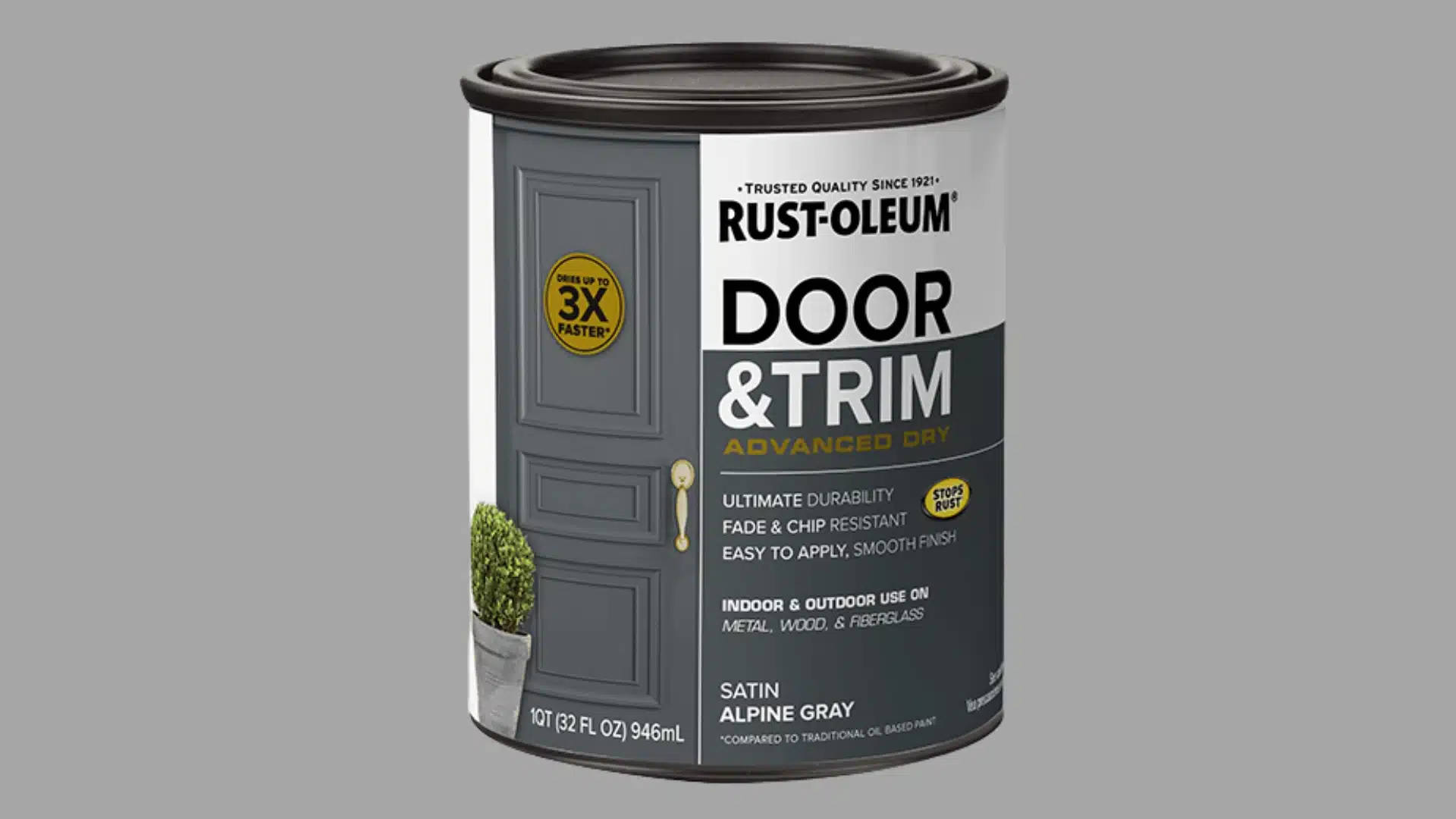
Doors, shutters, and trims take a lot of daily use and wear, and not every paint can keep up.
This formula dries to a hard, smooth finish that resists chips, scuffs, and everyday wear without losing its look. It holds color well through changing weather conditions and bonds to most exterior surfaces.
For people focused on detail work that lasts, Rust-Oleum Door & Trim paint delivers a clean, durable finish that stands the test of time.
6. KILZ Premium Exterior Paint
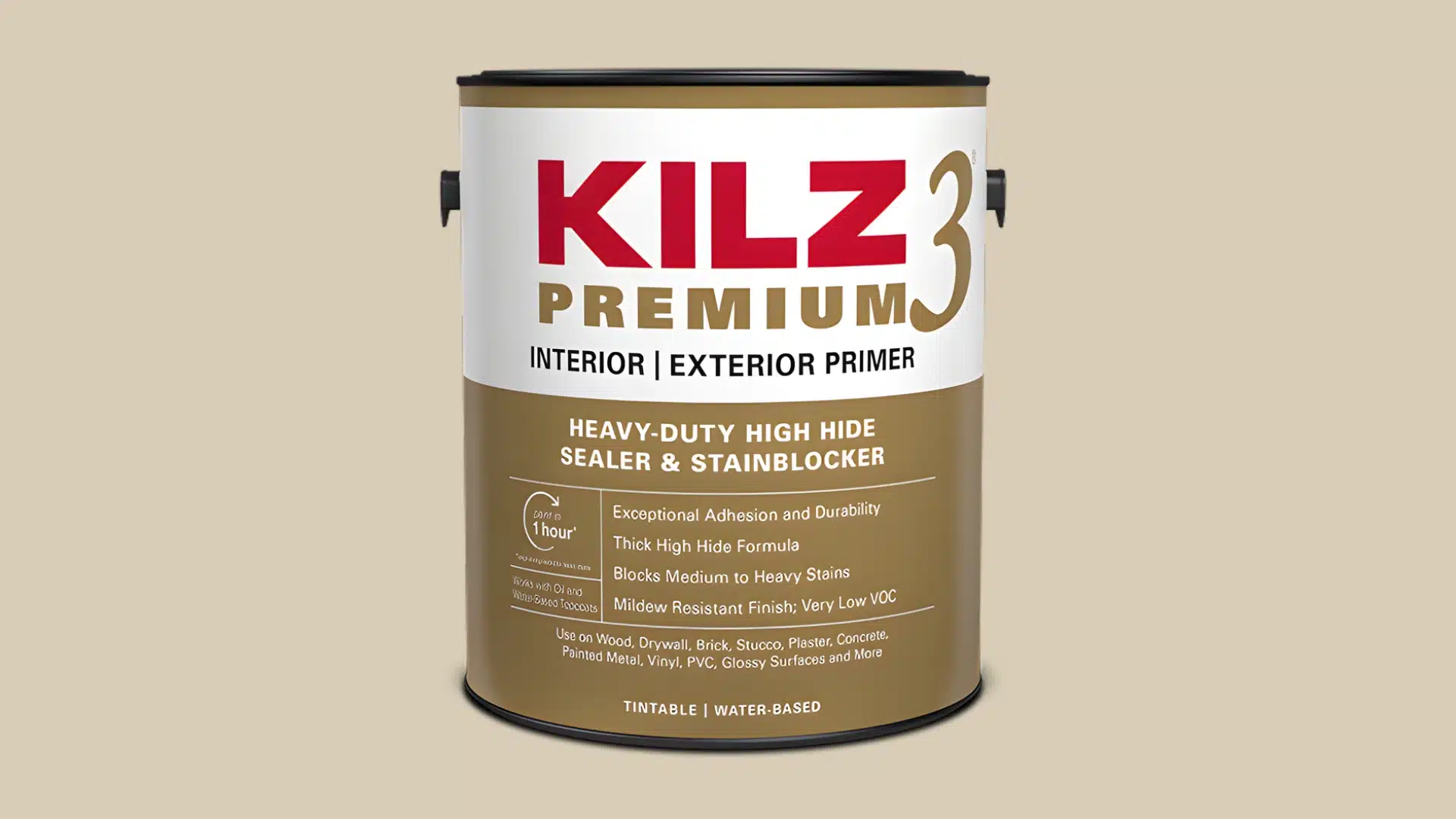
This paint is built for surfaces that need serious stain blocking and strong adhesion.
It works well on wood, masonry, and siding, creating a firm base that holds up through tough weather.
KILZ Premium seals porous surfaces effectively and prevents moisture from seeping through, making it a dependable pick for long-term exterior protection.
7. Glidden Total Exterior Paint & Primer
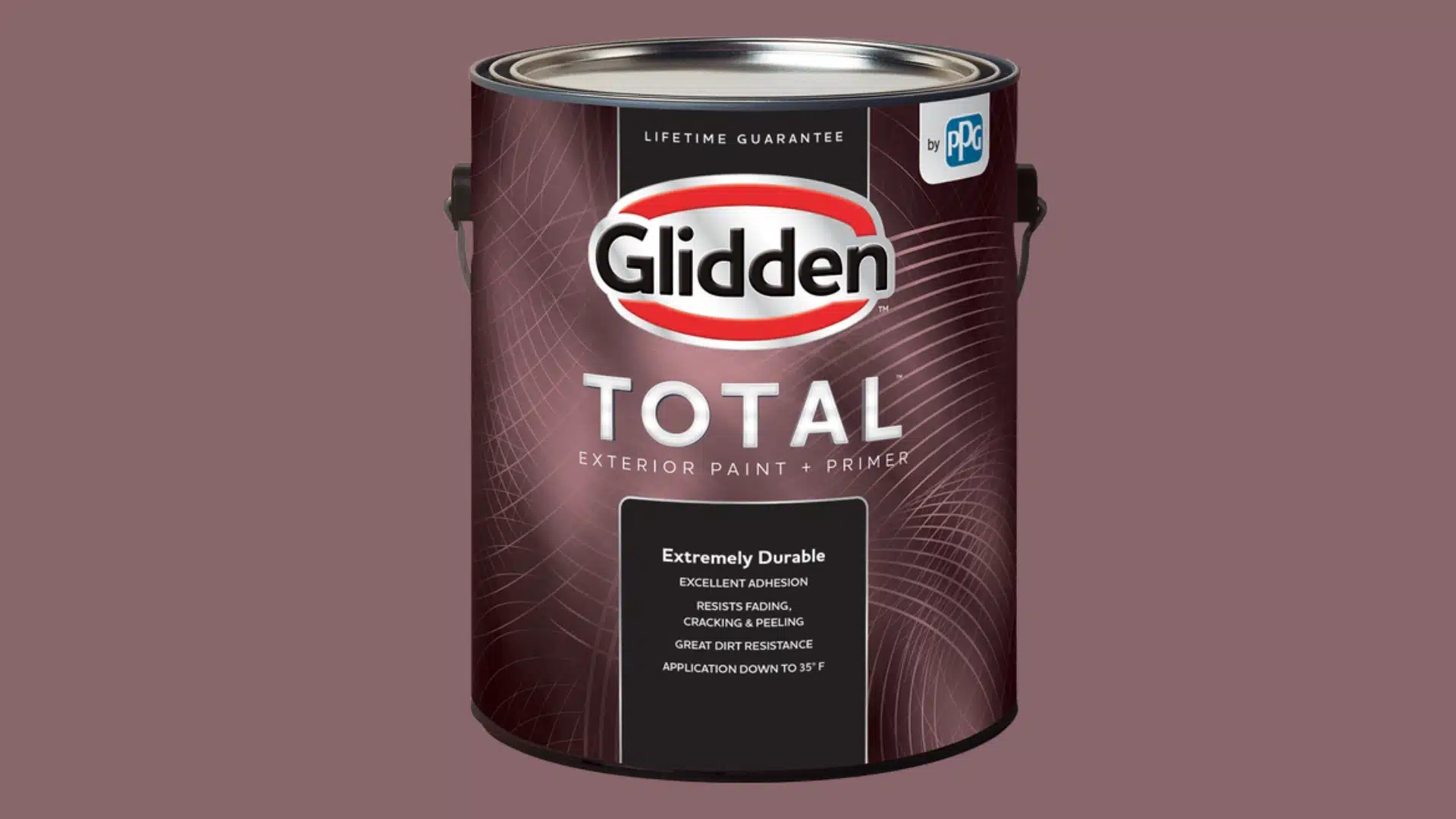
A practical option for homeowners who want solid coverage without a long prep process.
It applies evenly across most exterior surfaces and dries to a clean, hard finish.
For those looking for reliable, no-fuss performance, Glidden Total Exterior Paint & Primer gets the job done without breaking the budget or requiring multiple coats.
Best Paint Finish For Exterior Paint
The finish of a paint is just as important as the color itself.
It affects how the surface looks, how easy it is to clean, and how well it holds up over time.
| Paint Finish | Best For | Durability | Sheen Level |
|---|---|---|---|
| Flat/Matte | Rough or uneven walls | Low | None |
| Satin | Siding, trim, doors | High | Soft glow |
| Semi-Gloss | Doors, windows, trim | Very High | Noticeable shine |
| Gloss | Front doors, railings | Highest | Very shiny |
| Eggshell | Smooth exterior walls | Medium | Slight sheen |
Satin works well for most exterior surfaces, while gloss is best saved for high-traffic areas like doors and railings.
The Role of Primer in a Lasting Paint Job
Many homeowners skip primer to save time, but that decision often leads to bigger problems down the road.
Primer creates a strong base that helps exterior paint bond firmly to the surface. Without it, paint is far more likely to peel, bubble, or crack within a few years.
It also seals porous surfaces like wood and masonry, preventing uneven absorption and a patchy finish.
For older homes or surfaces with stains, primer blocks discoloration from bleeding through the topcoat. Simply put, primer is what gives a paint job its staying power.
- Primer helps paint bond firmly to exterior surfaces.
- It effectively seals porous materials like wood and masonry.
- Blocks stains and discoloration from bleeding through paint.
- Reduces the chances of early peeling and cracking.
What Influences the Lifespan of Exterior Paint?
Several factors determine how well exterior paint holds up over time, and ignoring even one of them can cost a lot.
- Weather and Sun Exposure: UV rays, rain, and temperature fluctuations accelerate paint deterioration in harsh climates.
- Surface Preparation and Priming: Clean, primed surfaces help paint bond strongly. Poor prep is the top cause of early paint failure.
- Paint Quality and Application: Thin or uneven coats wear out fast. Cheap paint leads to early peeling.
- Maintenance and Cleaning: Dirt, mold, and moisture weaken paint over time. Regular cleaning adds years to any paint job.
Final Thoughts
Picking the best exterior paint comes down to knowing the surface, the climate, and the finish that fits the home.
A little research goes a long way in avoiding costly repaints down the road. Use this blog as a reference to choose the right product and finish for your surface.
Ready to start your exterior paint project? If you have any questions, drop them in the comments, and we are happy to help you.
Frequently Asked Questions (FAQs)
1. What is the Best Exterior Paint Brand Consumer Reports?
The best exterior paints for 2025-2026 include Behr Premium Plus and Valspar Duramax.
2. Is Benjamin Moore Better than Sherwin-Williams for Exterior Paint?
Both are top-tier options. Benjamin Moore excels in color depth, while Sherwin-Williams leads in durability. The best choice depends on the specific project needs.
3. How Many Years Should Exterior House Paint Last?
A quality exterior paint job typically lasts between 5 and 10 years, depending on climate, surface preparation, and the paint brand used.