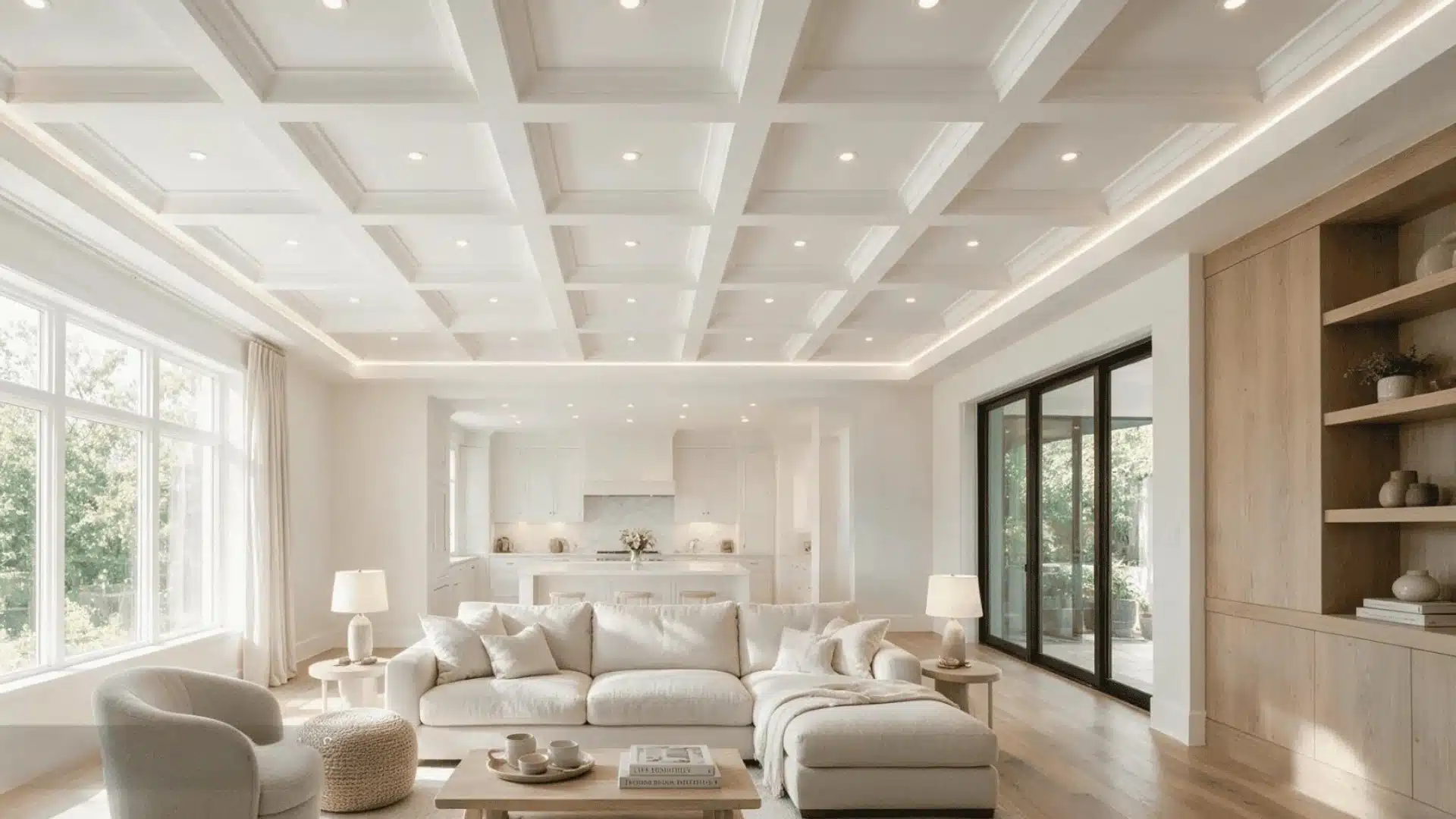
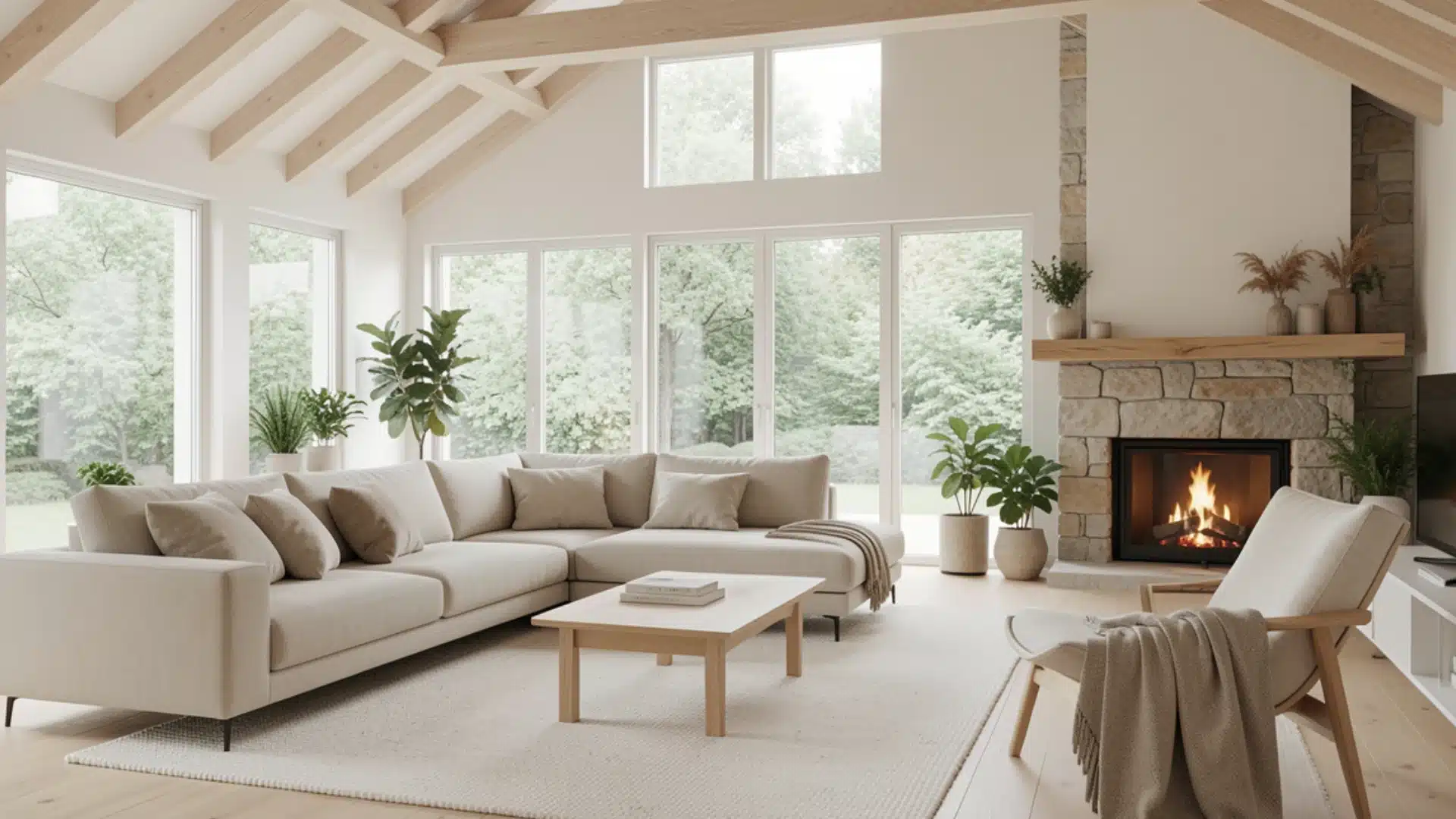
Walk into most Scandinavian homes, and the first thing you notice is what’s not there. No overcrowded shelves. No mismatched furniture. Just open space that actually feels good to be in.
It’s calm. It’s clean, and nothing feels out of place.
It might look simple at first glance, but every detail is there for a reason. No clutter, just a space that feels good to live in.
But is this “calm and organized” interior just for show, or does it actually serve a purpose? And how can you bring that same feeling into your own home?
Benefits of Scandinavian House Interior Design
It’s not just about the good vibe you get from Scandinavian interior design.
What really makes it stand out are the functional and practical benefits. It makes a home feel open, calm, and easy to live in.
Minimalism
Scandinavian design is known for its signature simplicity.
You only hold on to what you truly need, which means less clutter and more breathing room, making your space feel free.
Your home starts to feel lighter, calmer, and far easier to manage every single day.
Functionality
Every item in a Scandinavian home serves a real purpose.
Nothing is there just for show. If you put hundreds of things together just for the show, then that’s not a Scandinavian home.
Scandinavian style works on a solid principle: form always follows function.
This makes your space practical, easy to use, and free from things that just take up room.
Comfort
Soft textures and layered tones make a Scandinavian space genuinely comfortable to live in. Think wool throws, linen cushions, and low lighting that doesn’t feel clinical.
Think wool throws, linen cushions, and warm lighting. It’s the kind of comfort that makes you want to stay home all day.
The goal is a space that feels lived-in without looking messy.
Connection to Nature
Another signature quality of Scandinavian homes is their connection to nature. Natural materials like wood and stone bring a grounded quality indoors.
This connection to nature is one of the biggest reasons Scandinavian interiors, whether in a farmhouse or a traditional home, feel so peaceful.
Elements That Make Up a Scandinavian House Interior
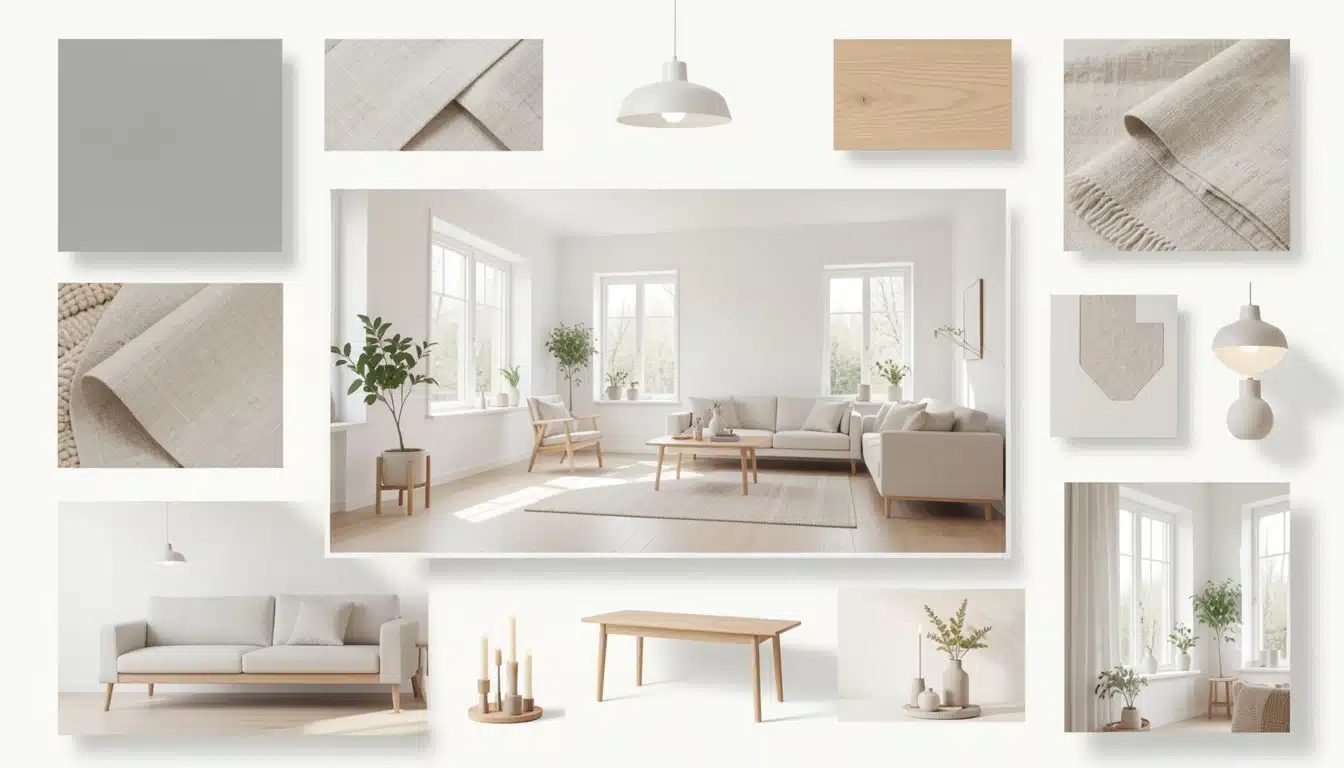
You might be wondering, “What makes Scandinavian interiors so good?”
And the answer is pretty basic and simple, as its interior is built on a few simple elements. Each one plays a role in making the space feel light and calm.
1. Neutral Color Palette
Sticking with the basics, whites, grays, and soft beiges form the base of Scandinavian design.
These tones make rooms feel bigger and brighter. They also work well with natural materials and wood tones.
If you want this for your personal space, then think white walls paired with a light gray sofa or warm beige curtains. It’s the easiest way to get that clean, calm look.
2. Natural Materials
Wood, wool, linen, and stone are the earthly materials that are the common choice here.
They add warmth without making the space feel heavy. Examples include oak flooring, a wool rug, or a stone countertop. These materials also age well and last a long time.
Scandinavian home interiors’ early connection is one of the main reasons for its calming vibe.
3. Minimalist Furniture
Scandinavian house interior furniture is simple, low-profile, and functional.
No heavy carvings or extraordinary details. Think a slim-legged dining table or a clean-lined sofa with no frills.
Each piece serves its basic function and is chosen with care.
4. Lighting and Natural Light
Its early connection doesn’t stop at the furniture; the lighting used in the interior takes it to another step.
Large windows, simple pendant lights, and candles are all common. Natural light is treated as a design element in its own right. Soft, warm bulbs work well in the evening to keep the space feeling calming.
If you want this for your personal space then swap heavy curtains for sheer ones to let more light in during the day.
How to Achieve a Scandinavian Interior for Your House?
It won’t be a surprise if reading about all these benefits made you want to do a Scandinavian interior makeover of your own house.
And achieving that isn’t complicated at all.
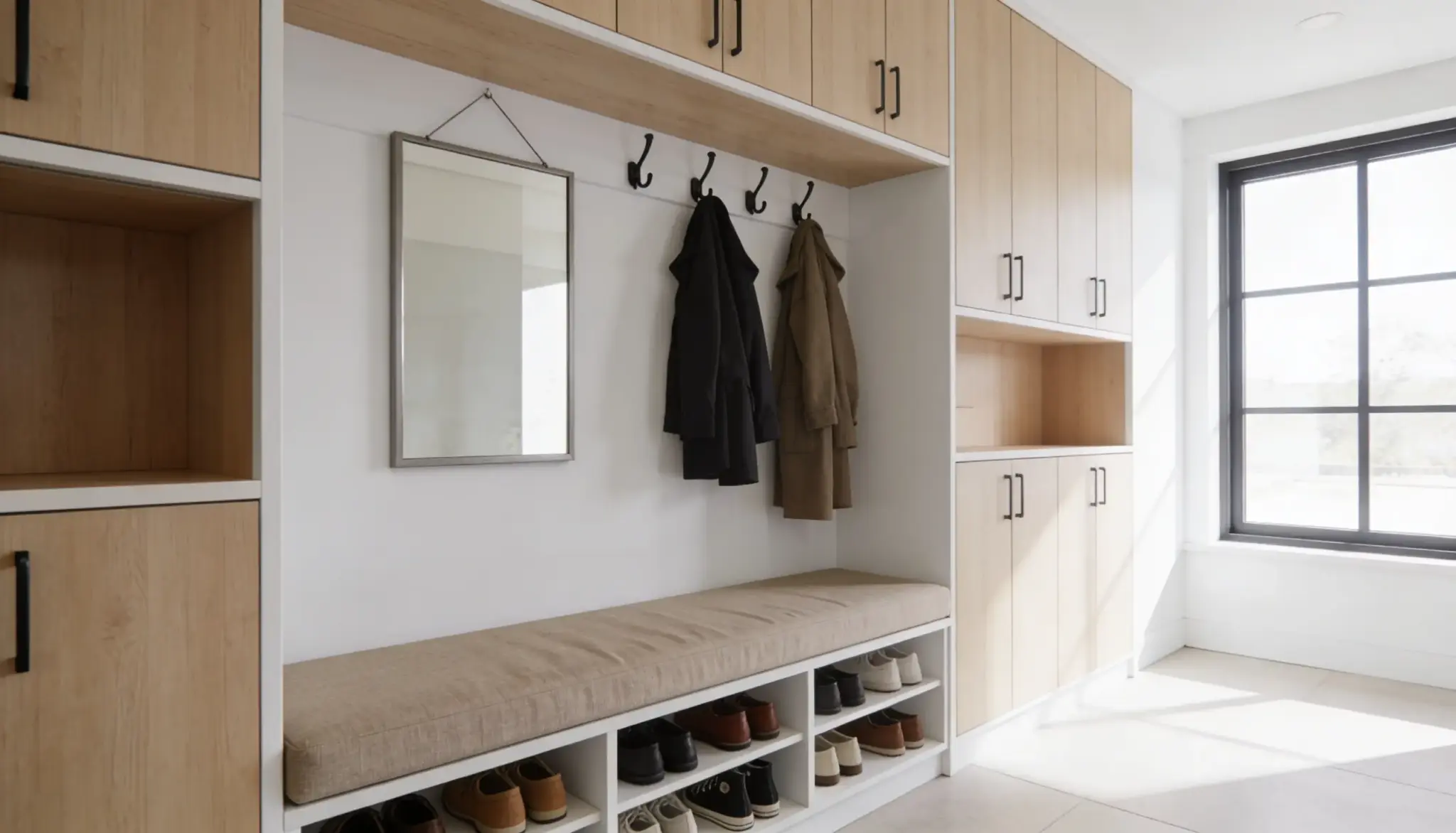
The first step is to declutter your space. Go through each room and remove what you don’t use. Keep only what matters.
Next, use light tones on your walls and floors. Whites, soft grays, and warm beiges work best. These shades reflect light well, making any room feel larger than it is.
Then add calm textures to bring warmth. A wool rug or linen cushions can do the job.
At last, choose simple furniture with clean lines. Avoid anything too bulky or decorative.
Cost Estimate: A basic Scandinavian update can cost anywhere between $500 and $2,000 depending on your location and what you already own. This typically covers fresh paint, a few furniture pieces, and some texture additions like rugs or cushions.
Scandinavian Interior Ideas for Different Rooms
The core idea of Scandinavian interior stays the same across all rooms.
Just keep it simple, warm, and functional. And a few smart choices in each room can completely change how the space feels.
Living Room
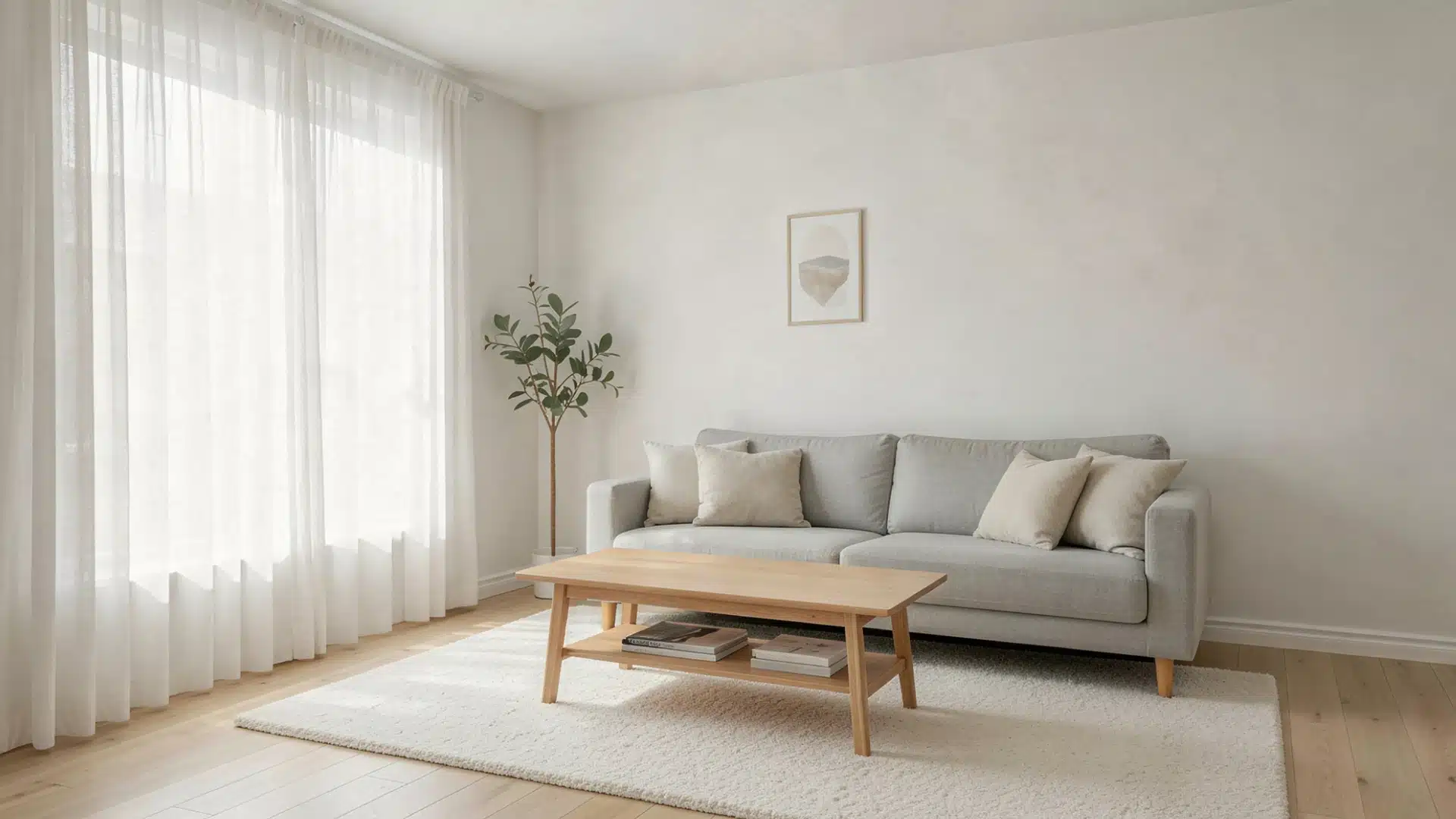
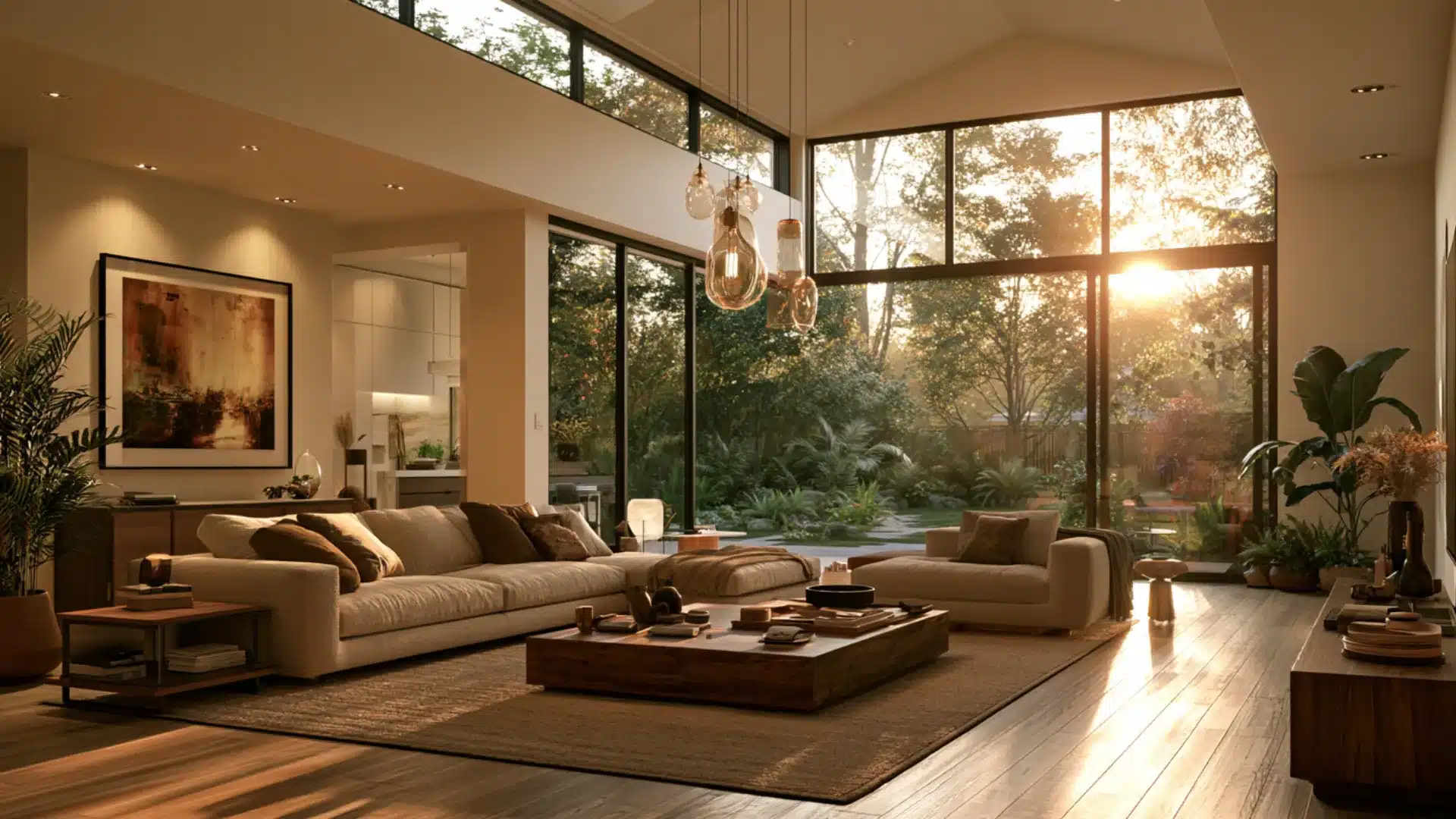
Styling a Scandinavian living room is easy and only requires a few minimal touches to make it work.
Start with white walls and a light gray sofa. Add a wooden coffee table and sheer curtains to let in natural light.
To make things even more interesting, add a wool rug on the floor.
Bedroom
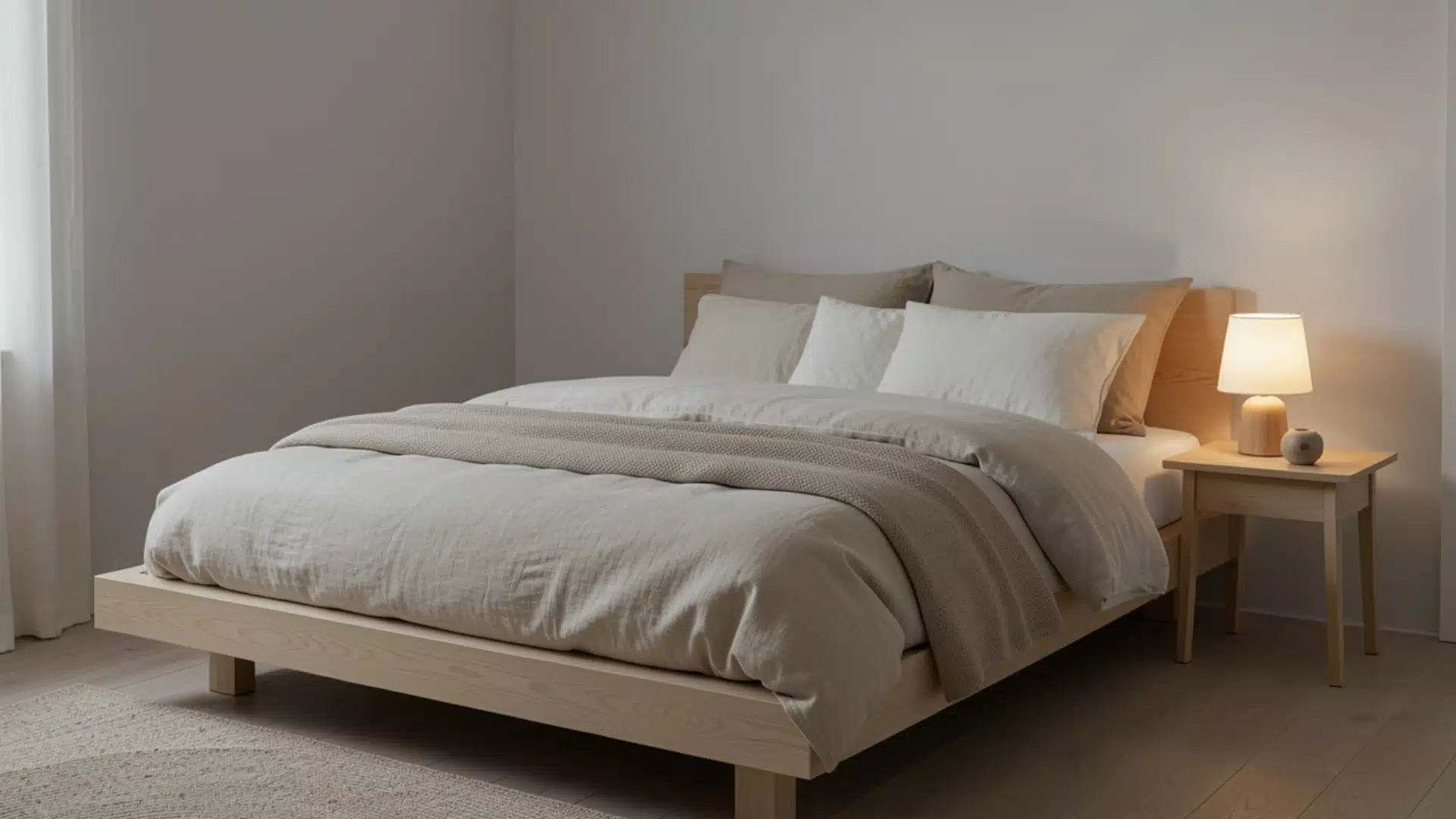
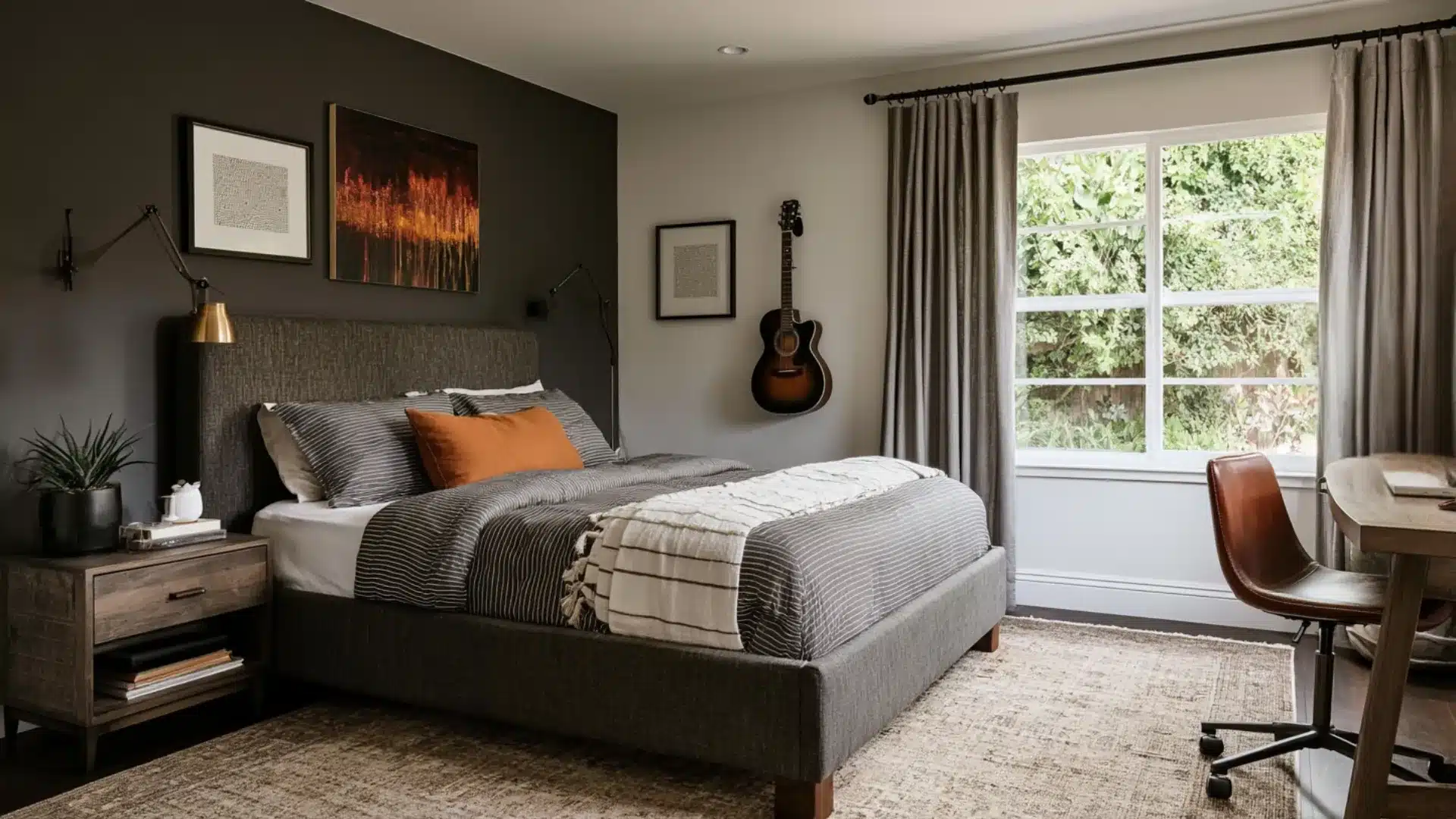
Getting a Scandinavian bedroom right will make you never leave your bed.
Go for neutral bedding and a low-profile bed frame. Keep the nightstand minimal, just a lamp and one small item.
Soft, warm lighting in the evening makes the room feel calm and restful.
Don’t use bright overhead lights in the bedroom. A bedside lamp with a warm bulb creates a much more relaxing atmosphere.
Kitchen
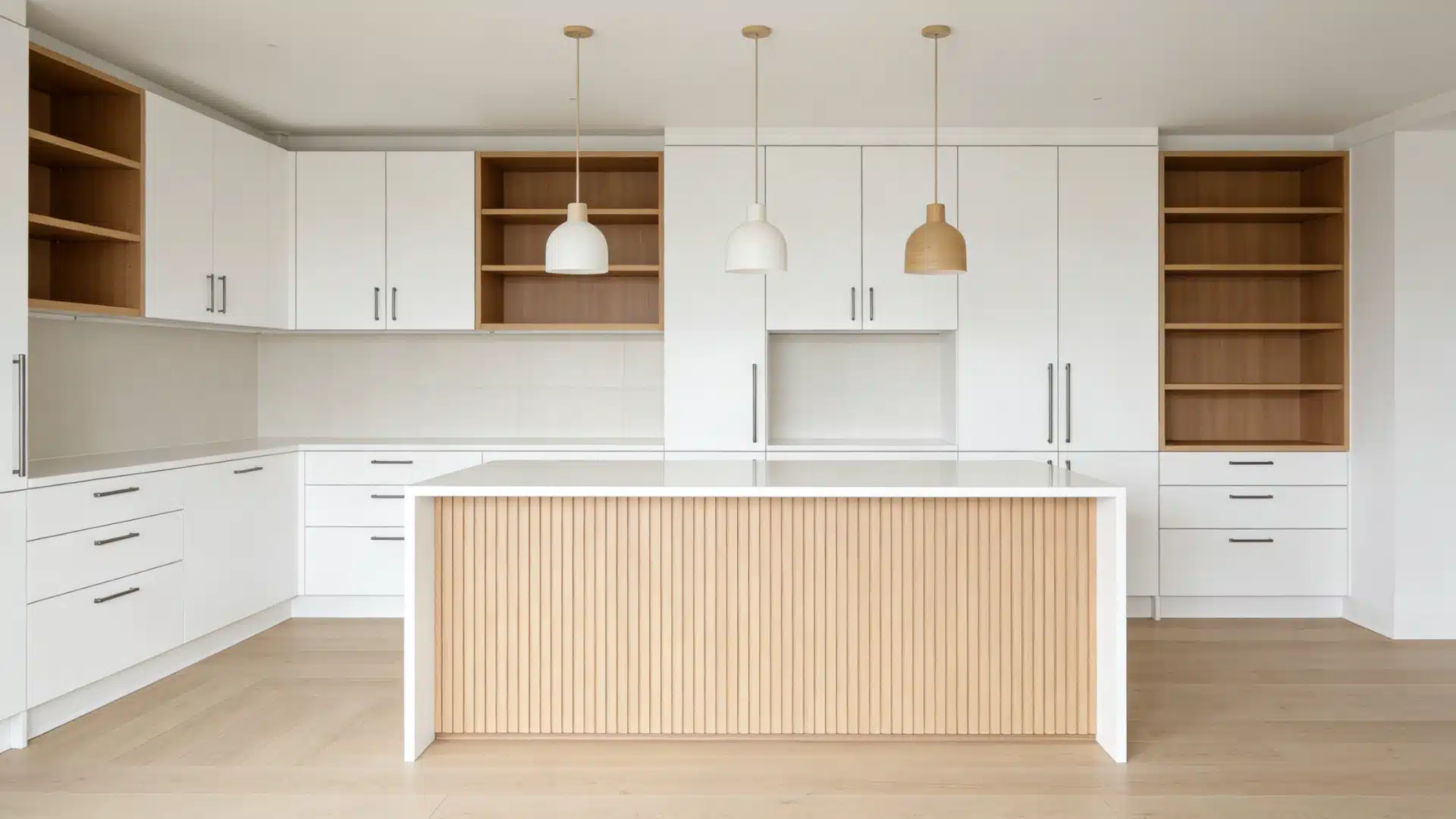
A Scandinavian kitchen should be as functional as it is good-looking.
Think of flat-front cabinets and white countertops; they make the kitchen look clean. Open wooden shelves add warmth without closing the space in.
Simple pendant lights above the island finish the look perfectly.
Avoid leaving too many appliances out on the counter. Store what you don’t use daily to keep that clean, open feel
Final Thoughts
A Scandinavian house interior is one of the simplest ways to make a home feel better to live in.
It’s clean, warm, and built around real everyday needs. Nothing is overdone. Nothing is wasted.
Whether you go for a complete makeover or just make a few small changes, the results will definitely speak for themselves. It’s a design style that works for almost any home and any budget.
So, if you’ve been thinking about refreshing your space, this might just be the right direction for you.
Frequently Asked Questions (FAQs)
1. What is Scandinavian Style in Interior Design?
It’s a design style focused on simplicity, function, and comfort. It uses neutral colors, natural materials, and clean-lined furniture to create warm, clutter-free spaces.
2. What is the Best Color for Scandinavian Walls?
White is the top choice. Soft grays and warm beiges also work well. These shades keep rooms feeling bright, open, and calm.
3. What is Not a Common Feature of Scandinavian Interior Design?
Heavy ornamentation, bold colors, and bulky furniture don’t fit this style. Scandinavian design avoids anything excessive or purely decorative.