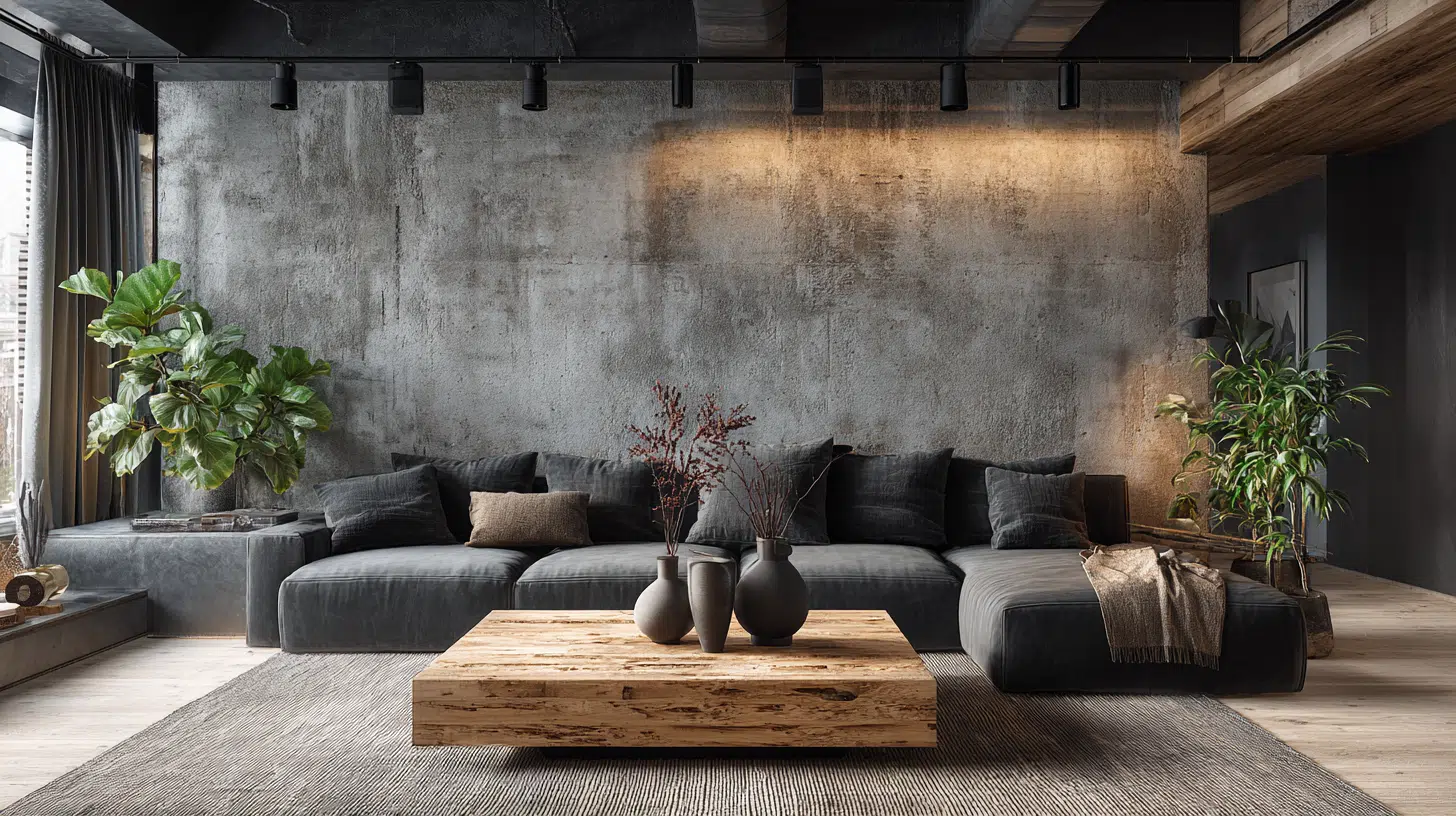
This article shows exactly why brutalist interior design has become a modern classic.
Top designers from New York to Tokyo are using this style in luxury homes worth millions. Even small apartment owners are finding success with these bold design choices.
The same concrete walls that defined 1960s architecture now define modern homes.
Raw materials like concrete and steel actually bring character to living spaces. Natural light plays off these surfaces in unexpected ways.
Brutalist interior ideas prove that sometimes the boldest choice is the best one.
Let’slook at what makes this approach so special.
What is Brutalist Interior Design?
Brutalist design takes inspiration from raw concrete architecture. It brings bold, geometric shapes and unfinished materials into your living space.
Think exposed concrete walls, steel beams, and chunky furniture with sharp angles. But it’s not just about cold, industrial looks.
You’ll see concrete left unpainted, metal fixtures without fancy finishes, and wood in its natural state. Everything feels substantial and permanent.
The focus remains on form, function, and the inherent beauty of the materials themselves. Colors tend to be neutral, with grays, browns, and blacks dominating the palette.
History of Brutalist Design
Brutalist design emerged in the 1950s, immediately following World War II.
French architect Le Corbusier coined the term “béton brut,” which translates to “raw concrete.” This became the foundation for what we now call brutalism.
The movement gained momentum during the post-war reconstruction period. Architects needed to build quickly and cheaply, so they turned to concrete as their primary material.
Britain saw massive brutalist architecture, interior projects, and universities throughout the 1960s and 70s. Famous brutalist buildings include London’s Barbican Center and Boston City Hall.
These structures featured massive concrete blocks, repetitive angular elements, and fortress-like appearances.
By the 1980s, brutalism fell out of favor. People found the buildings cold and unwelcoming. However, the style has made a comeback in recent years.
Today’s designers appreciate its honest approach to materials and bold geometric forms in residential interiors.
Brutalist Architecture Elements
Brutalist architecture translates powerfully into interior spaces, creating bold functional rooms that celebrate raw materials and geometric forms.
| Design Element | Description |
|---|---|
| Raw Concrete Surfaces | Exposed walls showcase natural textures and imperfections |
| Heavy Geometric Furniture | Chunky angular pieces with substantial presence |
| Industrial Lighting Fixtures | Metal pendants and exposed bulb installations |
| Minimal Color Palettes | Grays, blacks, browns, and whites dominate schemes |
| Large-Scale Proportions | Oversized furniture creates a dramatic visual impact |
| Natural Material Emphasis | Wood, stone, and metal in unfinished states |
| Functional Storage Solutions | Built-in shelving with blocky geometric designs |
These elements create an interior space that is both monumental and intimate.
Balance rough textures with thoughtful lighting and strategic placement.
One common mistake is using all these elements at once. In practice, one or two strong choices, such as a raw concrete wall or an oversized pendant, are enough to carry the whole room.
Features of Brutalist Interior Design
Beyond basic materials and shapes, brutalist interiors have distinct characteristics that set them apart from other design styles.
1. Monolithic Furniture Pieces
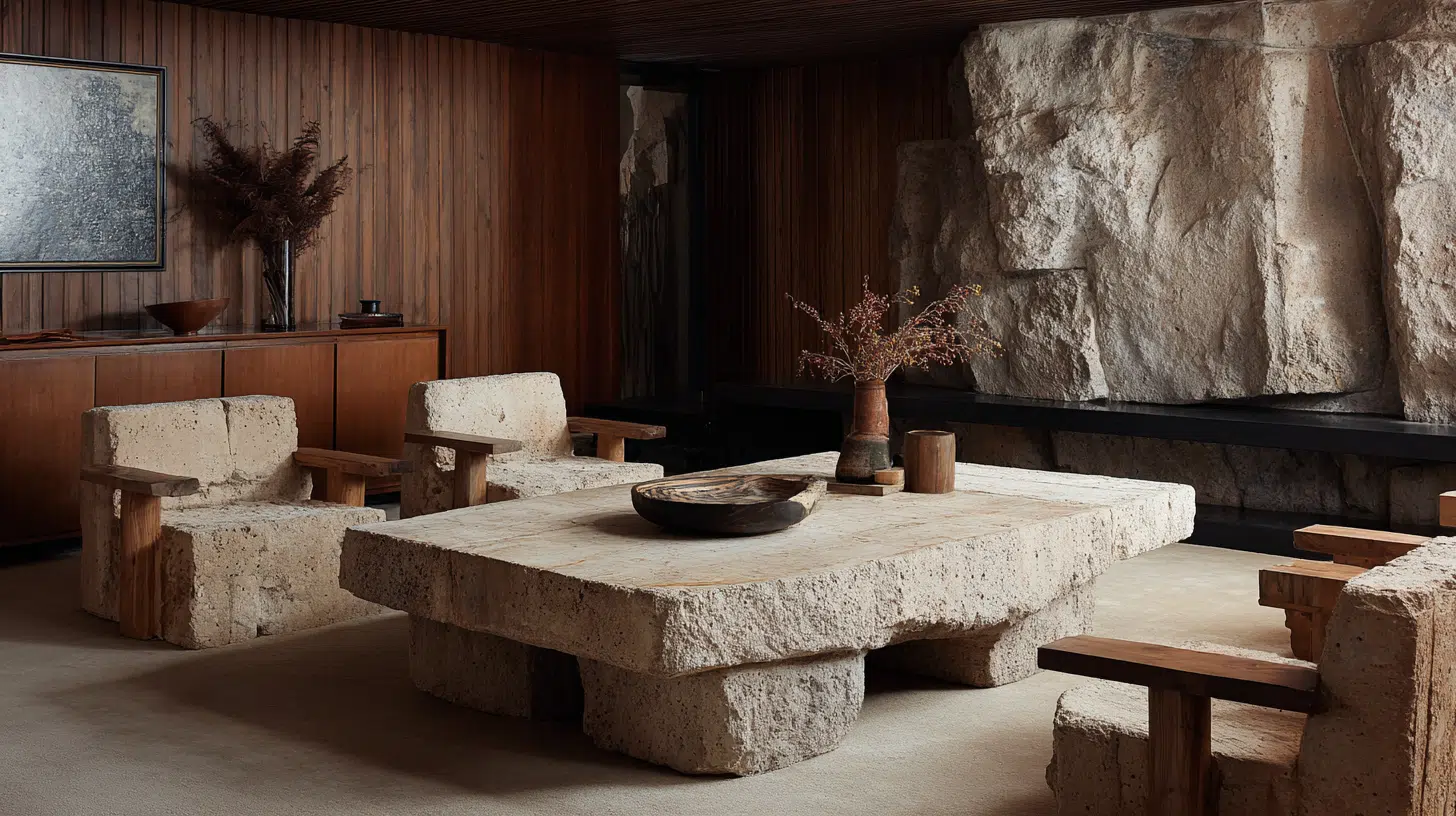
Brutalist furniture appears to be carved from a single block of material. Tables, chairs, and cabinets appear massive and weighty. These pieces often lack traditional joinery details.
Instead, they showcase continuous surfaces and solid construction.
Think coffee tables that seem hewn from stone or wooden benches without visible seams.
Designer Claudio Silvestrin takes this idea into luxury homes; his stone tables and benches look like they were carved from a single block.
2. Repetitive Modular Elements
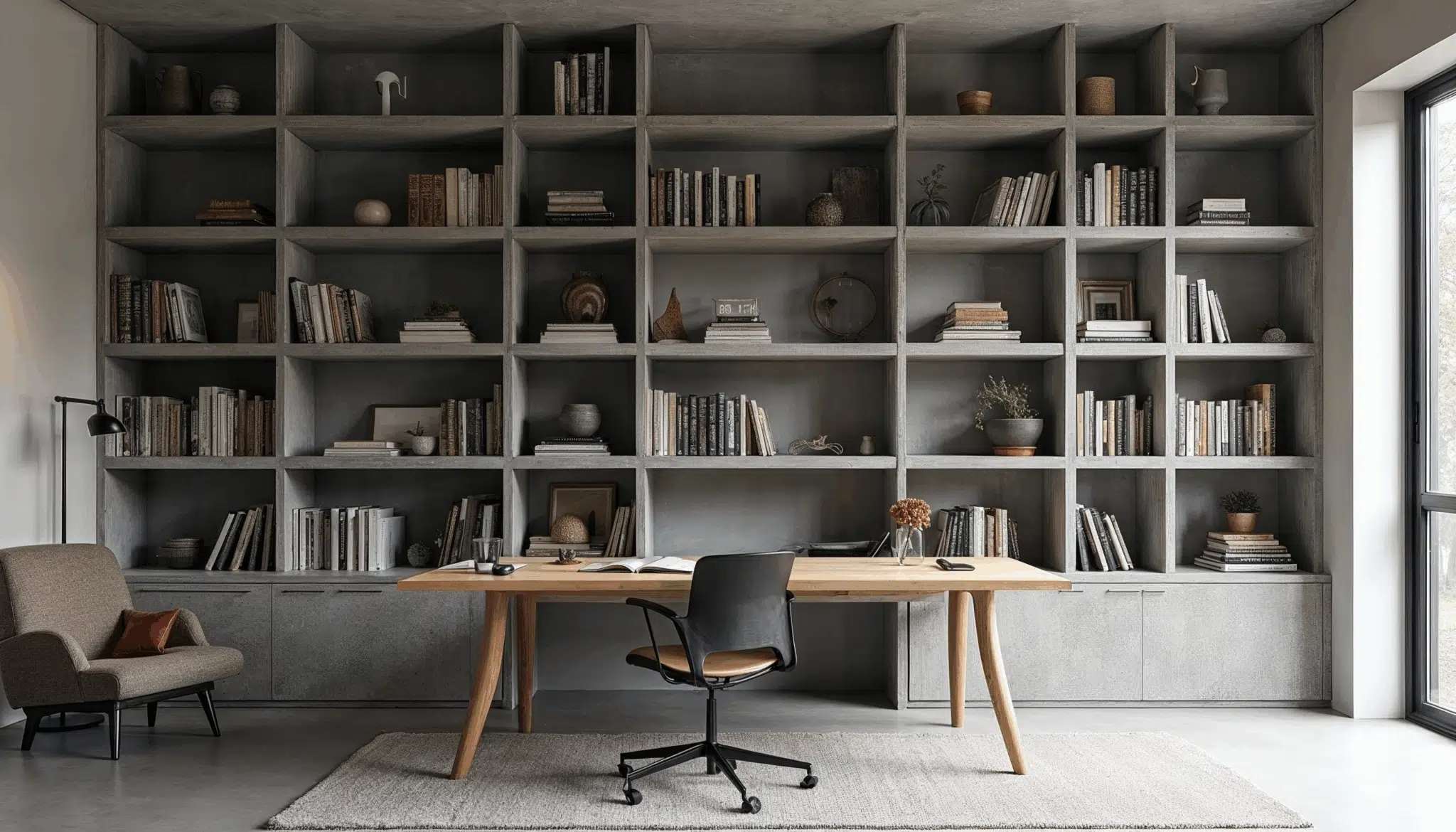
A pattern emerges through the repetition of geometric shapes and forms.
You’ll see identical shelving units lined up in rows. Square or rectangular modules create visual rhythm across walls. This repetition builds visual strength while maintaining a sense of order.
The effect feels both mathematical and organic simultaneously.
3. Textural Wall Treatments
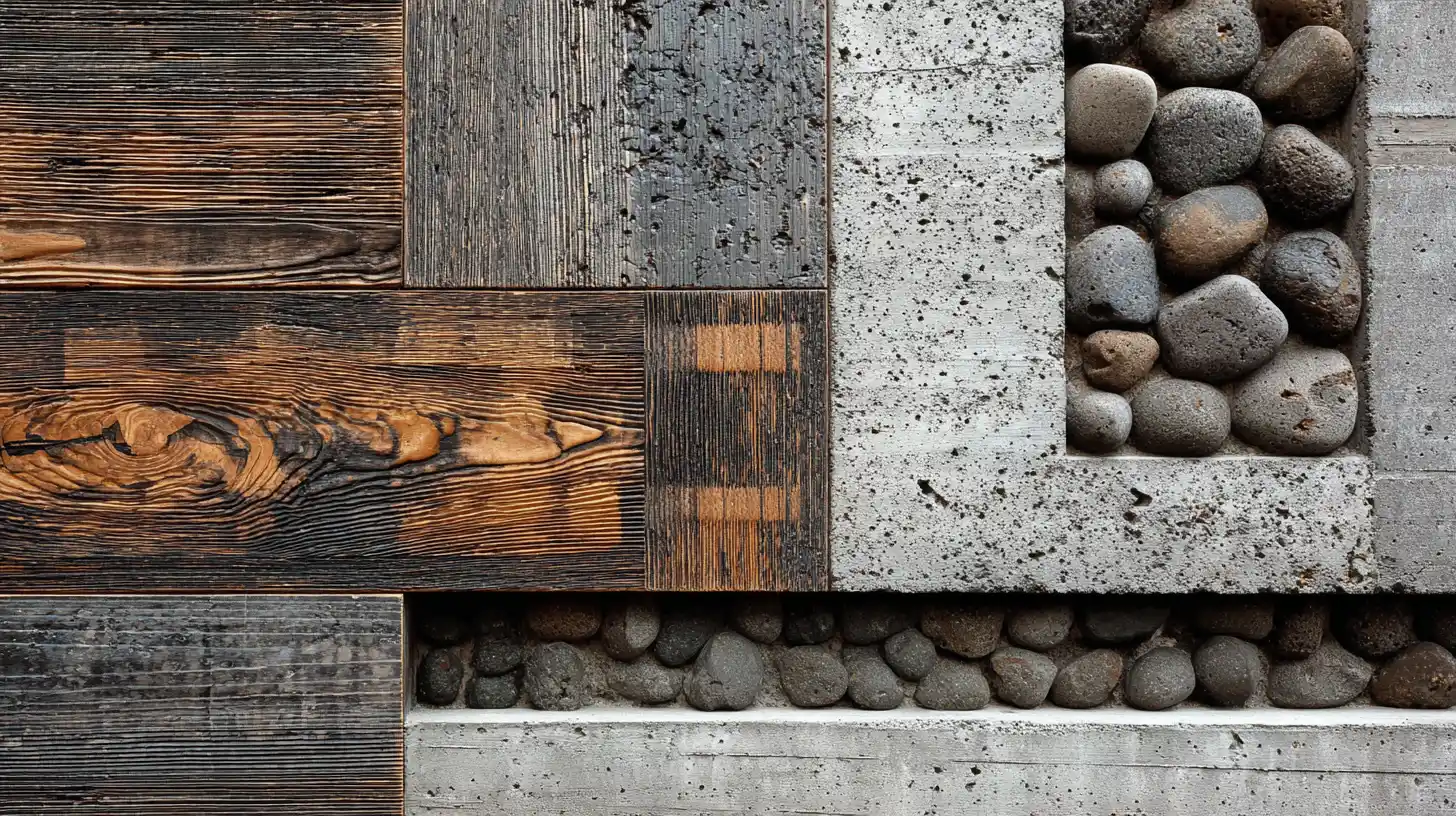
Board-formed concrete derives its texture from wooden boards that hold the wet concrete. The wood grain transfers onto the surface as it sets.
You can choose the plank width and pattern before pouring, making it a deliberate design choice.
Some walls feature deep grooves or raised geometric patterns.
Japanese brutalist interior designer Tadao Ando has made this his signature. His concrete walls carry the grain of the wooden formwork, turning the surface itself into the decoration.
These treatments add visual interest without requiring paint or wallpaper.
4. Fortress-Like Privacy Elements
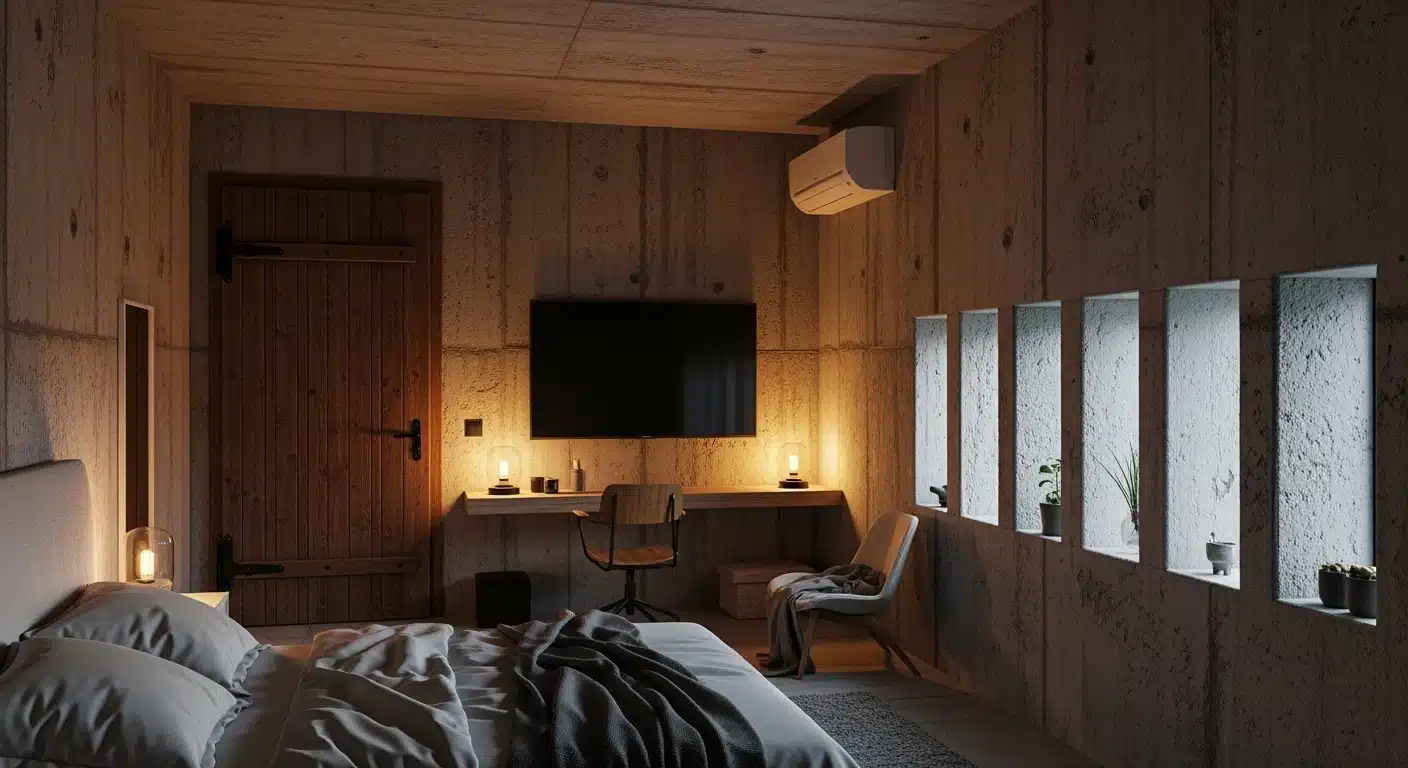
Windows appear as narrow slits or small squares rather than large openings.
Thick walls create deep window sills perfect for displaying objects.
Entry doors feel substantial and heavy. These features create a sense of protection and enclosure. Rooms feel like private retreats from the outside world.
Narrow windows are part of the brutalist character, but they quite reduce natural light. In residential spaces, pairing them with well-placed artificial lighting is mandatory.
5. Cantilever and Overhang Details
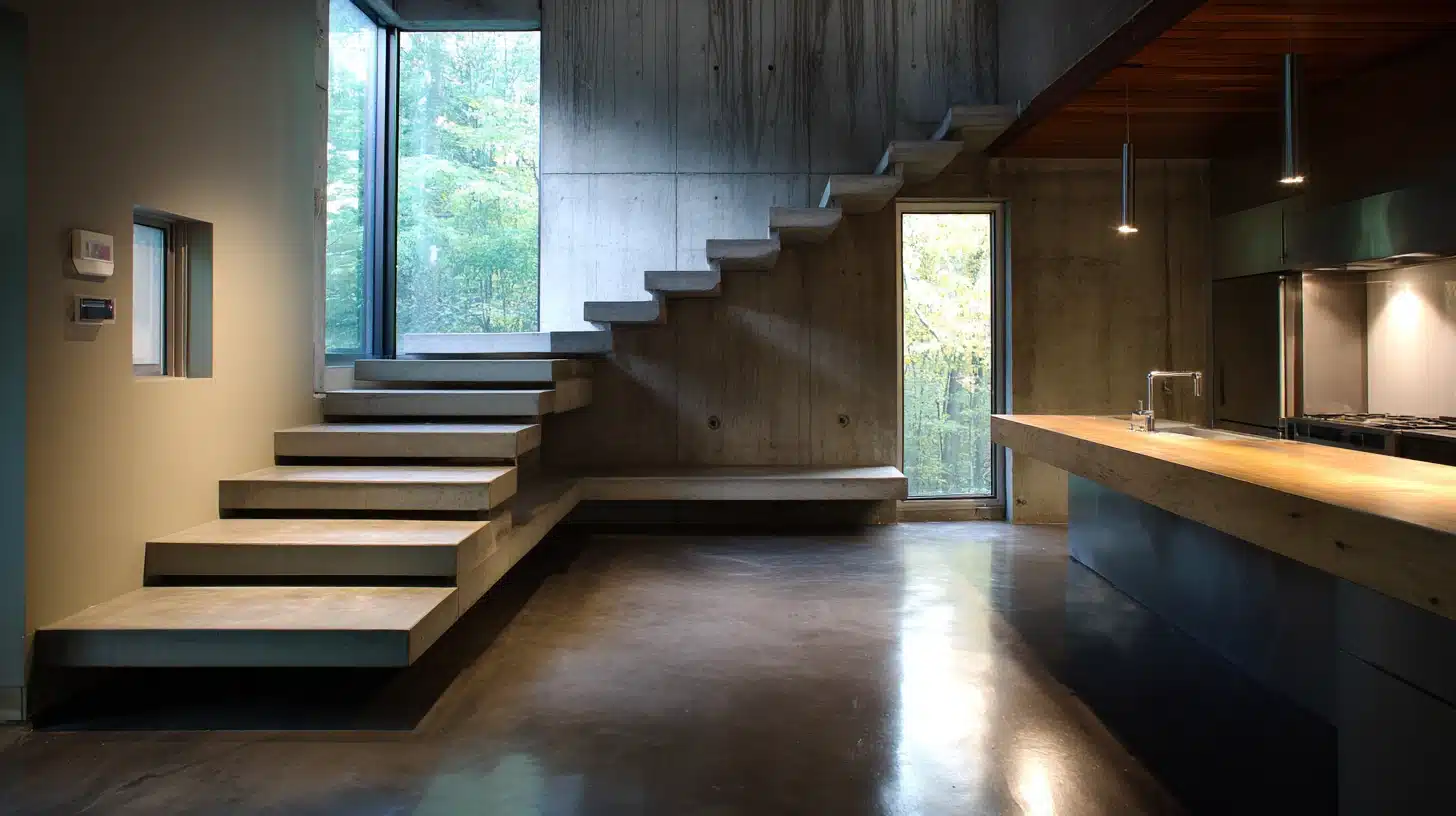
Structural elements extend beyond their support points, creating dramatic overhangs.
Floating staircases attach to walls without visible supports underneath.
Kitchen counters project from the walls like shelves. These cantilever features demonstrate engineering prowess while adding visual drama to otherwise simple spaces.
6. Integrated Built-In Systems
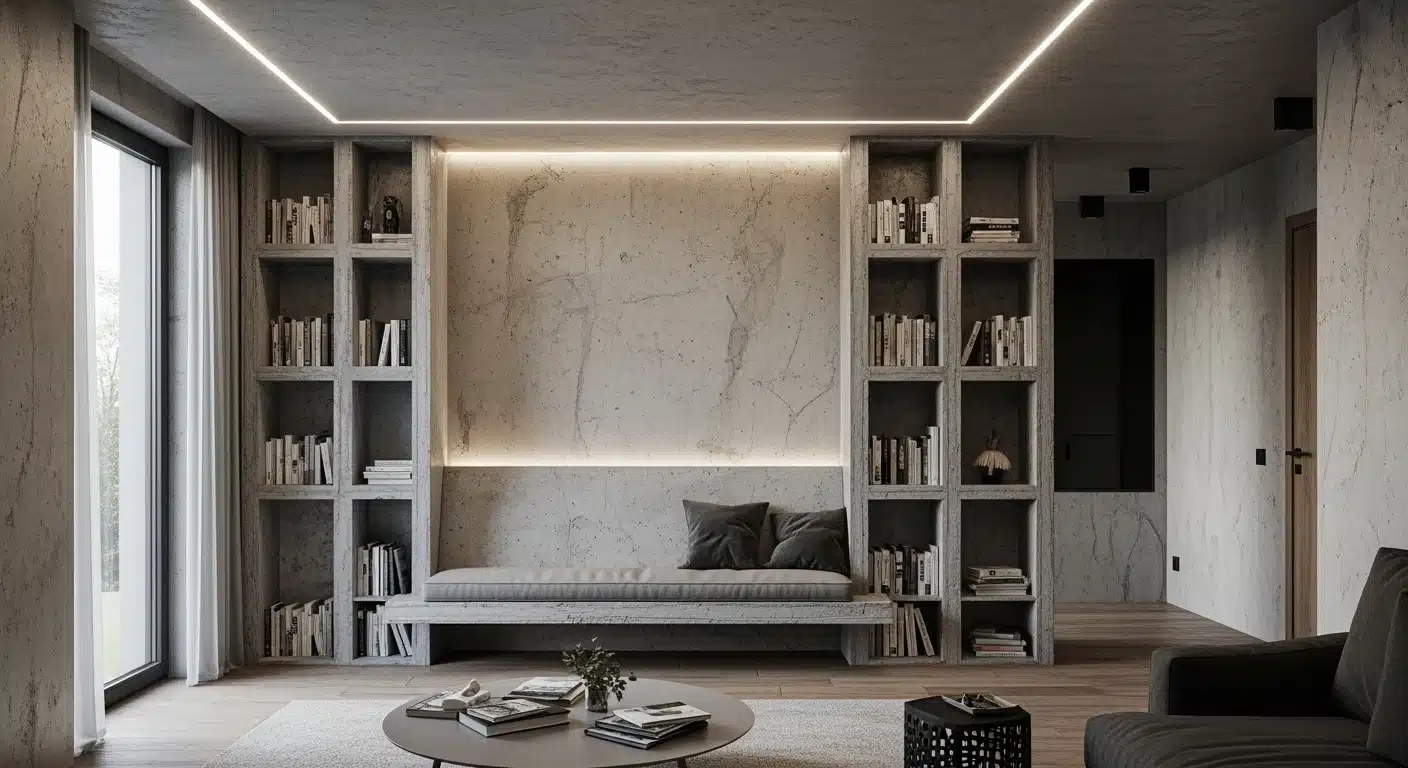
Storage, seating, and lighting become permanent parts of the architecture. Built-in bookcases stretch from floor to ceiling without breaks. Bench seating emerges directly from concrete walls.
Light fixtures are embedded in ceilings and walls.
This integration eliminates furniture clutter while creating clean, uninterrupted lines throughout the space.
7. Dramatic Scale Contrasts
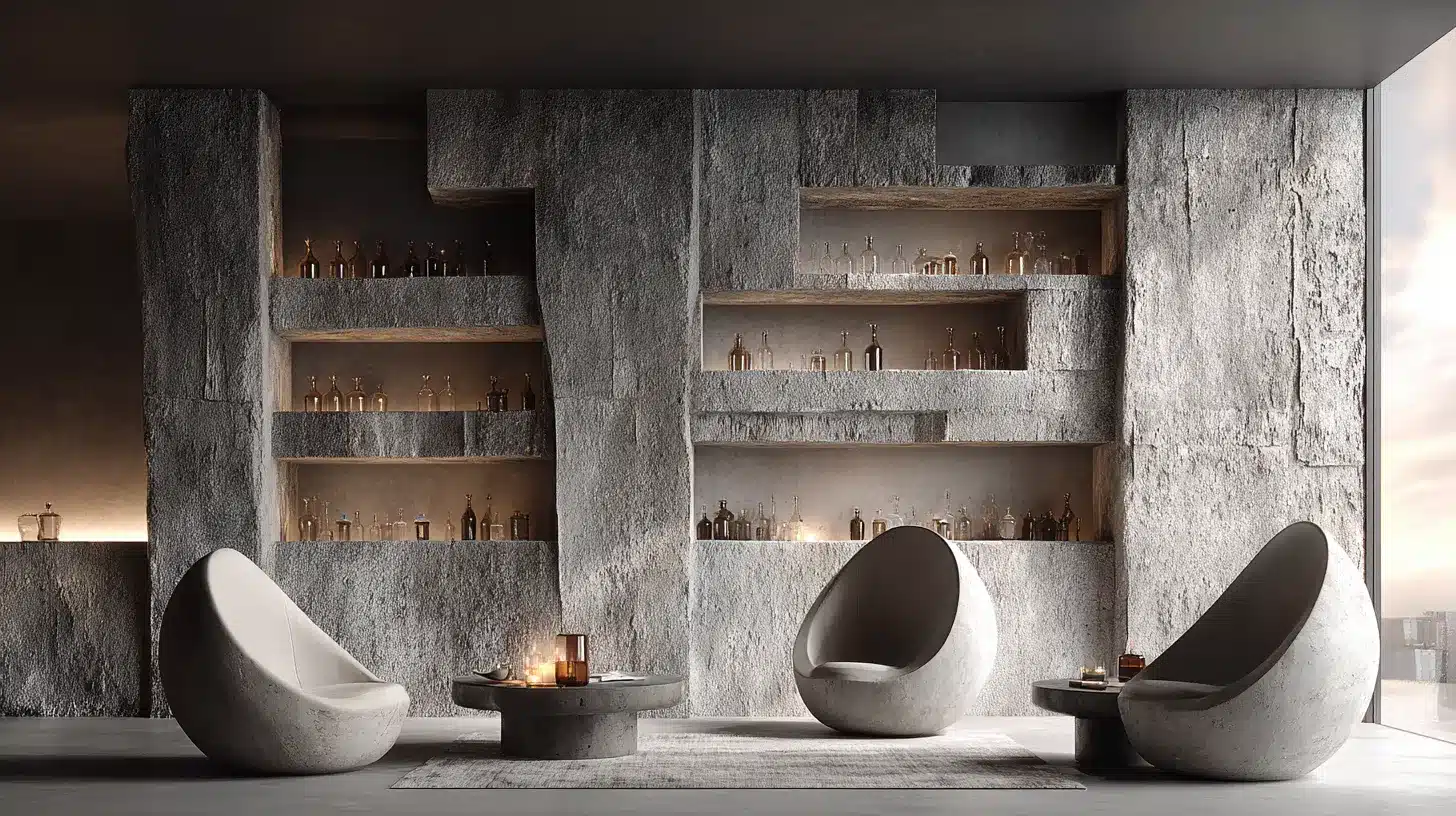
Small objects appear alongside oversized elements, creating visual tension.
Tiny decorative items sit on massive concrete shelves. Delicate glassware contrasts with heavy stone surfaces.
Human-scale seating pairs with monumental wall installations. These scale jumps make spaces feel both intimate and grand at the same time.
What is Neo Brutalism Interior?
Neo-brutalism softens the harshness of the original movement for modern living, retaining the geometric forms and concrete, while adding warmth with wood, textiles, and improved lighting.
Axel Vervoordt describes his approach as ‘wabi-sabi brutalism,’ pairing bare concrete with aged linen, worn wood, and low lighting.
The roughness of the wall and the softness of the textile do the work together.
This updated approach prioritizes comfort without losing the style’s bold character.
You’ll see concrete with brass fixtures, raw walls with cozy seating, and industrial elements combined with natural materials to create a warmer atmosphere.
How is it Different from Modern Brutalism?
| Feature | Modern Brutalism | Neo-Brutalism |
|---|---|---|
| Material Focus | Pure concrete and steel dominance | Mixed materials with concrete accents |
| Color Approach | Strict gray and neutral palettes | Warm tones with selective color pops |
| Texture Treatment | Raw, unfinished surface emphasis | Refined textures with smooth finishes |
| Scale Preference | Monumental and oversized proportions | Human-scaled and comfortable sizing |
| Comfort Level | Function over comfort prioritization | Comfort balanced with brutalist aesthetics |
Both approaches honor brutalist principles while serving different lifestyle needs.
Your choice depends on how much raw authenticity versus modern comfort you prefer.
Why Was Brutalism Controversial?
Many brutalist buildings from the 1960s and 70s had poor waterproofing. Concrete is porous, and without proper sealant and drainage, water causes steel reinforcement to rust and structures to crack.
The failures were due to poor construction budgets, not brutalism.
Brutalism sparked heated debates from the moment it emerged. Critics called the buildings cold, inhuman, and oppressive. The style’s association with social housing projects didn’t help its reputation.
Many people found brutalist structures intimidating and fortress-like. The massive concrete blocks reminded some of prisons rather than homes.
Poor construction quality in some projects led to leaking roofs and cracking walls, tarnishing the style’s reputation.
The movement also faced class criticism. Upper-class neighborhoods rejected brutalist buildings while working-class communities got stuck with poorly built versions.
This created unfair associations between brutalism and urban decay.
Supporters praised its honesty and functionality, valuing its use of raw materials and bold forms. Many former critics now recognize the architectural value and craftsmanship of well-executed brutalism.
Is Brutalist Architecture the Same as Industrial Interior?
No, they are not the same. They share some materials, but the thinking behind them is different.
Industrial design draws on factories and warehouses.
It marks exposed pipes, brick walls, and salvaged metal. The feel is relaxed and lived-in.
Brutalist interiors are more deliberate.
Every surface, every weight, every angle is a conscious choice. There is no “accidental” detail.
Industrial style borrows from workspaces. Brutalism borrows from architecture itself. One feels like a converted loft. The other feels like it was always meant to be exactly this way.
Why Brutalism is Making an Interior Design Comeback?
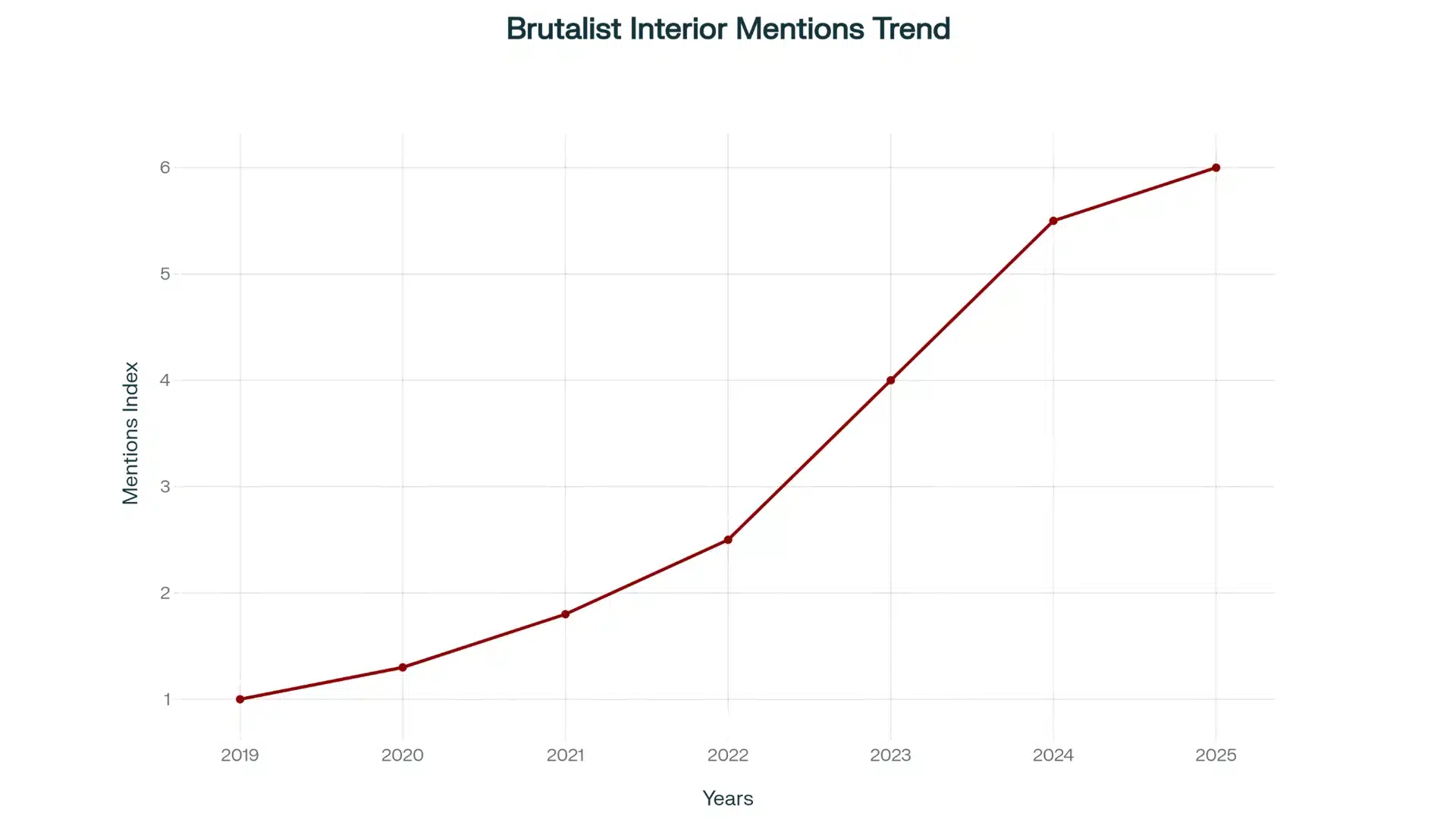
Brutalist interior design is gaining popularity as people shift from overly polished styles. It features exposed concrete, geometric shapes, and functional simplicity, but is modern.
Versions soften the stark look with warm lighting, wood, plants, and textured fabrics.
Interest has surged, with real estate listings citing brutalism up over 450%.
Its appeal lies in authenticity, raw materials, and sustainability. Today’s “soft brutalism” blends concrete with warmth, while industrial details pair with natural accents for balance.
This revival reflects a cultural shift toward durable, honest, and calming interiors suited for modern urban life.
How Brutalism Appears in Modern Homes
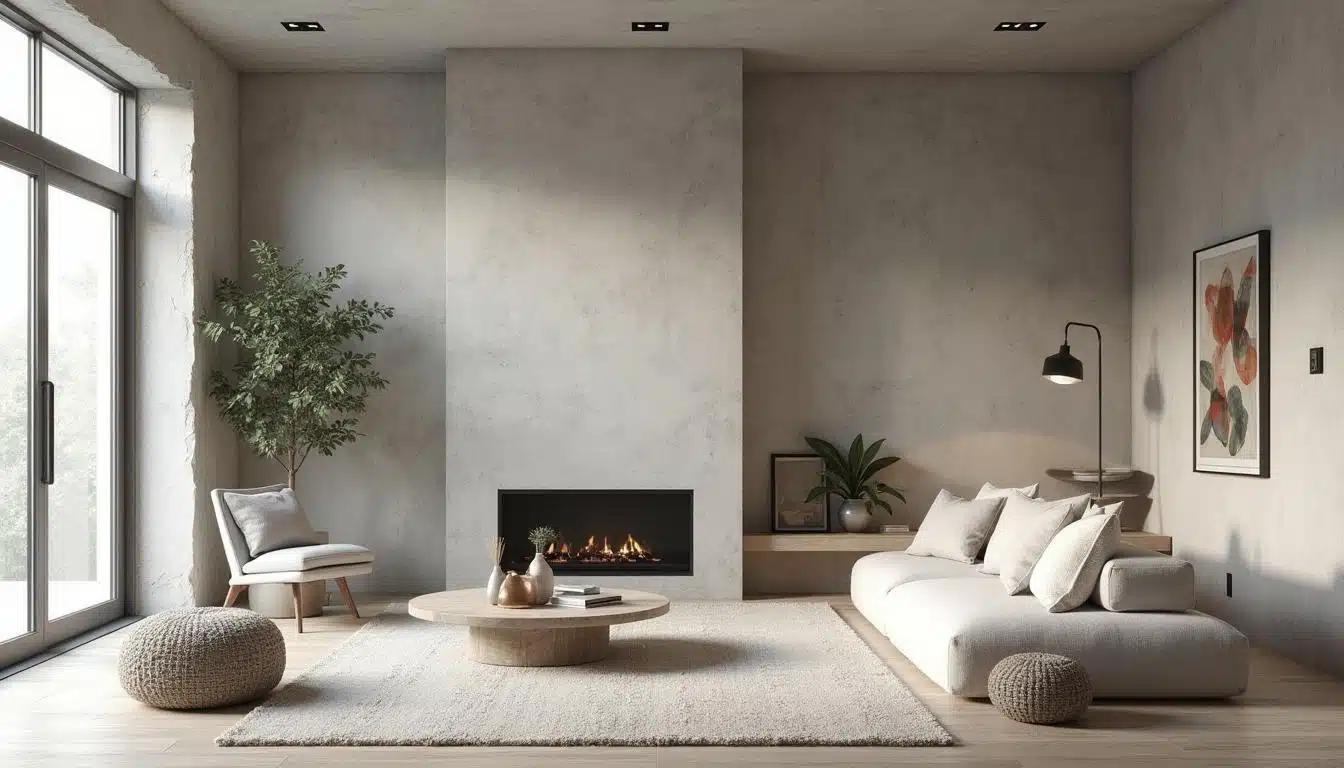
Here’s how the style translates into comfortable, contemporary living.
- Statement walls in exposed brick or raw concrete
- Chunky wooden furniture with bold, blocky geometric silhouettes
- Black metal lighting fixtures featuring strong angular shapes
- Neutral color palettes with charcoal grays and wood
- Soft textiles like wool rugs balance harsh materials
The goal is to create a mood, not museum replicas. Today’s brutalist homes blend raw materials with warmth, achieving spaces that feel both edgy and welcoming.
Community Conversations and Insights
A Reddit discussion on brutalist architecture interior design shows mixed opinions.
Some users admire its raw honesty and cite examples such as hotels in Mexico or Ricardo Bofill’s The Factory as inspiring cases.
Others highlight overlaps and differences between brutalism and modern industrial styles.
Many criticize interiors as cold, harsh, or prison-like, raising concerns about safety, comfort, and livability for families or guests.
Some defend brutalism as a unique style, appreciating its boldness and layered possibilities.
Overall, the thread reflects a sharp divide: enthusiasts value the strength and scale of the style, while critics see it as unwelcoming and impractical.
Wrapping It Up
The Brutalist interior offers something rare in today’s modern interior style, honest beauty achieved through raw materials and bold forms.
It’s all about adding substance and authenticity to daily life.
Start small if the style feels intimidating. Add one concrete element or geometric furniture piece.
See how it changes the energy of your space.
Brutalist interior design tells you to be bold, genuine, and unapologetically different. That’s worth building on.
Frequently Asked Questions (FAQ’s)
1. Does Brutalist Interior Design Work in Small Apartments?
Yes, one raw concrete wall and a single heavy piece of furniture can carry the style without taking over a small space.
2. Is Concrete Safe to Use on Interior Walls Without Sealing?
No, unsealed concrete is porous, absorbs moisture, and can develop mold over time, so sealing is always necessary for interior walls.
3. How do I Add Heat to A Brutalist Room Without Losing the Style?
Swap harsh white bulbs for 2700K warm lighting, add a wool rug, and bring in one piece of aged wood; the concrete stays, the cold goes.
4. How Much Does a Brutalist Interior Renovation Typically Cost?
A basic concrete wall finish starts around $3–$8 per square foot, while a full brutalist renovation with built-ins and custom stone pieces can run $50,000–$150,000 depending on scale and materials.