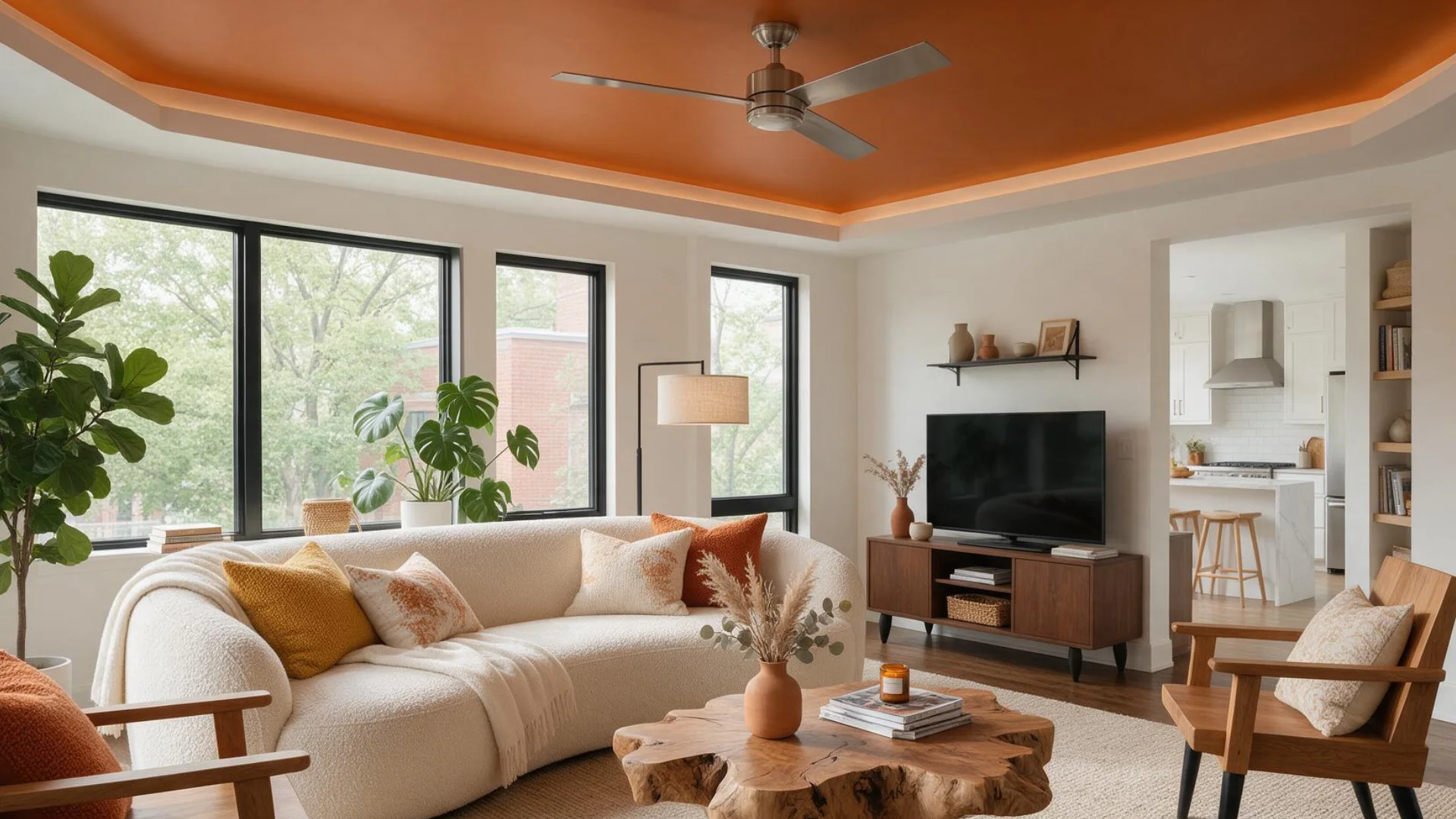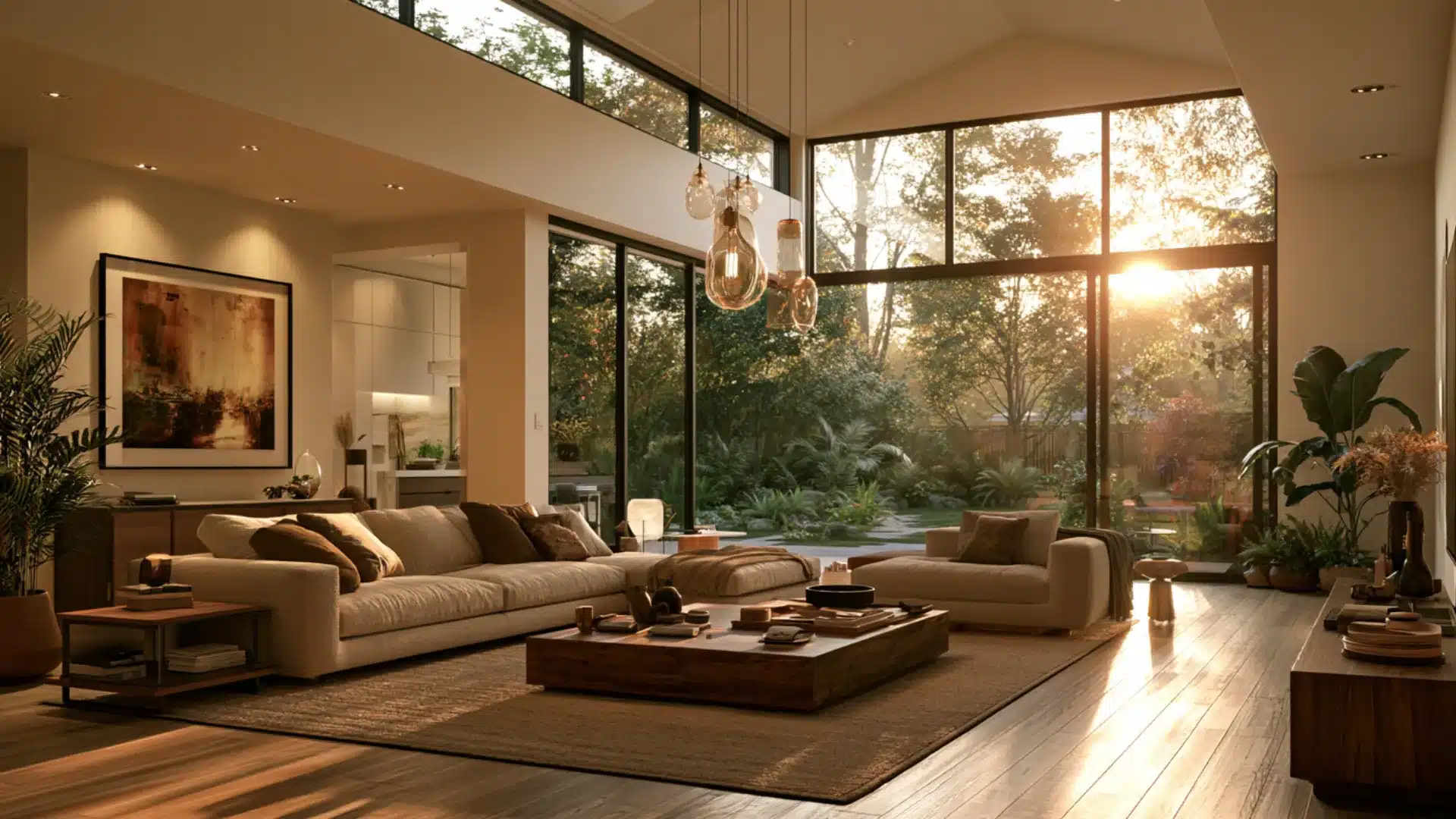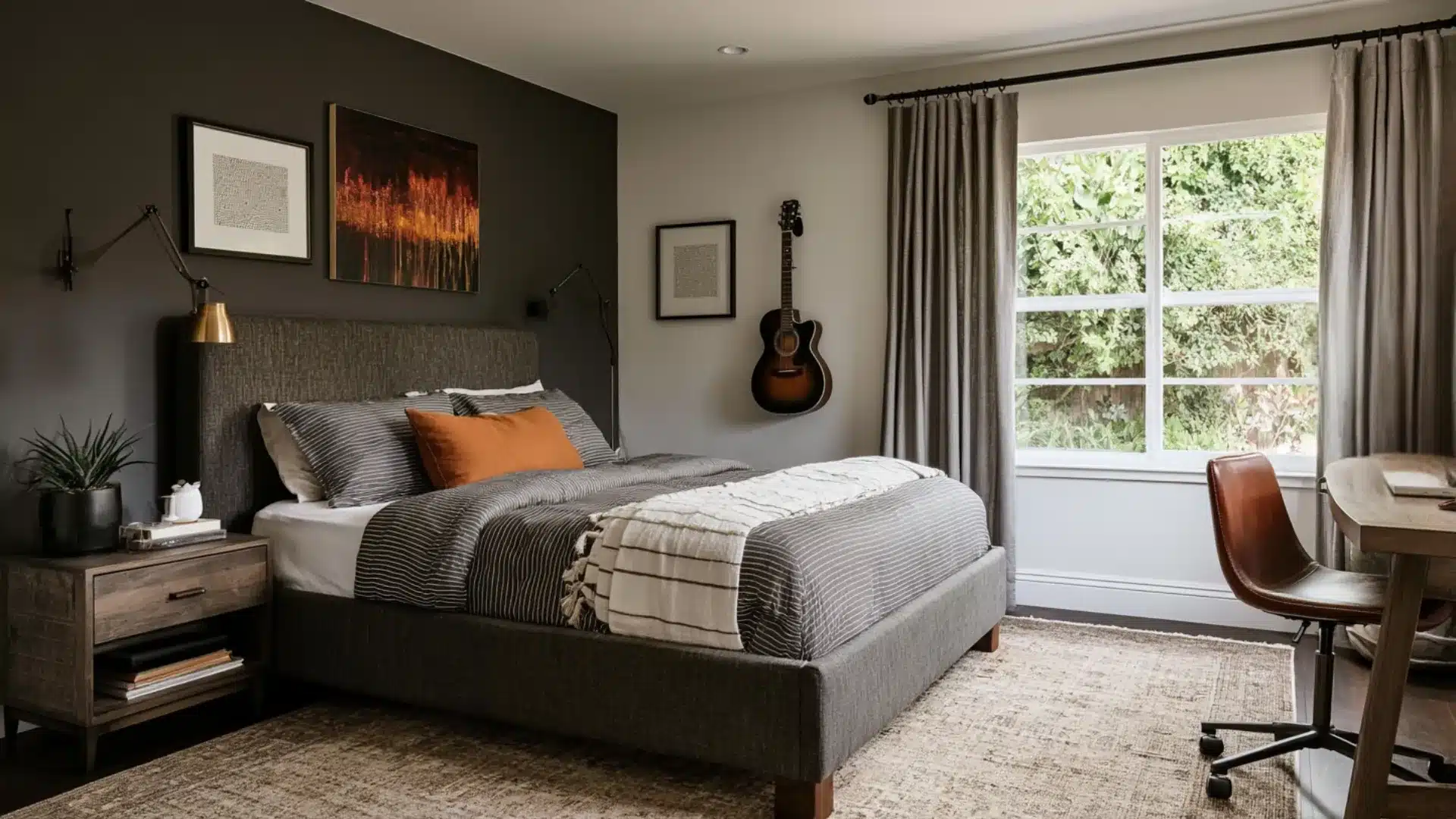
Sometimes, modern interiors feel cold and impersonal. You crave something softer. Something that feels lived-in and real.
That’s exactly what cottagecore interior design gives you.
It brings nature indoors, adds depth to every corner, and makes your space feel genuinely comfortable.
You don’t need a countryside cottage to pull this off. Anyone can create this look, no matter where they live.
In this blog, you will find everything you need to know about cottagecore home styling.
The Origin and Rise of Cottagecore
Around 2018, a quiet movement began on social media platforms like Tumblr and Instagram.
People were tired of fast-paced city life. They wanted something slower, simpler, and more grounded. So they started sharing images of wildflowers, bread-baking, linen aprons, and sunlit cottages.
By 2020, the trend took off. Lockdowns pushed people indoors, and suddenly, the idea of an amiable, nature-filled home felt more appealing than ever.
Cottagecore gave people an escape, both visual and emotional, right inside their own homes.
What is Cottagecore Interior Design?
This is a style that draws inspiration from rural, countryside living. It celebrates simplicity, nature, and a slower pace of life.
Think worn wood, floral prints, soft linens, and mismatched vintage pieces all coming together to create an attractive space.
So, why is it trending? A few reasons stand out:
- It feels personal: Every piece tells a story.
- It’s sustainable:Thrifted and secondhand items are a big part of the look.
- It’s accessible: You don’t need a big budget to get started.
- It’s calming: The natural tones and textures create a peaceful atmosphere.
People are craving spaces that feel real. Cottagecore delivers exactly that.
Essential Elements of Cottagecore Design
Getting the cottagecore look right comes down to its details.
These are the key elements that bring the style to life. Each one adds its own layer of comfort, texture, and personality to your space.
Vintage Decor and Thrifted Finds
You don’t need to buy everything new.
In fact, older pieces work better here. Visit thrift stores, flea markets, and antique shops. Look for worn wooden frames, mismatched crockery, and old glass bottles.
These items hold stories and essence. A chipped vase or a faded picture frame fits right into this style.
The more lived-in something looks, the better it works.
Indoor Plants and Wildflower Arrangements
Cottagecore interior design is deeply connected to nature. Plants are non-negotiable. Place potted ferns on windowsills, hang trailing ivy from shelves, and keep small herb pots in the kitchen.
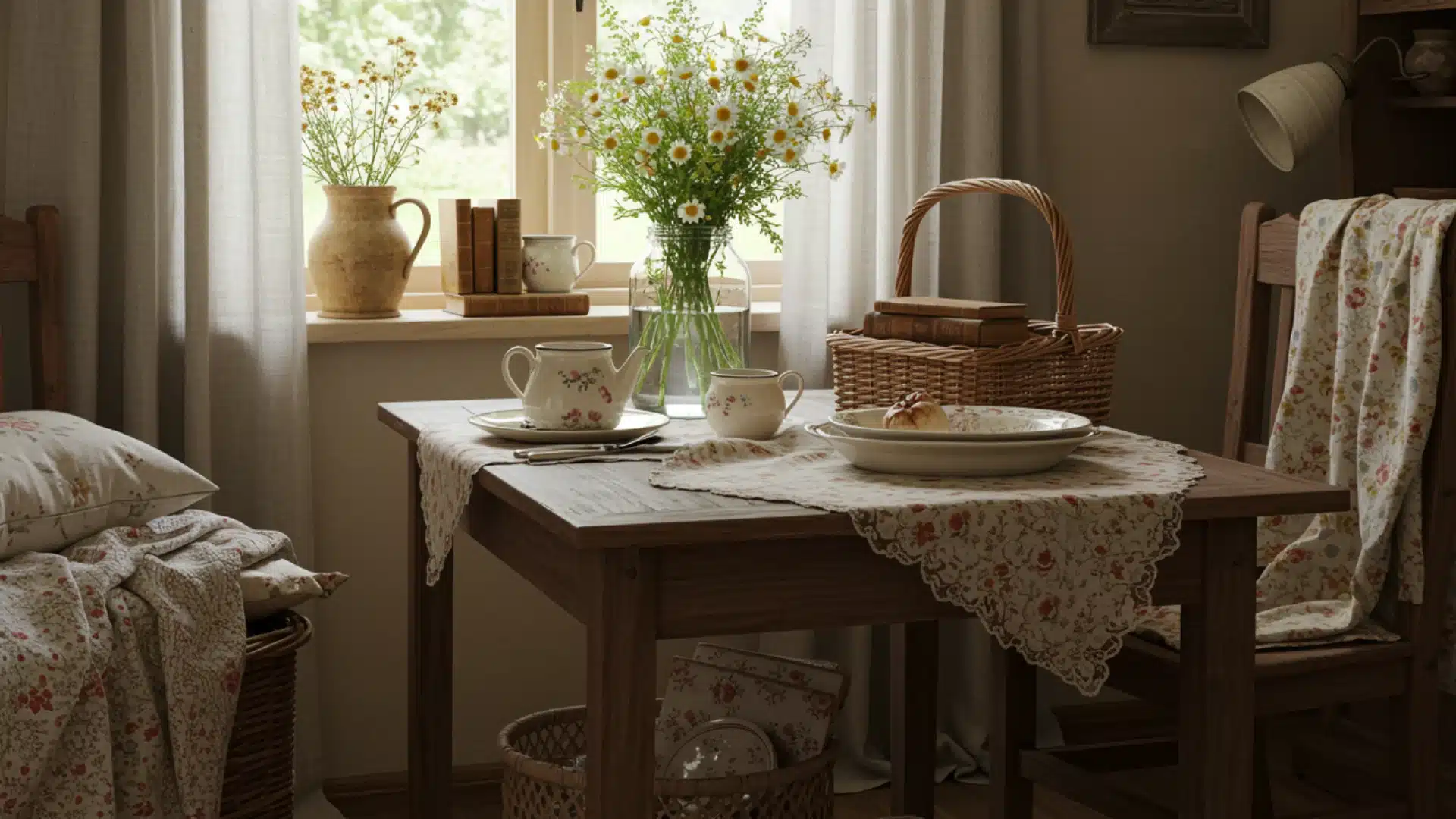
Wildflower arrangements in simple glass jars add a loose, natural feel.
Don’t go for perfectly arranged bouquets. A handful of fresh or dried flowers thrown into a jar looks just right.
Handmade Crafts and Personal Touches
- Crochet throws and knitted cushion covers add softness to any sofa or armchair.
- Hand-painted pottery and ceramic mugs bring a human touch to shelves and tables.
- Macrame wall hangings and woven baskets add texture without overpowering the room.
- Embroidered linens and cross-stitch frames feel personal.
- Items you’ve made yourself, even simple ones, carry the most meaning in this style.
Patterned Wallpaper and Traditional Fabrics
The walls and fabrics you choose set the entire mood.
Cottagecore interior design leans toward floral wallpaper, toile prints, and soft gingham patterns.
On the fabric side, linen, cotton, and wool can be the best options. Layer different patterns without overthinking it. A floral cushion on a striped chair works well here.
Mix textures freely, as a slightly mismatched look is exactly the point.
Lighting With Candles and Lamps
- Avoid harsh overhead lighting. It kills the mood instantly.
- Use table lamps with warm-toned bulbs to create a soft, golden glow.
- Candles are essential. Group them on windowsills, mantels, and side tables.
- Lanterns, both indoor and outdoor, add a rustic touch.
- String lights draped over shelves or bed frames keep things cozy after dark.
Designing Each Room With Cottagecore Inspiration
Every room in your home can carry the cottagecore feel. You just need to know where to start.
Seek how to bring this design into each space, one room at a time.
Cottagecore Living Room
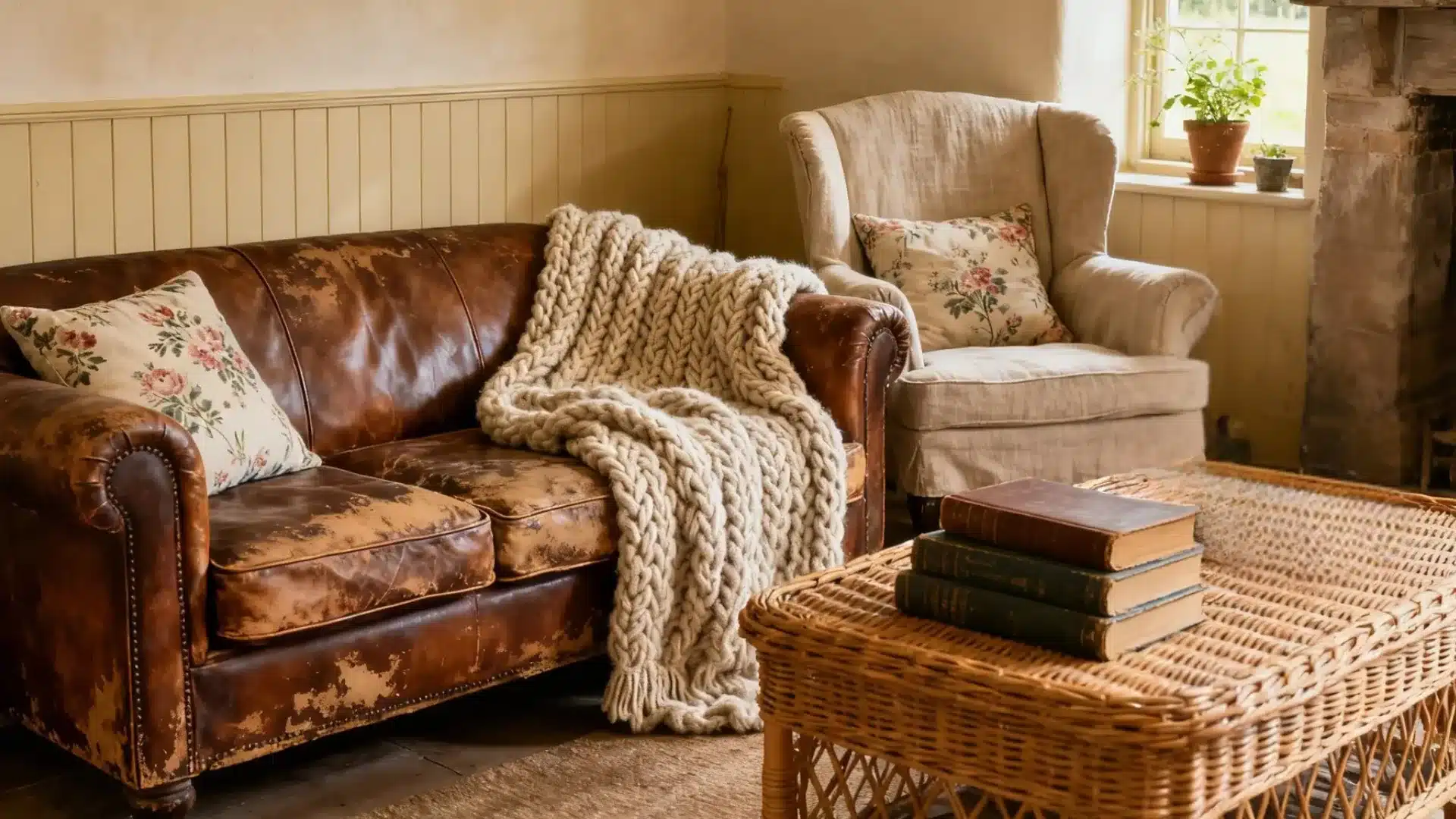
The living room is where the style really comes together.
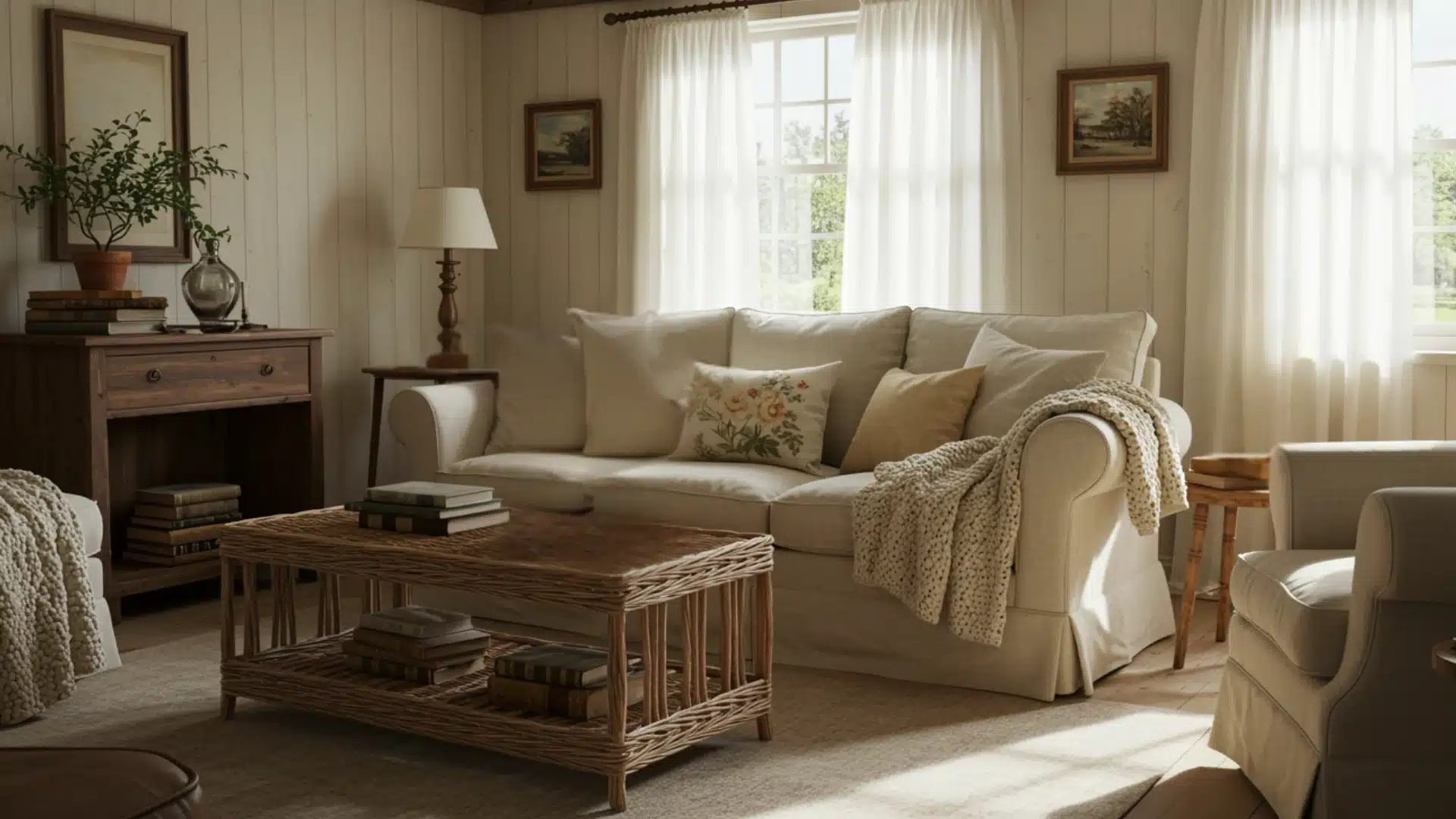
Start with a neutral base, such as cream walls or wood paneling, which work well. Add a worn leather sofa or a linen armchair. Layer in floral cushions, a chunky knit throw, and a wicker coffee table.
Keep a few potted plants nearby. Stack some old books on a side table. Let the room feel full but never forced.
Whimsical Cottagecore Bedroom
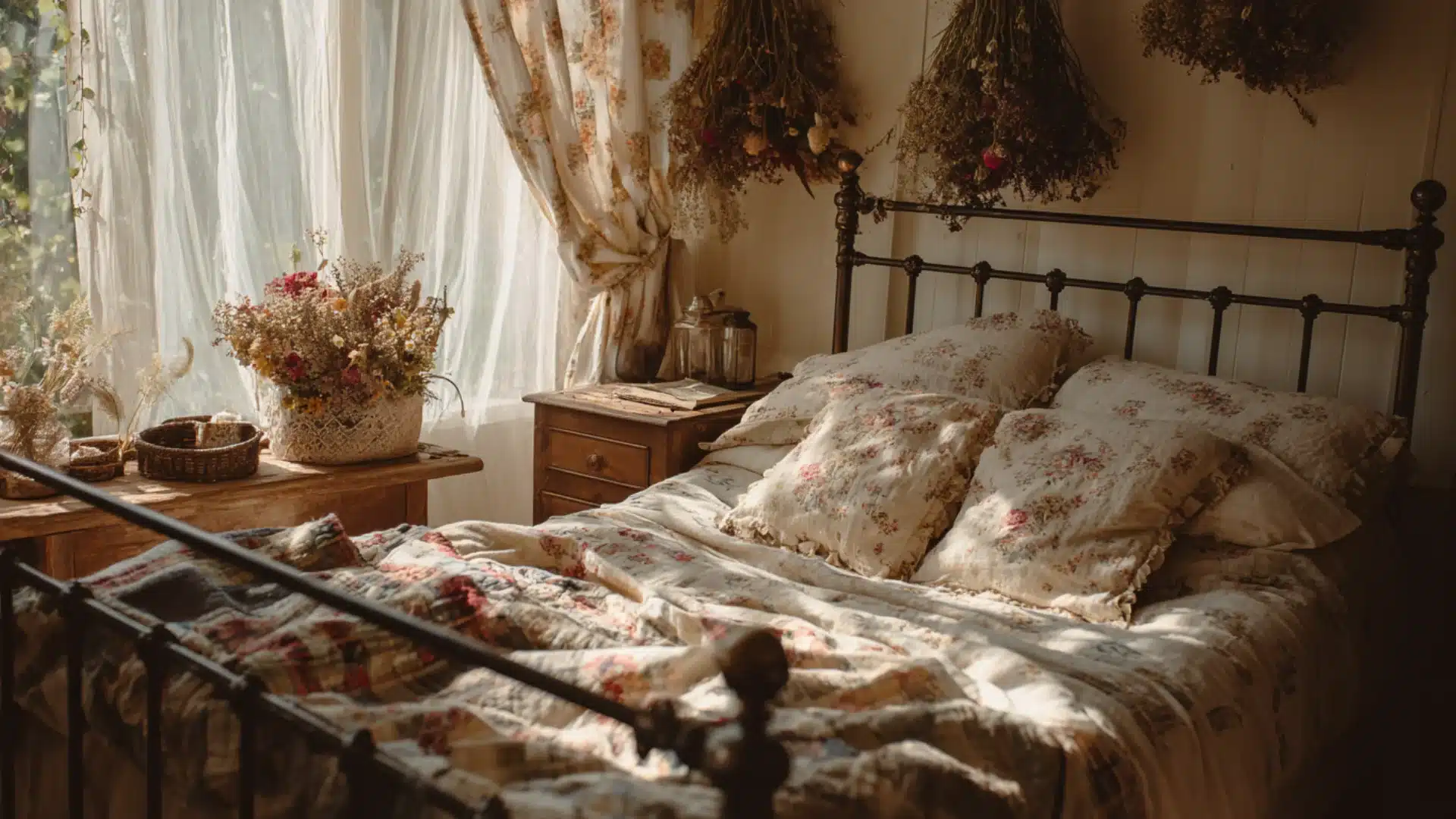
Your bedroom should feel like a retreat from the world.
Dress your bed in soft floral or linen bedding. White and cream tones work best. Add a vintage wooden headboard or an iron bed frame for an old-world feel.
Hang dried flower bundles above the bed or from the ceiling. Place a small potted plant on your bedside table.
Use a patchwork quilt as a throw for extra texture.
Quick Tip: Swap out your synthetic pillowcases for linen ones. It’s a small change that makes a big difference to the overall feel.
Rustic Cottagecore Kitchen Details
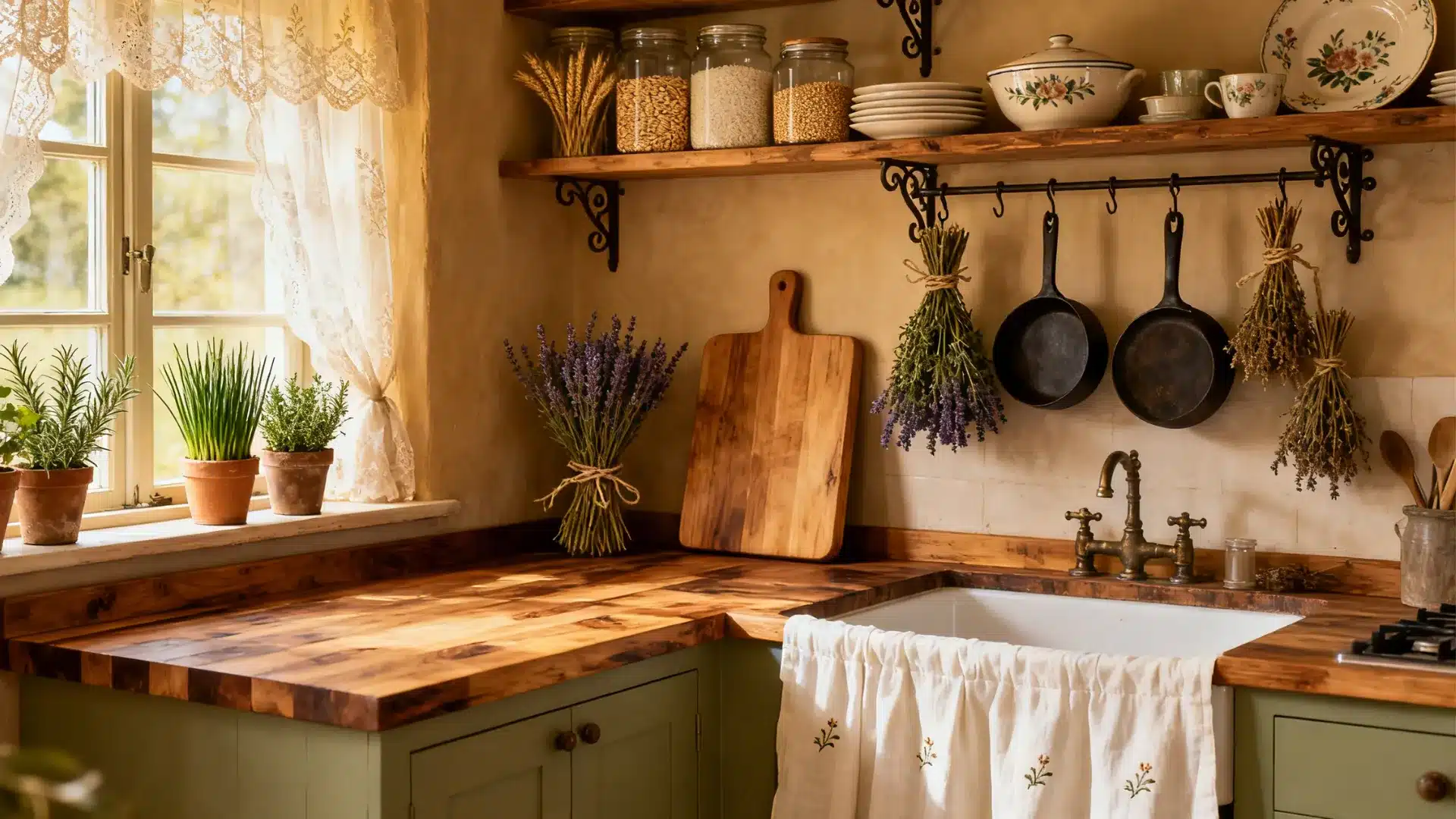
The kitchen is the heart of cottagecore interior design.
Open shelving is perfect for this. Display your everyday ceramics, glass jars filled with grains, and small herb pots on the windowsill.
Use a butcher block countertop if you can. Hang cast iron pans and dried herb bundles from hooks.
A simple linen curtain under the sink serves as a beautiful replacement for a cabinet door.
Cottagecore Bathroom
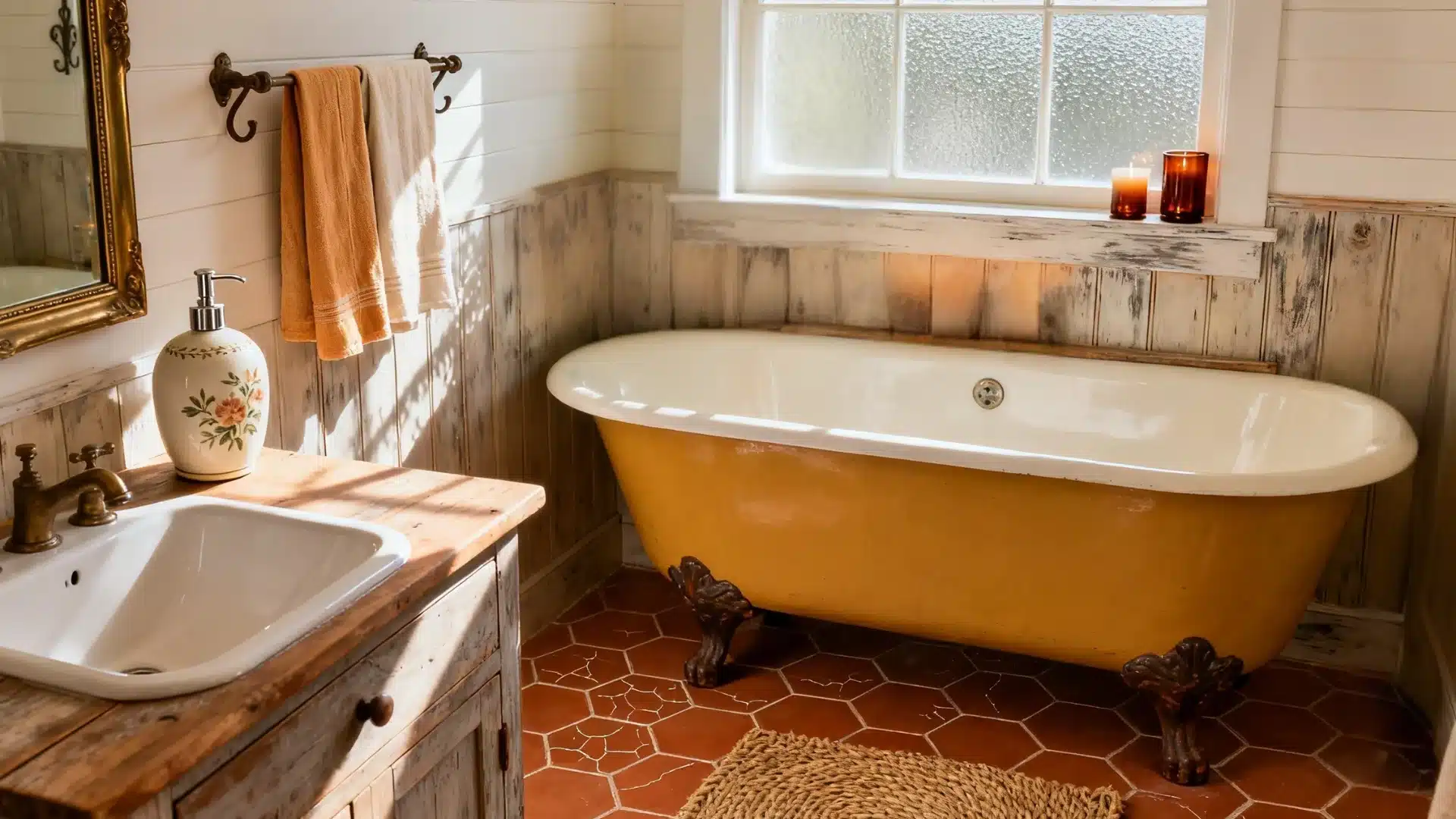
A cottagecore bathroom doesn’t need much to feel special. Small details go a long way:
- Swap plastic dispensers for ceramic or glass soap dishes and bottles.
- Use linen or cotton hand towels in soft tones.
- Place a few pillar candles on the edge of the tub for a relaxed feel.
- A vintage mirror with a wooden or ornate frame ties the whole look together.
Note: Avoid using too many accessories in a small bathroom. Stick to three or four key pieces so the space doesn’t feel cluttered.
Reading Nook and Window Seat
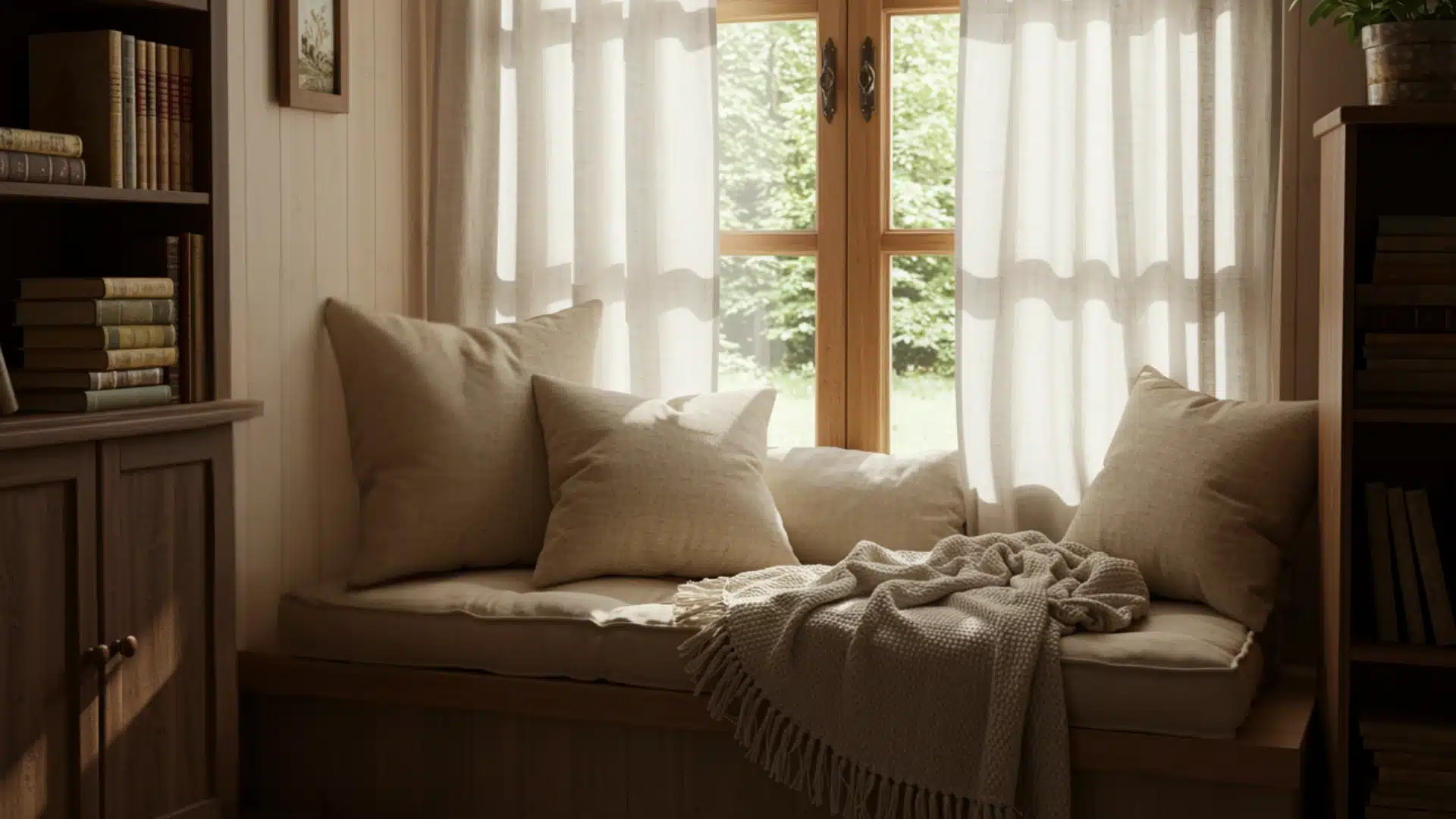
A reading nook is one of the best ways to bring cottagecore interior design to vitality in a small space.
Find a quiet corner or a wide windowsill. Add a cushioned seat, a soft throw, and a few scatter pillows. Keep a small shelf of your favorite books close by.
Natural light is integral here. A sheer linen curtain filters it beautifully without blocking it out.
Benefit: A dedicated reading nook gives you a personal space to slow down and recharge. Even a small corner can become your favorite spot in the whole house.
The Best Paint Colors For Cottage Core Interiors
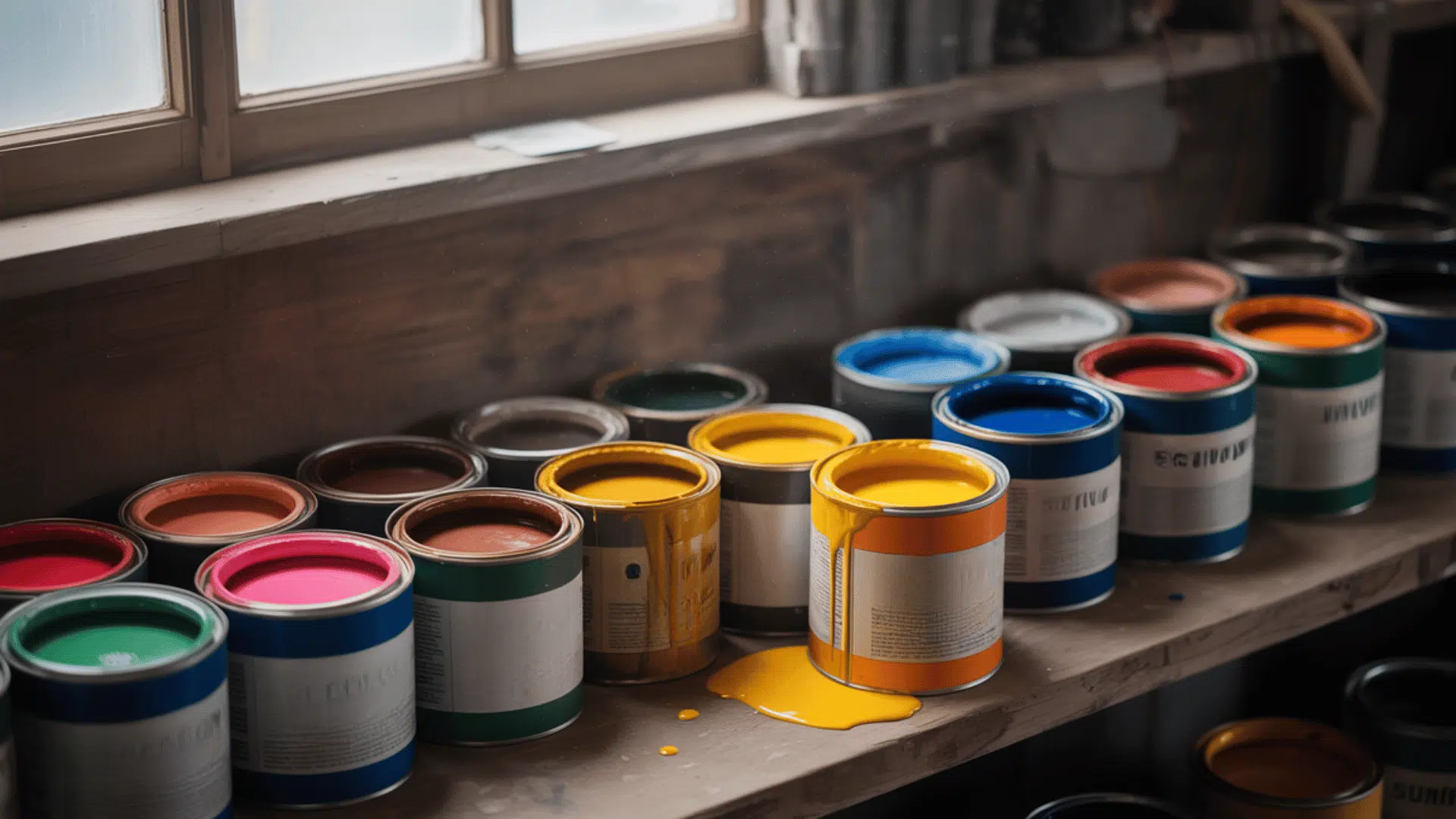
| Color | Best Used For | Atmosphere It Sets | |
|---|---|---|---|
| 1 | Sage Green | Walls, cabinets, accents | Calm, natural, grounded |
| 2 | Subtle Cream | Living rooms, bedrooms | Soft, cozy, inviting |
| 3 | Dusty Rose | Bedroom walls, trims | Romantic, subtle, gentle |
| 4 | Earthy Brown | Accent walls, wooden furniture | Rustic, rich, homely |
| 5 | Soft Lavender | Bathrooms, reading nooks | Peaceful, light, airy |
What is Modern Cottage Style?
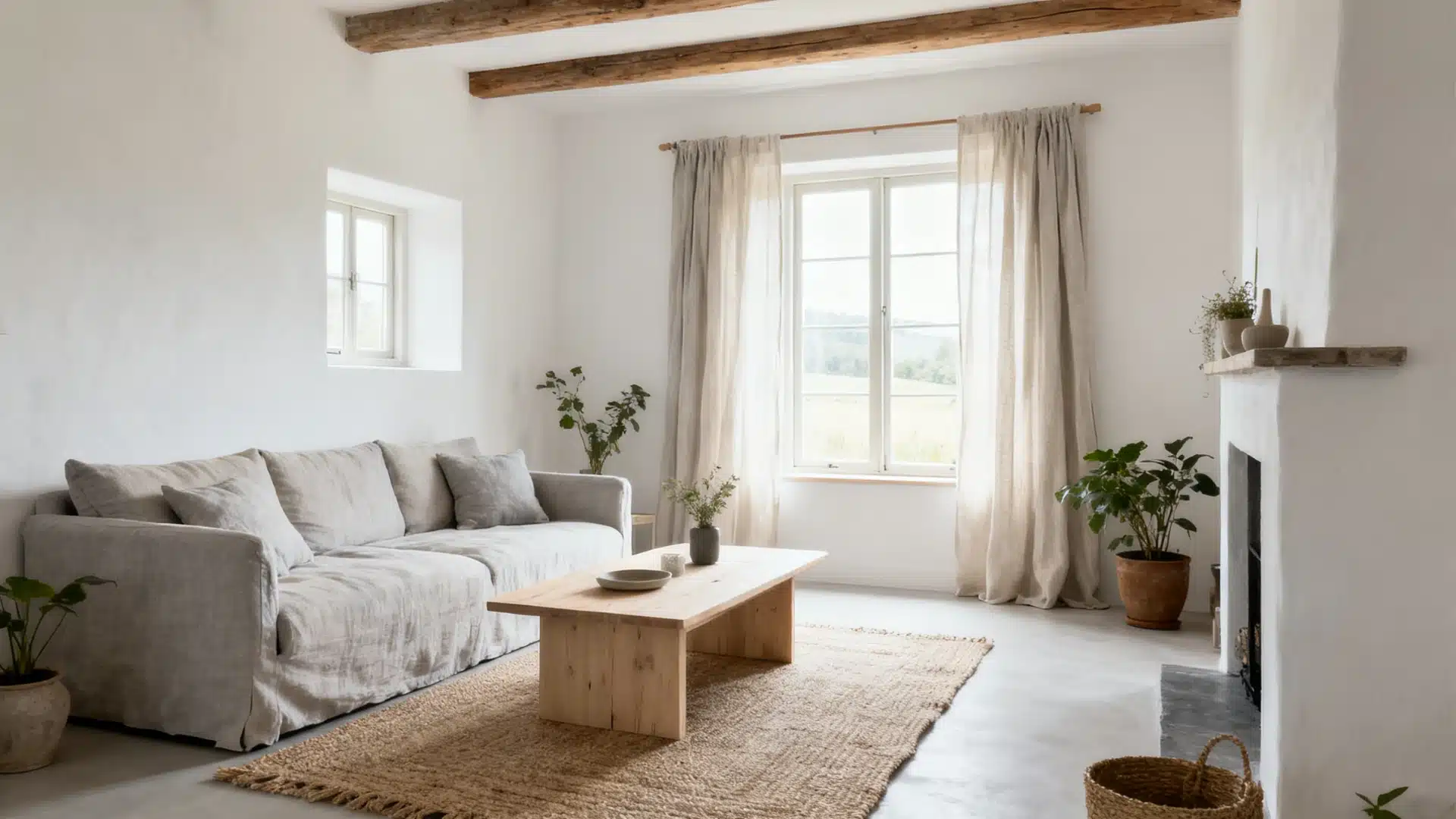
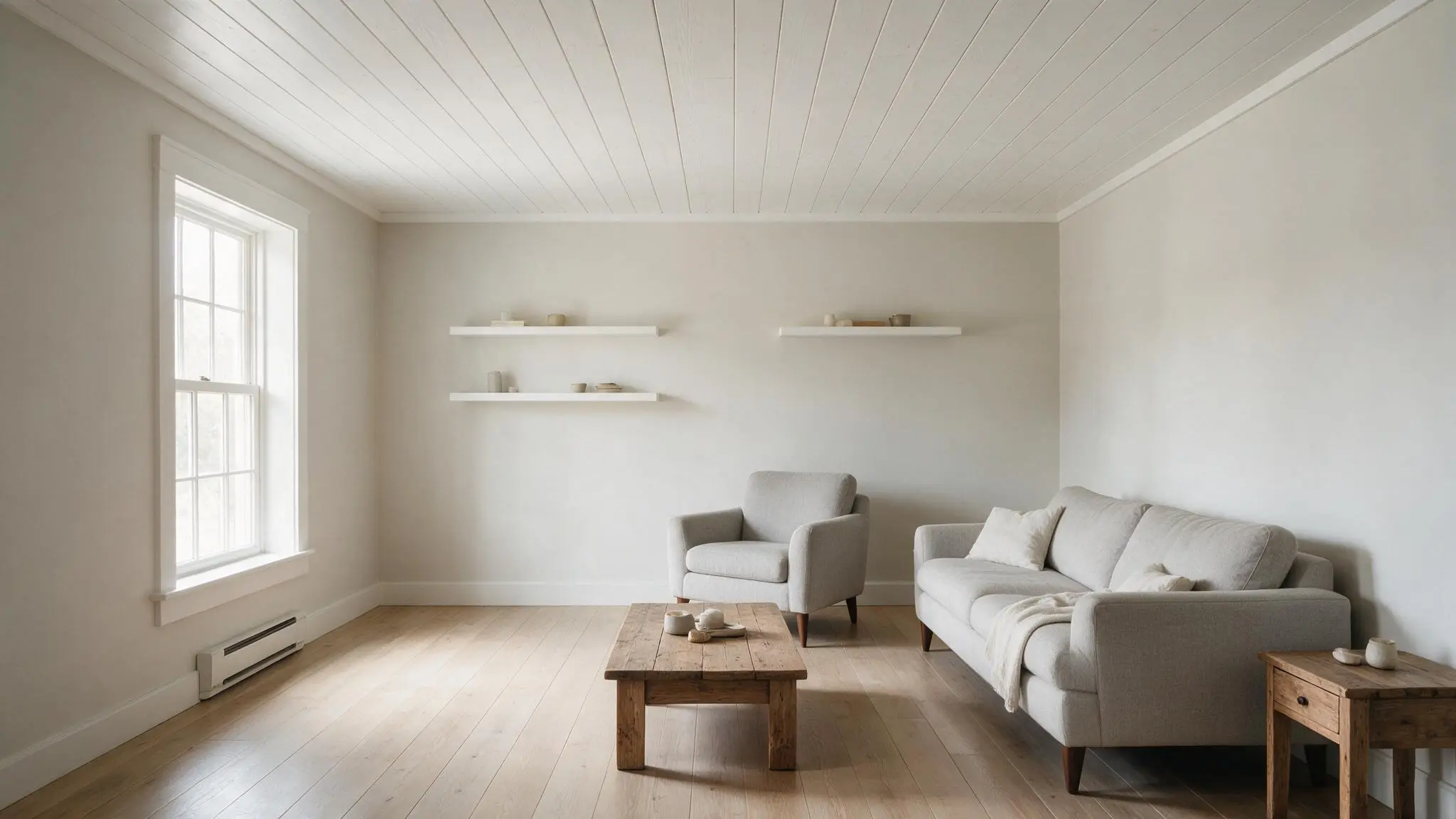
Modern cottage style takes the zeal of traditional cottagecore and gives it a cleaner, more updated look.
It keeps the cozy, nature-inspired feel but strips away the clutter. Think fewer trinkets, simpler patterns, and a more intentional use of space.
What sets it apart:
- It uses a neutral color palette, whites, grays, and soft beiges replace the busier tones.
- Furniture is simple and functional, but still feels generous and inviting.
- Natural materials like wood and linen remain central to the look.
- Clean lines replace overly ornate details.
Unlike classic cottagecore interior design, modern cottage style feels fresh and uncluttered. It’s a great option for people who love the cozy feel but prefer a simpler, tidier space.
How Modern Cottage Style Differs From Classic Cottagecore?
Both styles take quite different approaches. Here’s a quick side-by-side look:
| Modern Cottage Style | Classic Cottagecore | |
|---|---|---|
| Color Palette | Neutral whites, grays, soft beiges | Earthy creams, dusty pinks, sage greens |
| Patterns | Minimal, subtle prints | Bold florals, gingham, toile |
| Furniture | Clean lines, functional pieces | Vintage, ornate, mismatched |
| Clutter | Intentionally minimal | Layered and characterful |
| Materials | Wood, linen, stone | Wicker, wool, worn wood |
| Overall Feel | Fresh and simple | Warm and nostalgic |
Easy Budget-Friendly Ways to Achieve Cottagecore Interior
You don’t need to spend a lot to get the cottagecore interior design look right.
Embrace the simple ways to do it on a budget:
- Thrift First: Visit secondhand stores and flea markets before buying anything new. You’ll find better pieces for less money.
- Repurpose Items: Old jars, wooden crates, and worn furniture can all find a new life in this style.
- Grow Plants: Seeds and cuttings cost almost nothing. A few potted herbs or trailing plants go a long way.
- DIY Crafts: Make your own cushion covers, candle holders, or wall hangings. Handmade items fit this style perfectly.
- Swap Fabrics: Replace synthetic throws and cushions with linen or cotton alternatives. Small swaps make a big difference.
Quick Tip: Start with one room. Trying to redo your entire home at once gets hectic fast. Pick one corner or one room, get it right, and build from there.
Wrapping Up
Cottagecore interior design is really about choosing comfort over perfection. It’s about filling your space with things that mean something to you.
You just need a willingness to slow down and be intentional about your space.
Start small. Pick one room, one corner, or even one shelf. Build from there. And remember, no two cottagecore spaces look the same. That’s exactly what makes it special.
We’d love to hear how your space is coming along.
Drop a comment below!
Frequently Asked Questions
1. What Color Makes a House Look Expensive?
Deep navy, soft white, and warm charcoal tend to make any home look polished and well put-together.
2. What are the Criticisms of Cottagecore?
Some say it romanticizes rural life in an unrealistic way. Others feel it can look cluttered and hard to maintain daily.
3. What is the Opposite of Cottage Core?
Minimalism is the clearest opposite. It favors bare surfaces, neutral tones, and strictly functional spaces with very little decoration.