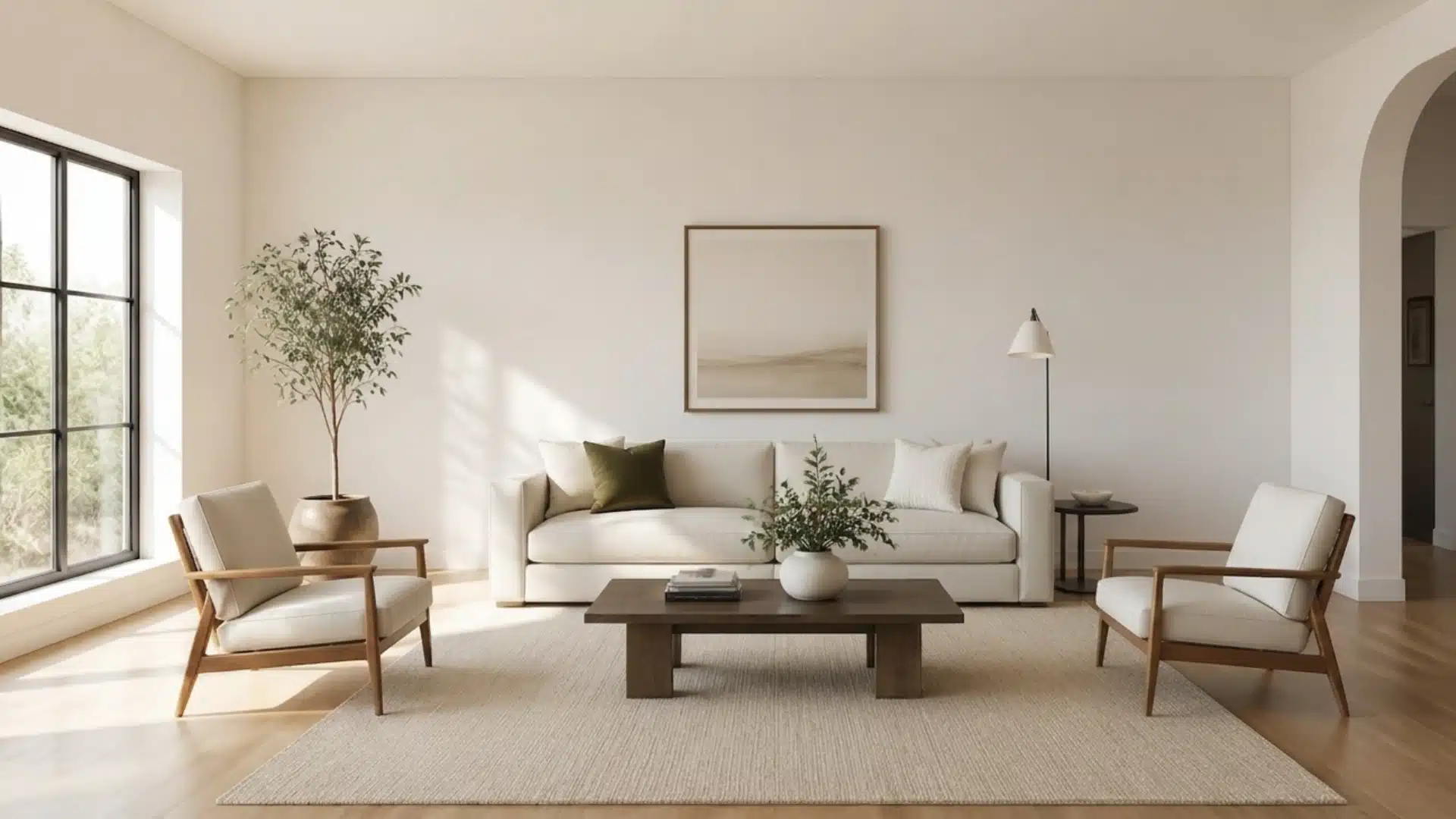
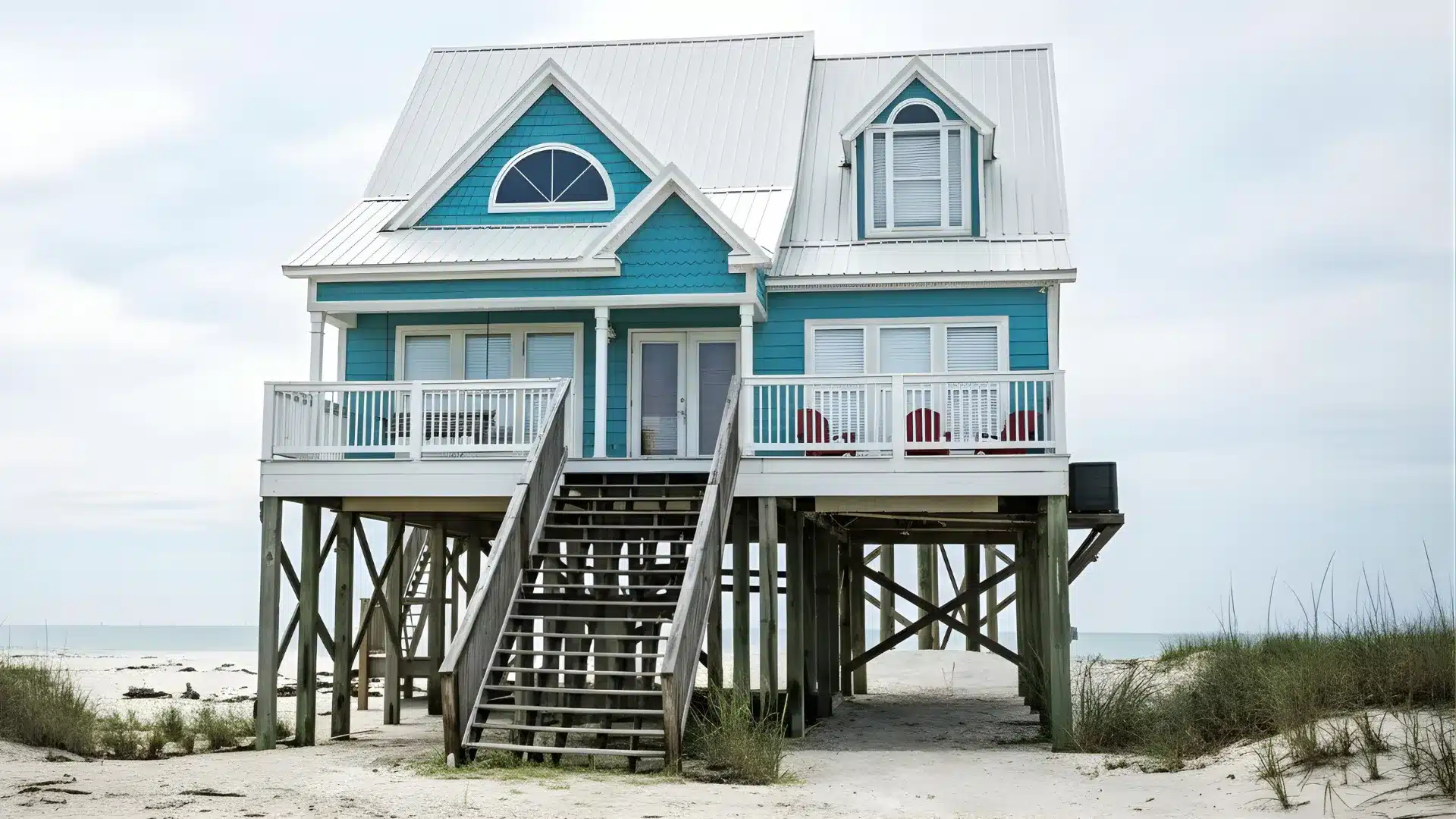
Two beach houses sit side by side. One has floor-to-ceiling windows, concrete floors, and barely any clutter.
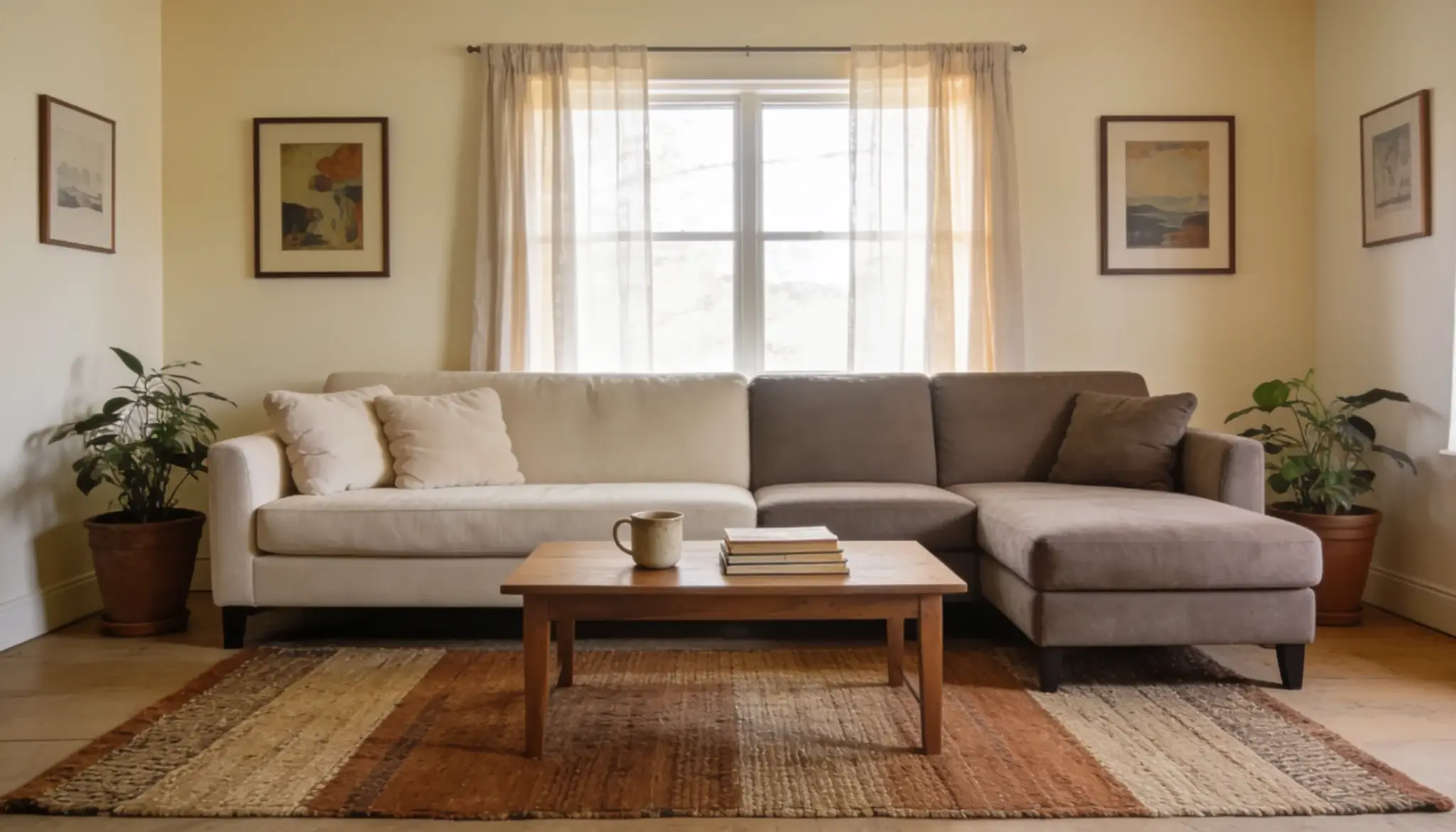
The other has shiplap walls, linen curtains, and a worn wooden table that tells a story.
Picking between a modern and a rustic beach house interior is more personal than most people think. It’s not just about looks, it’s about how you want to feel when you walk through the door.
This blog helps you figure that out, starting with the style details that actually matter.
Beach House Styles that Work for Different Needs
Your lifestyle, budget, and taste all play a role. Some people want simplicity. Others want heat and character.
The style you pick should match how you actually live.
- Modern Beach House: Clean lines, open spaces, and minimal clutter for those who like things simple and fresh.
- Rustic Beach House: Warm wood, natural textures, and a lived-in feel that makes every room feel cozy.
- Coastal Cottage: Small, charming, and full of character, perfect for weekend getaways or quiet retreats.
- Traditional Beach House: Classic layouts, familiar materials, and an effortless feel that never goes out of style.
- Contemporary Coastal: A beach modern coastal living room with a mix of relaxed vibes and clean, polished details.
Modern vs. Traditional Beach House
A modern beach house focuses on function. Every element has a purpose, no fuss. A traditional beach house, on the other hand, leans into comfort. It feels familiar, layered, and full of personality.
One feels like a fresh start. The other feels like coming home.
Neither is better; they just speak to different people in different ways.
| Feature | Modern | Traditional |
|---|---|---|
| Look | Clean, minimal, sleek | Warm, classic, detailed |
| Materials | Concrete, glass, metal | Wood, brick, natural stone |
| Color Palette | Whites, grays, neutrals | Creams, blues, earthy tones |
| Layout | Open plan, fewer walls | Defined rooms, cozy spaces |
| Furniture | Simple, low-profile pieces | Comfort-focused, layered pieces |
| Lighting | Large windows, recessed lights | Warm bulbs, decorative fixtures |
| Cost | Higher upfront investment | More budget-friendly options |
| Best For | Minimalist, modern lifestyle | Relaxed, homey lifestyle |
Key Differences in Layout, Materials, and Overall Feel
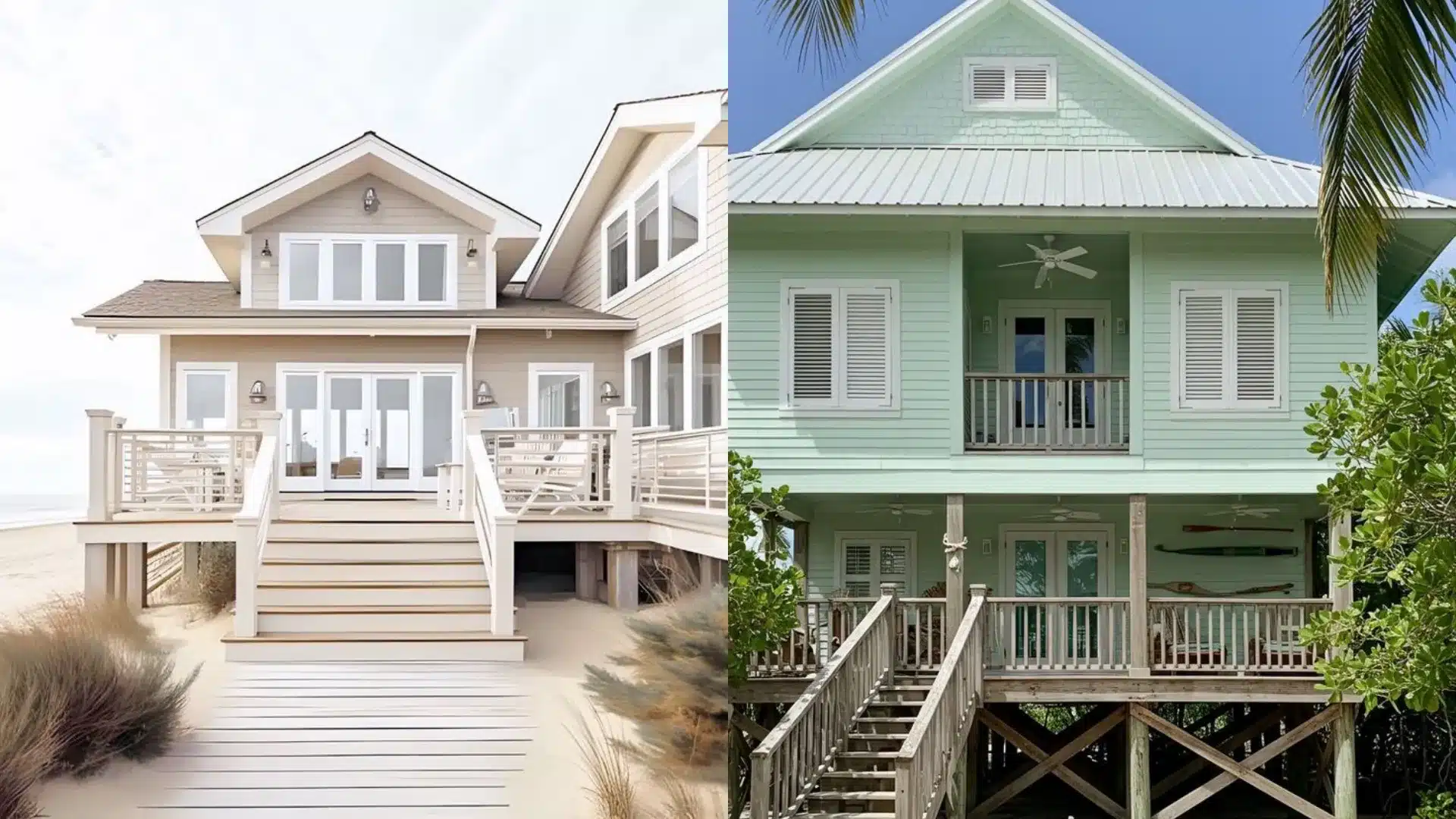
A beach house isn’t just about the view, the layout, or the materials; the overall exterior and feel shape how you experience the space every single day.
Layout
Modern beach houses keep things open. Fewer walls, more flow. The living, dining, and kitchen areas are usually in one connected space, where you can cook, eat, and relax without having to switch rooms.
Traditional beach houses work differently. Each room has its own purpose and boundary.
The kitchen stays in the kitchen.
The living room stays the living room. It feels more structured, more intentional, and more familiar to most people.
Materials & Finishes
| Element | Modern | Traditional |
|---|---|---|
| Floors | Polished concrete, large tiles | Hardwood, worn oak planks |
| Walls | Smooth plaster, plain drywall | Shiplap, tongue-and-groove panels |
| Structure | Steel frames, glass panels | Wooden beams, brick or stone |
| Finishes | Matte, glossy, or raw surfaces | Sanded, painted, or whitewashed wood |
| Details | Minimal hardware, hidden fixtures | Exposed joints, decorative trims |
Overall Feel
Where the two styles really split is the overall feel of the place.
A modern beach house feels sharp, clean, and controlled. Everything has its place. Nothing feels out of order.
A traditional beach house feels layered and lived-in. There’s heat in the worn wood, the soft textiles, and the familiar layout. One gives you clarity. The other gives you comfort.
The right choice depends on what you want to feel the moment you step inside.
Which Style Works Better for Your Lifestyle
The right style comes down to how you want to feel in your space.
If you value simplicity, go modern. If you want heat and comfort, go traditional. Either way, make it yours.
You Prefer Low Maintenance:
Modern beach houses are easier to clean.
Smooth surfaces and tiniest furniture mean less time tidying and more time relaxing.
You Love a Cozy, Homey Feel:
Traditional beach houses feel warm and inviting. Layered textures and familiar furniture make the space feel like a true second home.
You Entertain Often:
Modern open layouts make hosting easy.
Traditional homes work better for smaller, more personal gatherings with close family and friends.
You’re Working With a Budget:
Traditional beach houses cost less to build and furnish. Materials are more widely available and don’t rely on custom or high-end finishes.
You Want Long-Term Value:
Both styles are valuable in coastal markets; consistent upkeep outweighs design for resale.
Mixing Both Styles Without Losing Balance
You don’t have to pick just one style.
Many beach houses today blend modern and traditional elements without feeling confused or mismatched.
The trick is keeping a clear base.
Choose one style as your foundation and pull in details from the other sparingly. Rustic wooden design in a modern kitchen. Clean white walls in a traditionally furnished room.
Small choices like these create balance without the space feeling pulled in two directions.
Common Mistakes to Avoid When Choosing Your Style
- Choosing a style based on trends rather than how you actually live day to day.
- Mixing too many styles without a clear base makes the space feel scattered.
- Ignoring natural light when picking materials and finishes for your beach house.
- Picking furniture that looks great in photos but feels uncomfortable in real life.
- Forgetting to consider how the style will hold up against salt air and humidity.
- Rushing the decision without spending time in both styles before committing.
Wrapping it up!
Modern and traditional beach houses each bring something different to the table.
One gives you clean spaces and easy living. The other gives you heat and character.
Neither is the wrong choice; it just depends on what matters most to you. Think about how you spend your time, who you share the space with, and what makes you feel at ease.
That answer will point you in the right direction faster than any design trend ever could.
Frequently Asked Questions (FAQ’s)
1. What is the 70/30 Rule in Interior Design?
Use 70% of a dominant style and 30% of contrasting elements for a balanced space.
2. What is the Least Popular Beach Home Style?
Ultra-minimalist designs with no warmth or texture tend to feel the least inviting.
3. What are the Top 5 Styles of Interior Design?
Modern, traditional, coastal, Scandinavian, and industrial remain the most widely chosen styles today.