Door trim may be one of the few things in a room that doesn’t get much attention, but it forms the frame of every doorway that people walk past.
Changing door trim is one of the most economical things you can do to change the look of your room completely from minimalist to traditional, or Craftsman, or even a more graphic style.
Good door trim styles complement your current door look rather than clash with it. Below are some options to choose from.
Modern Door Trim Ideas for Every Interior Style
A modern door trim spans a wide range, from barely-there flat casing to bold statement moldings that reshape a whole room.
The ideas below run from clean-lined to colorful to character-rich, so there’s something here whether you’re renovating a whole house or just tired of looking at one door.
1. Sleek Flat Stock Casing
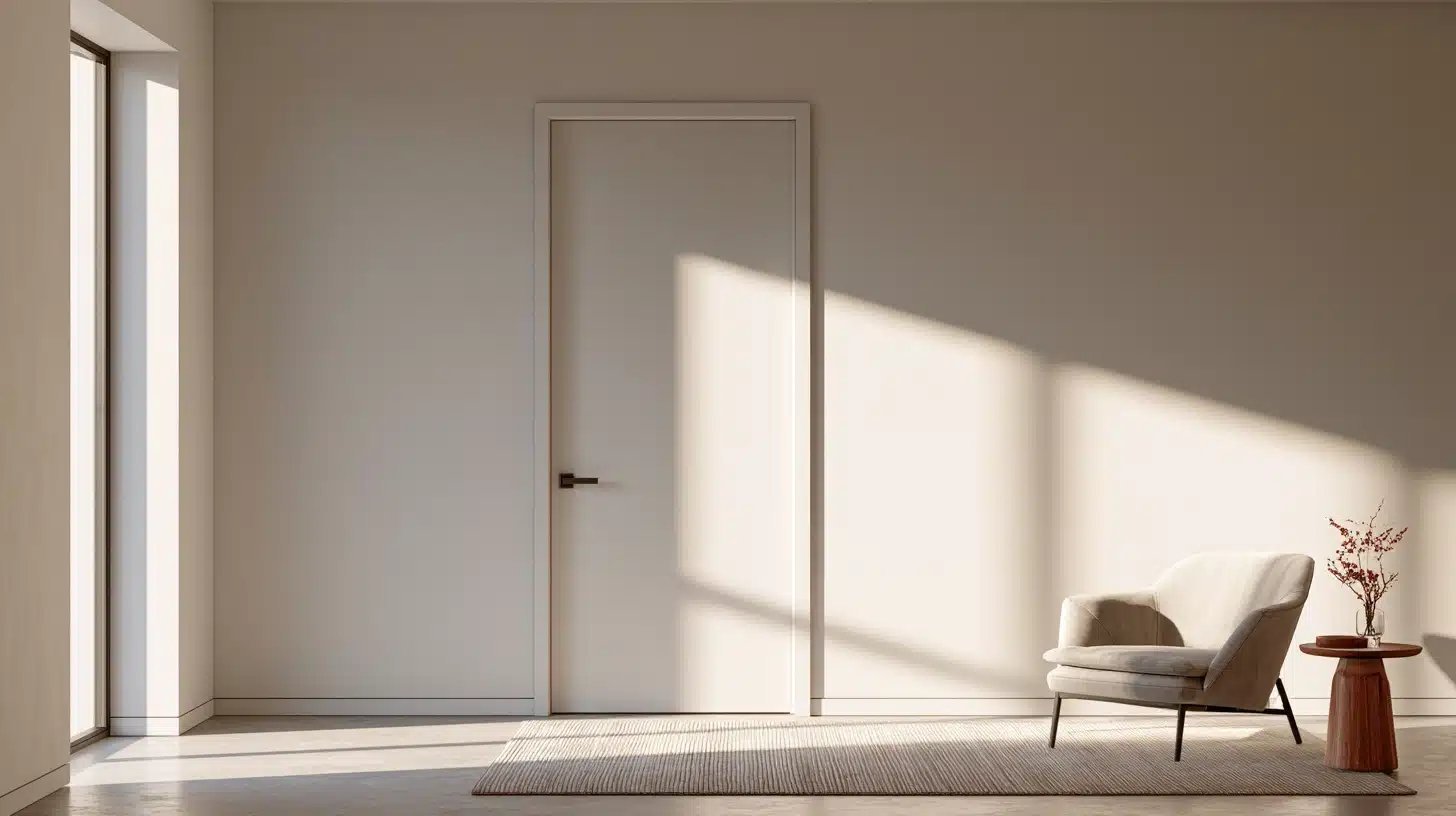
Flat stock casing is an uncomplicated, plain board that forms a border around the door with straight lines and no profile whatsoever.
It is the perfect choice for modern or minimalist interiors, as it keeps the eye occupied without drawing attention to the door area itself.
This style pairs well with flat baseboards and minimal walls, letting you decorate your room with no fuss and no conflicts with the furniture at all.
2. Black Door Trim
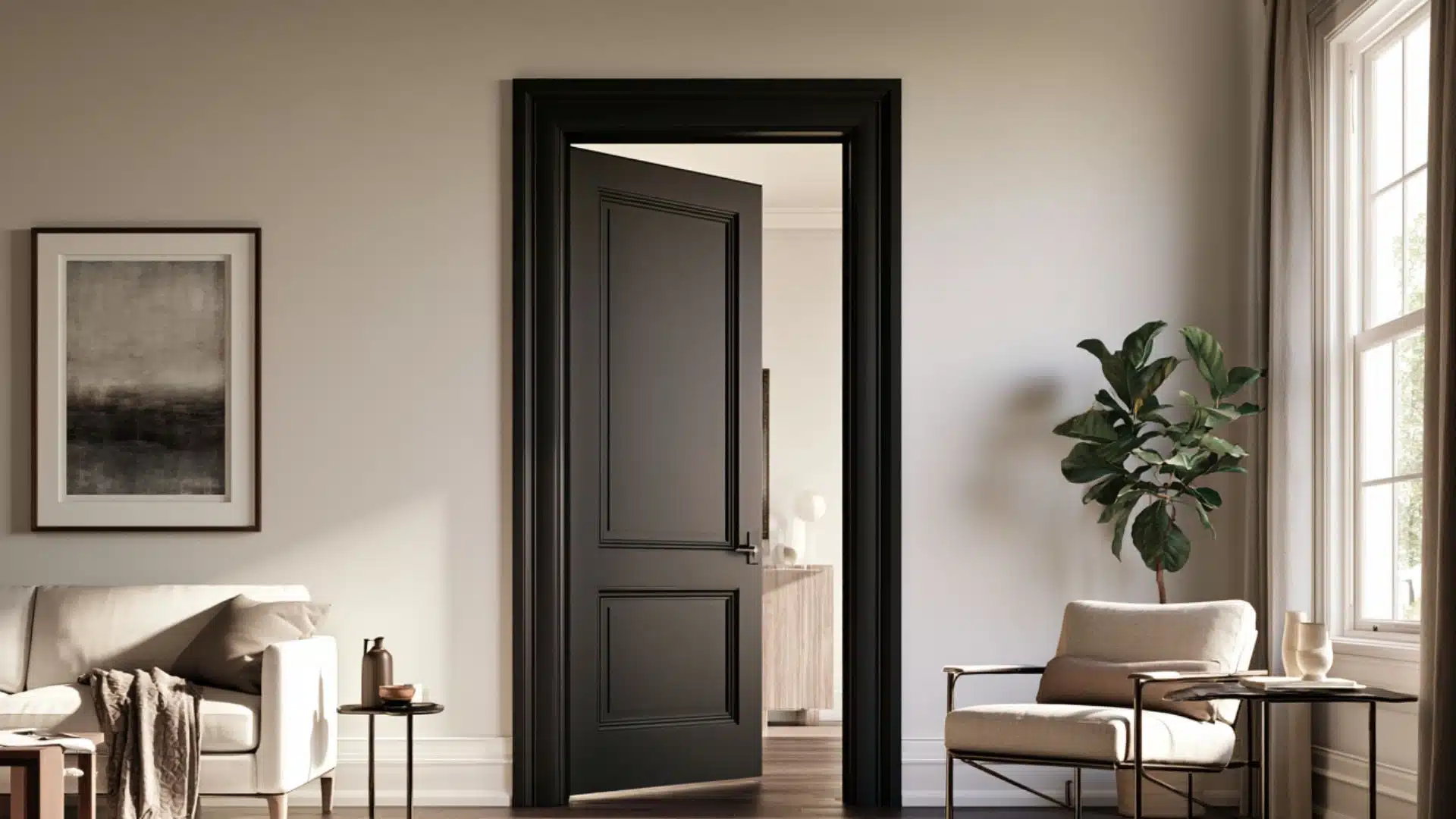
Adding matte black paint to the casing creates an eye-catching detail from the ordinary door frame.
Black trim looks modern and slightly dramatic, and it fits best on white or light walls for noticeable contrast.
It suits contemporary, industrial styles, and modern farmhouse interiors and can be paired with other black elements, such as windows or hardware.
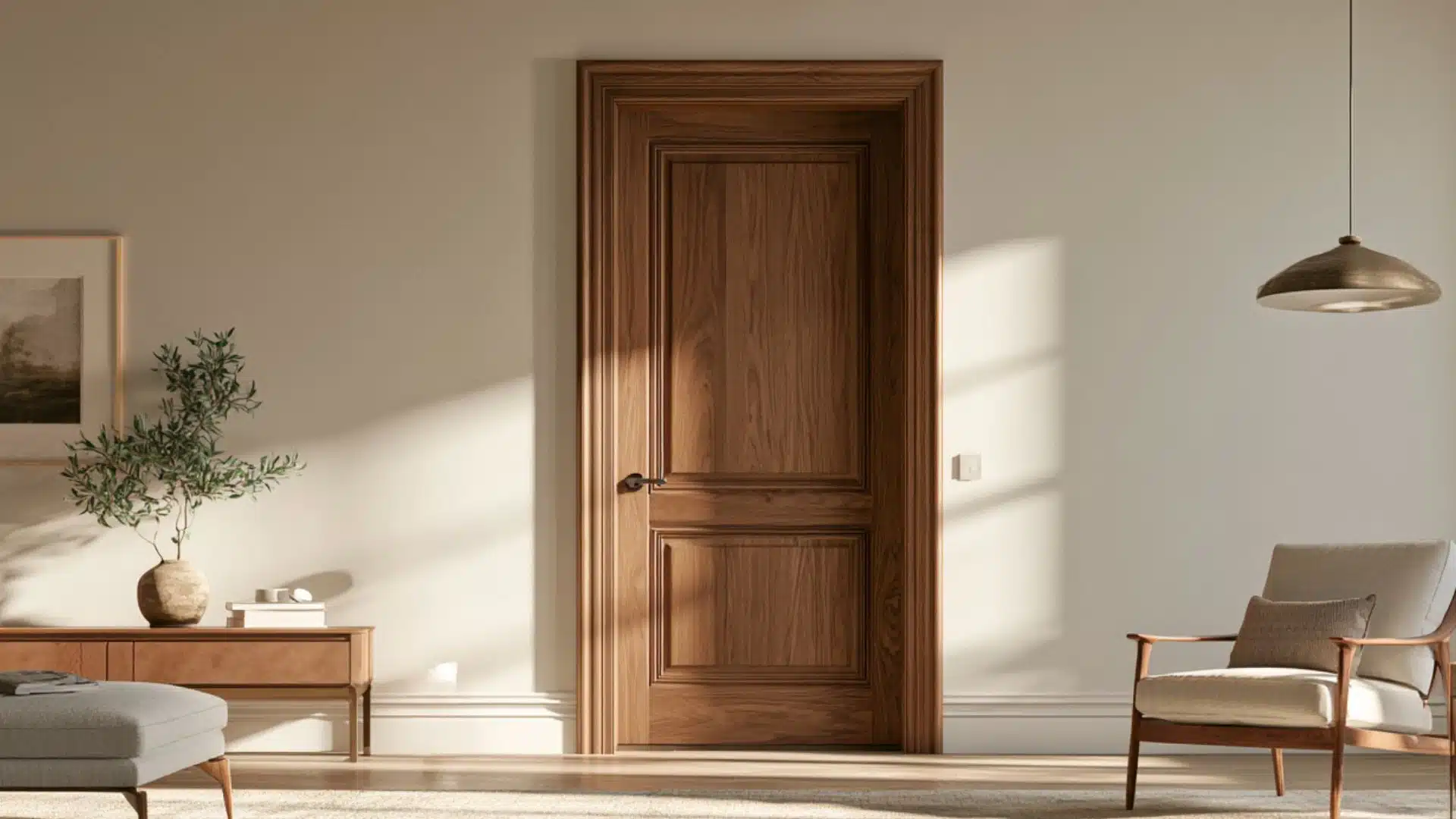
3. Natural Wood Door Casing
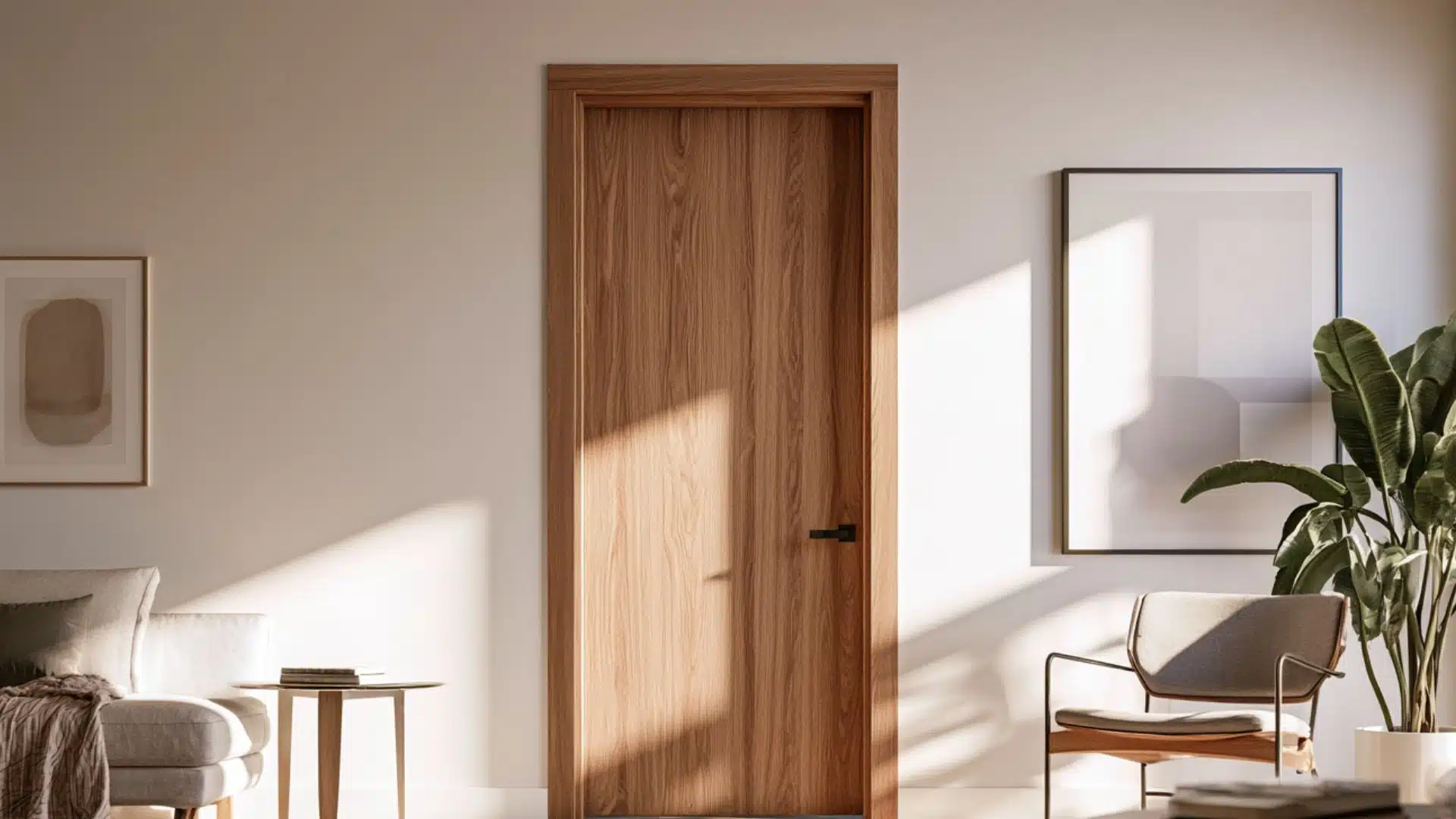
Leaving the trim as raw or lightly finished wood shows off grain and texture that paint would otherwise cover up.
The grain adds a natural, organic touch that suits Scandinavian, mid-century design and warm-modern interiors. Options here include:
- Light oak or ash for an airy, Scandi-leaning feel
- Walnut or stained wood for richer, mid-century warmth
- Whitewashed wood to keep the grain visible while lightening the tone
4. Modern Craftsman Door Trim
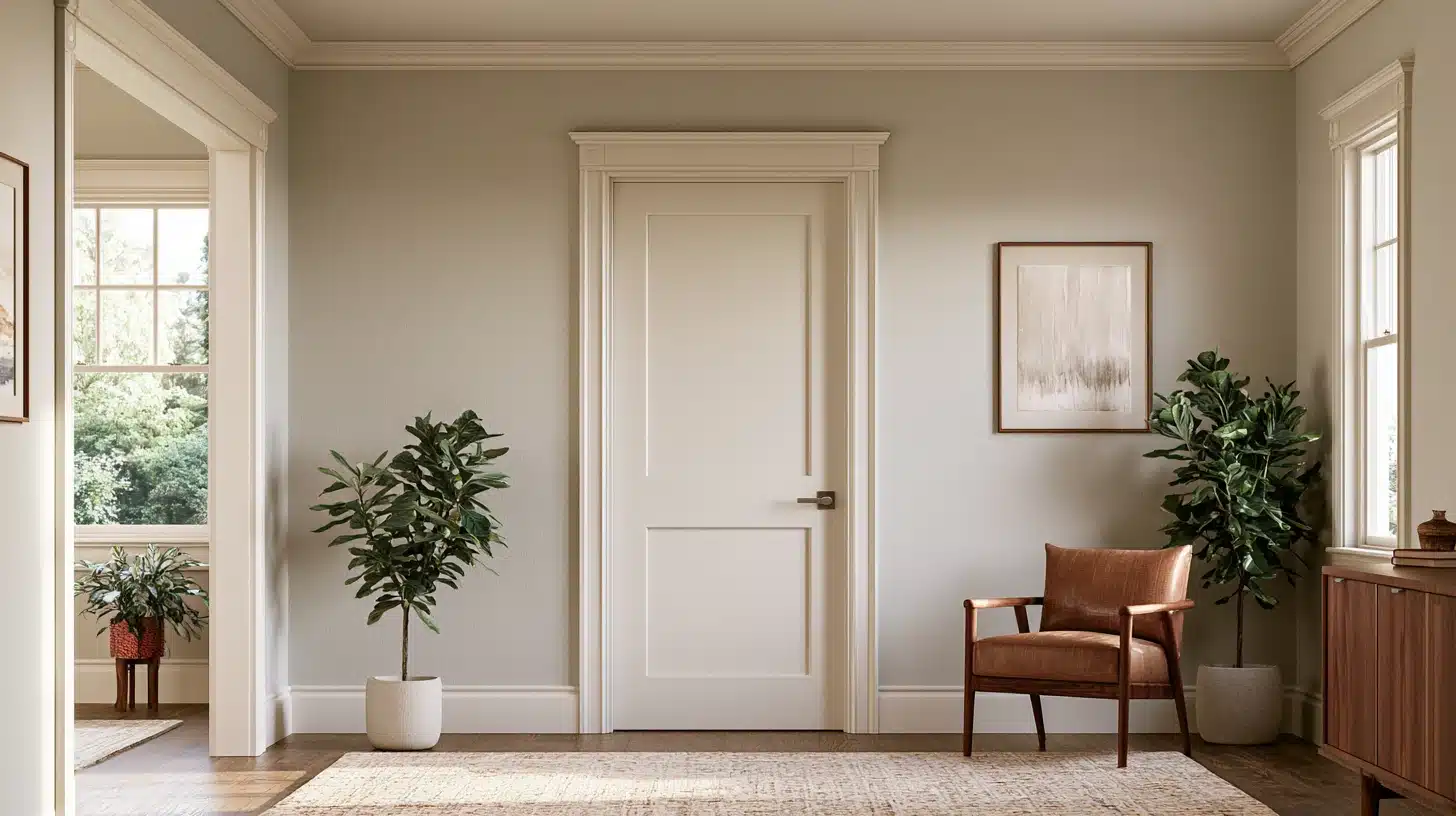
Modern craftsman casing keeps the substantial, squared-off proportions of classic Craftsman style but strips away the fussier details.
Think wide, flat side casings topped with a simple header board, minus the heavy layered moldings.
The result feels solid and grounded without looking old-fashioned, which makes it a favorite in transitional homes that blend traditional bones with cleaner, current finishes.
5. Wide Statement Door Casing
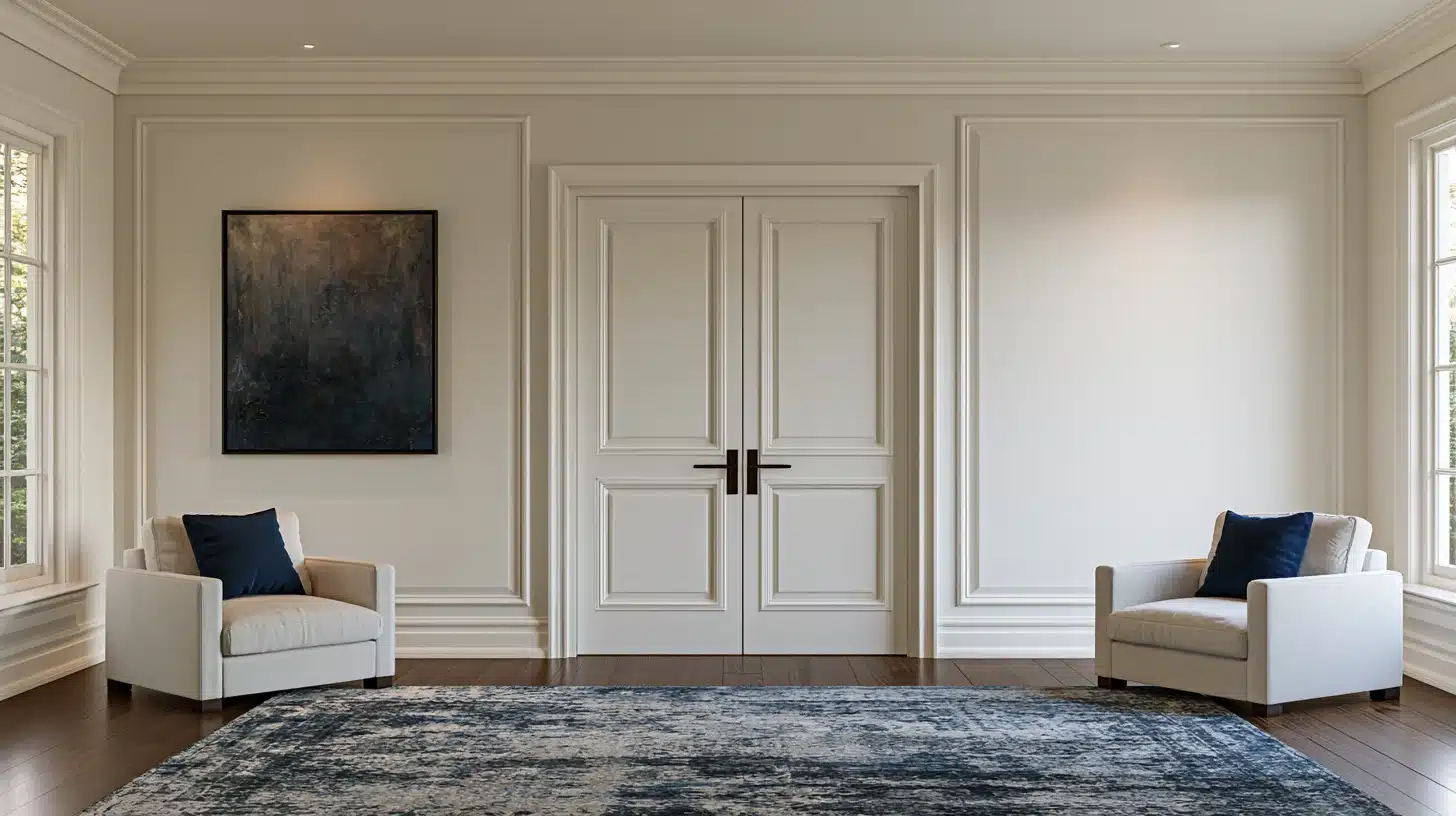
Swapping standard 2- to 3-inch trim for wide 5- to 7-inch boards gives a doorway real presence.
The extra width frames the opening like an architectural feature and makes ceilings feel taller. This look suits rooms with generous proportions and higher ceilings, where narrow trim would get lost.
6. Fluted Door Trim Design
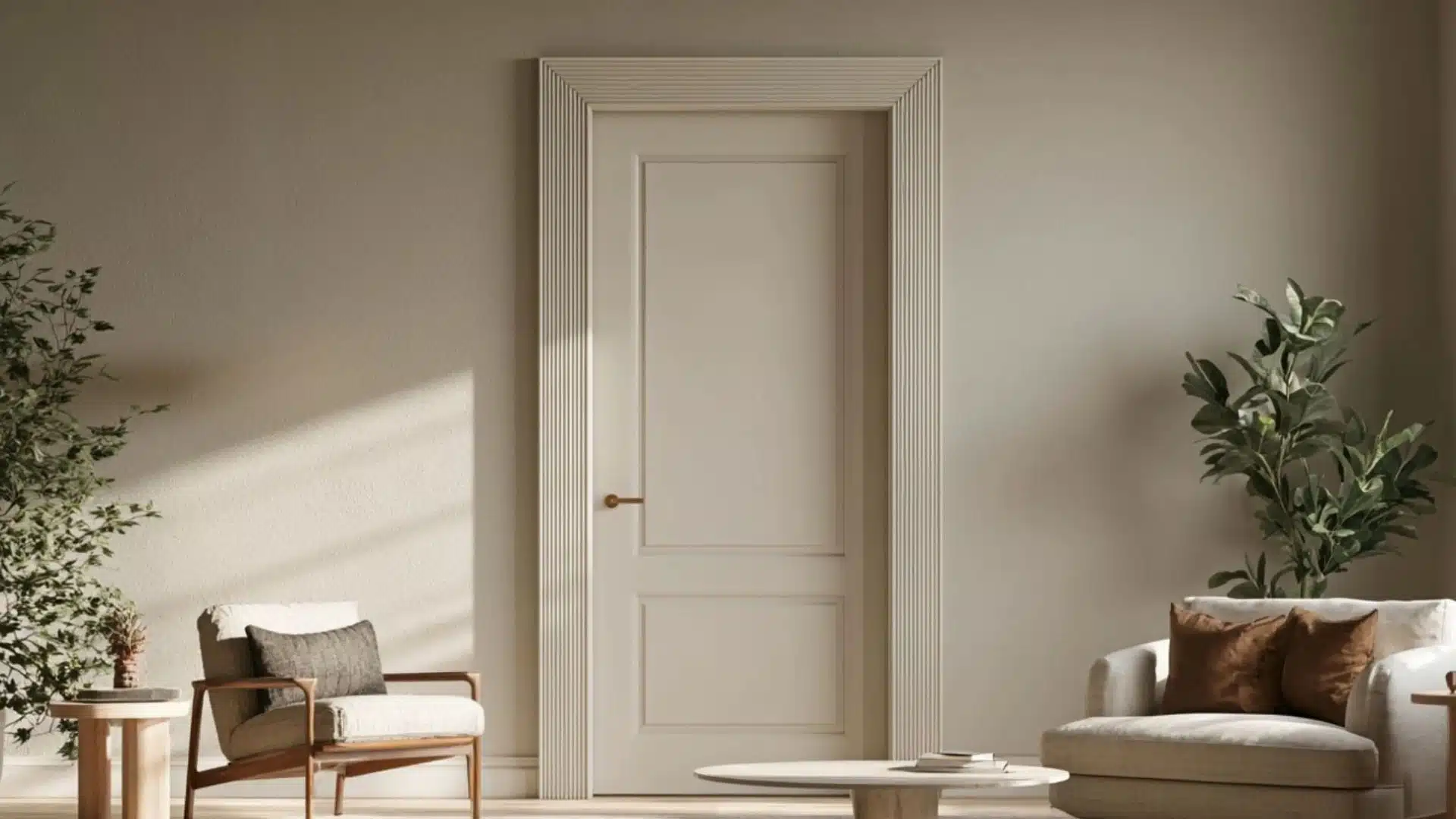
Fluted trim uses vertical grooves carved into the casing to add subtle texture and shadow lines. Key things to know:
- The grooves catch light, giving the doorway quiet dimension without bold color or heavy molding
- It nods to classical detailing while still reading fresh and current
- It suits modern-traditional and eclectic rooms that want a bit of craftsmanship without going ornate
7. Contrasting Color Door Trim
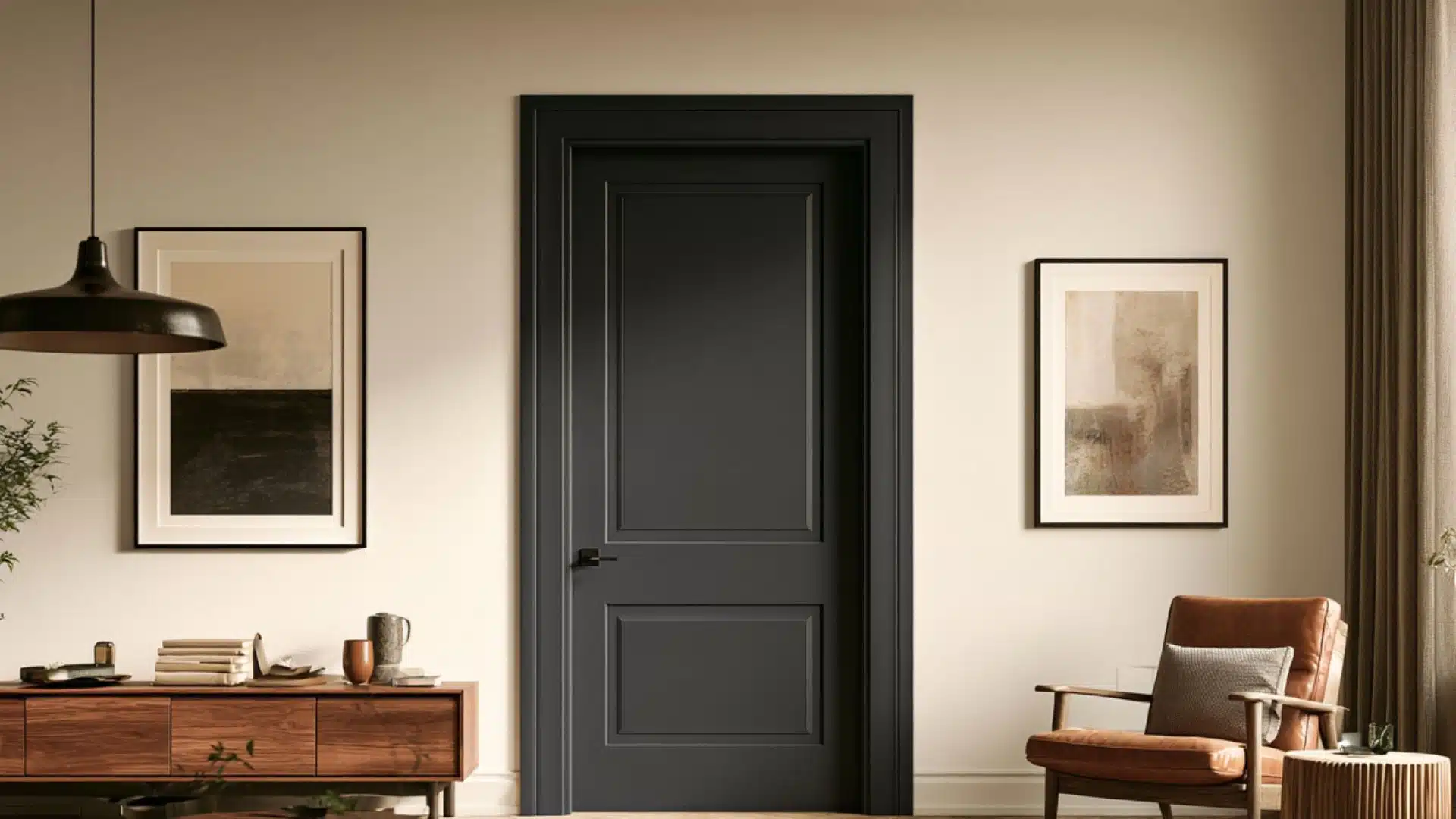
Instead of matching the trim to the walls, this approach paints it a clearly different shade to make the doorway pop
A clean white casing on a moody wall, or colored trim against neutral paint, creates a deliberate frame.
It’s an easy, low-cost way to add personality and works well in spaces that already lean playful or design-forward.
8. Floor-to-Ceiling Trim
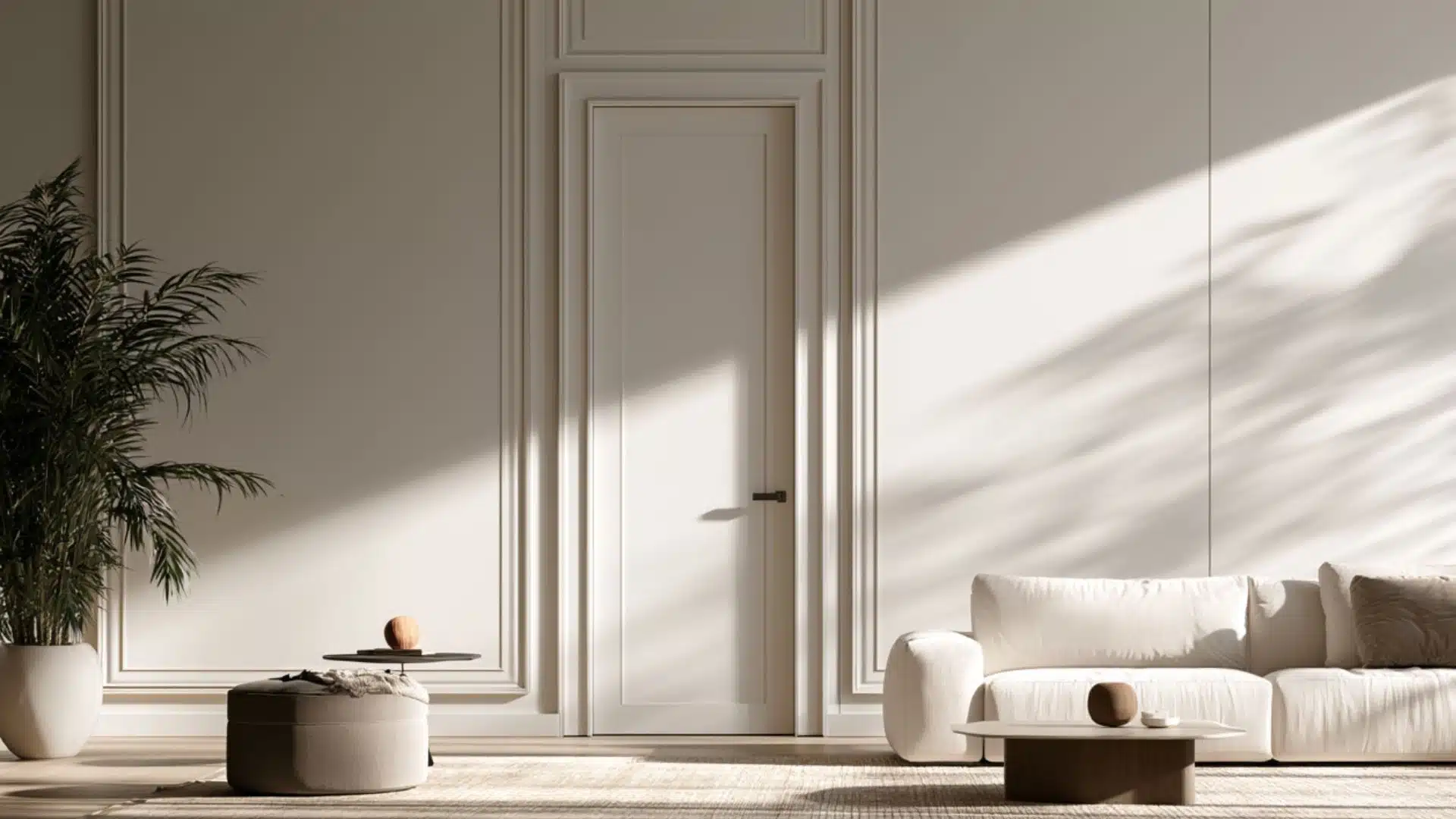
When you run casing up to the ceiling or use tall trim with coordinating panels, this technique makes the door look taller and more dramatic.
Use this architectural technique in rooms with sufficient height. It changes a standard door into an architectural element in modern and transitional houses.
This gives the room a coordinated appearance while ensuring the door isn’t lost among the other elements of the room.
9. Square Edge Door Casing
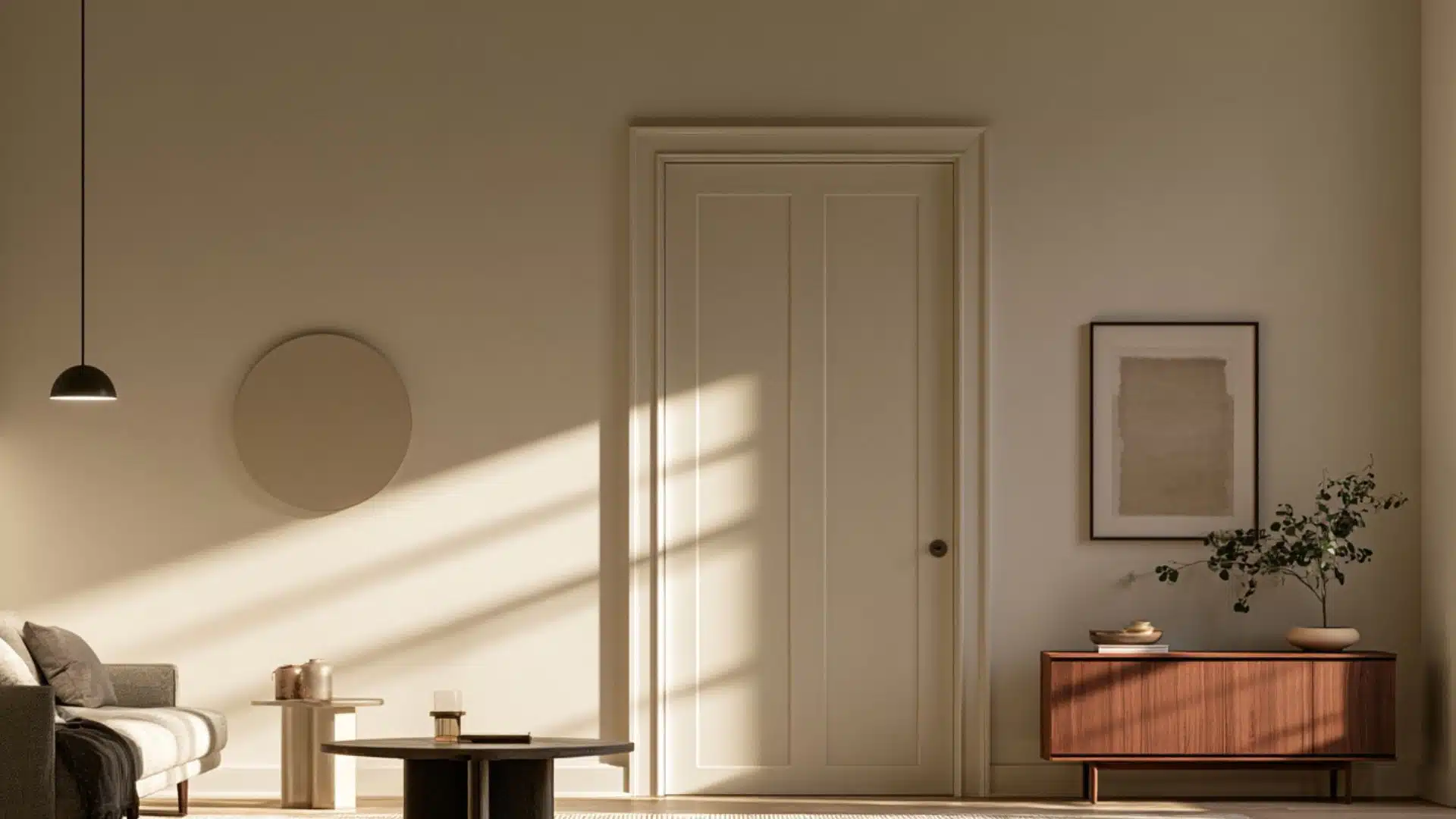
With the square edge door casing, the edges of the casing are squared rather than having the miters that we have in the profiled trim.
Such edges are clean, modern, and easy to install since there are no angles to cut. This type of casing suits modern, minimalist interiors and pairs well with square-edged baseboards.
10. Decorative Header Door Trim
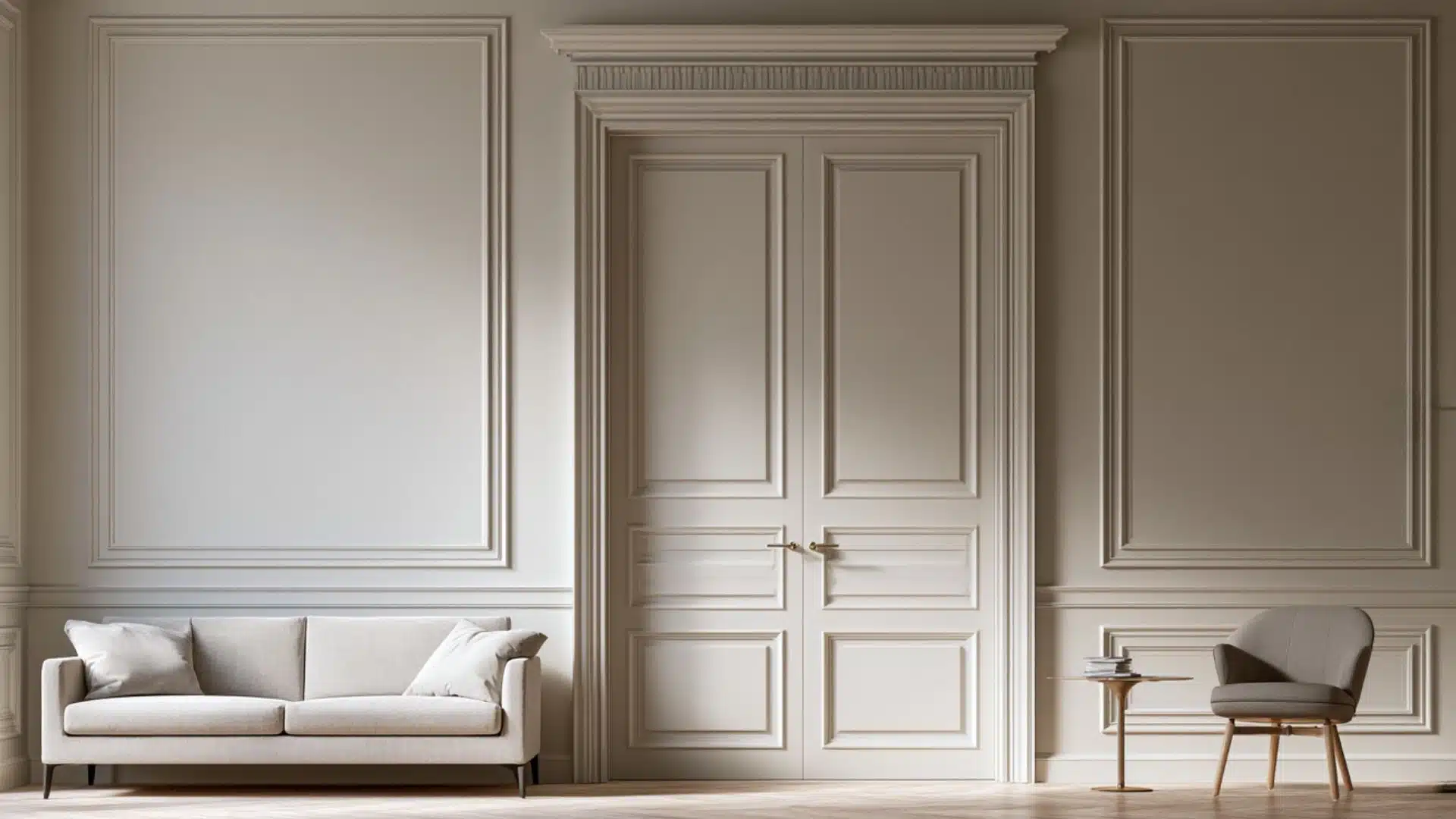
Header door trim is the extra decorative piece above the door, usually larger than the side casing. Examples of such pieces include:
- A simple top board for a clean, understated lift
- A layered cornice for more architectural presence
- A subtly molded cap for gentle detail without fuss
It fits well with transitional and character-rich homes wanting formality without heavy ornamentation.
11. Two Tone Door Casing
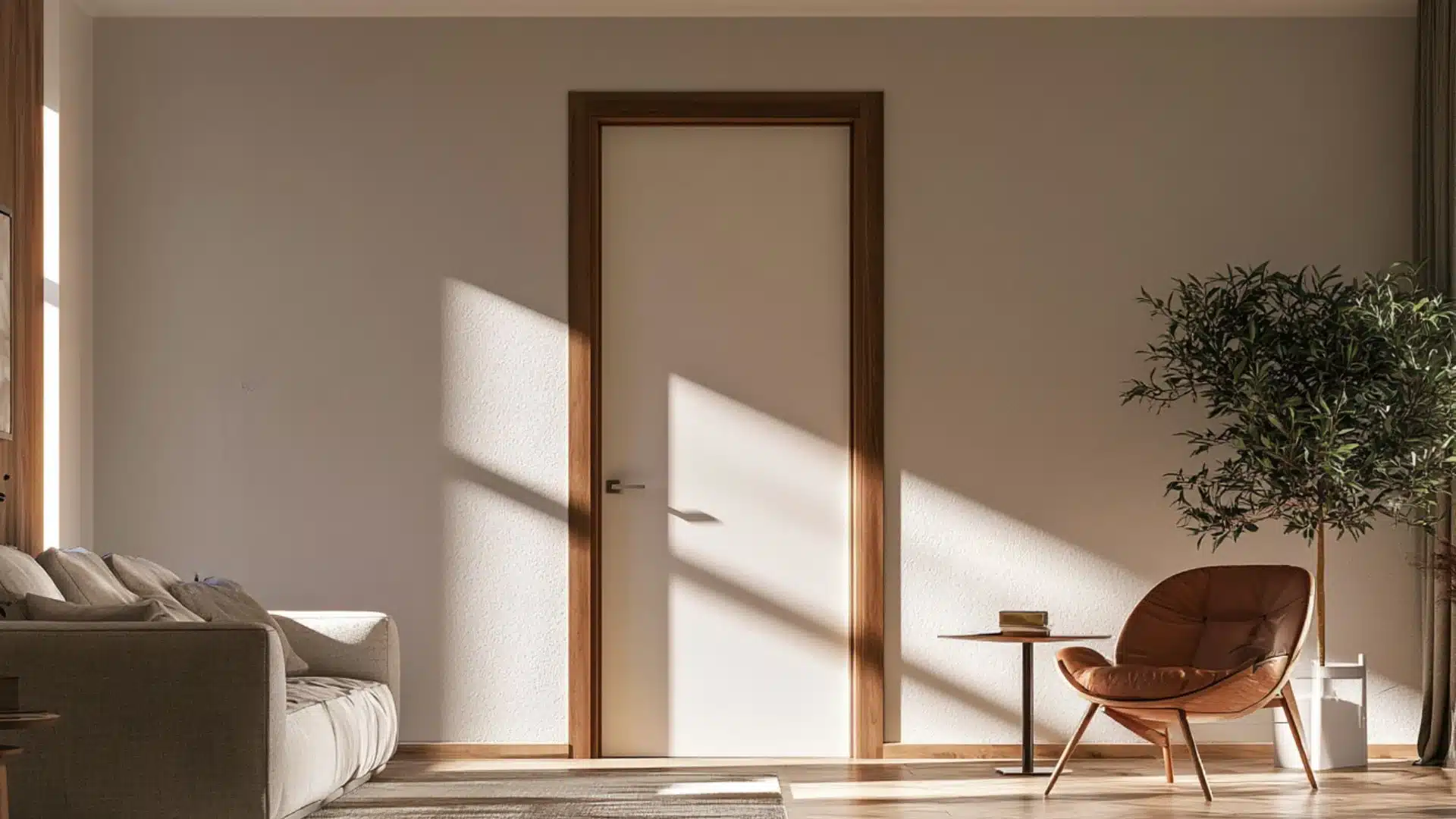
Two-tone casing combines two colors or finishes on the same trim, such as a painted frame with a natural wood insert or complementary paint shades.
This layered approach adds depth and creates a custom, designer-inspired look.
It works especially well in eclectic and modern interiors, bringing subtle visual interest without overwhelming the space. It also provides an effective way to connect the doorway with the room’s overall color palette.
Minimalist Modern Door Trim Ideas
Minimalist door trim is about restraint, letting the doorway blend into the wall rather than announce itself.
These ideas lean on slim profiles, hidden joints, and matched colors to keep interiors calm, clean, and clutter-free.
12. Slim Profile Door Trim
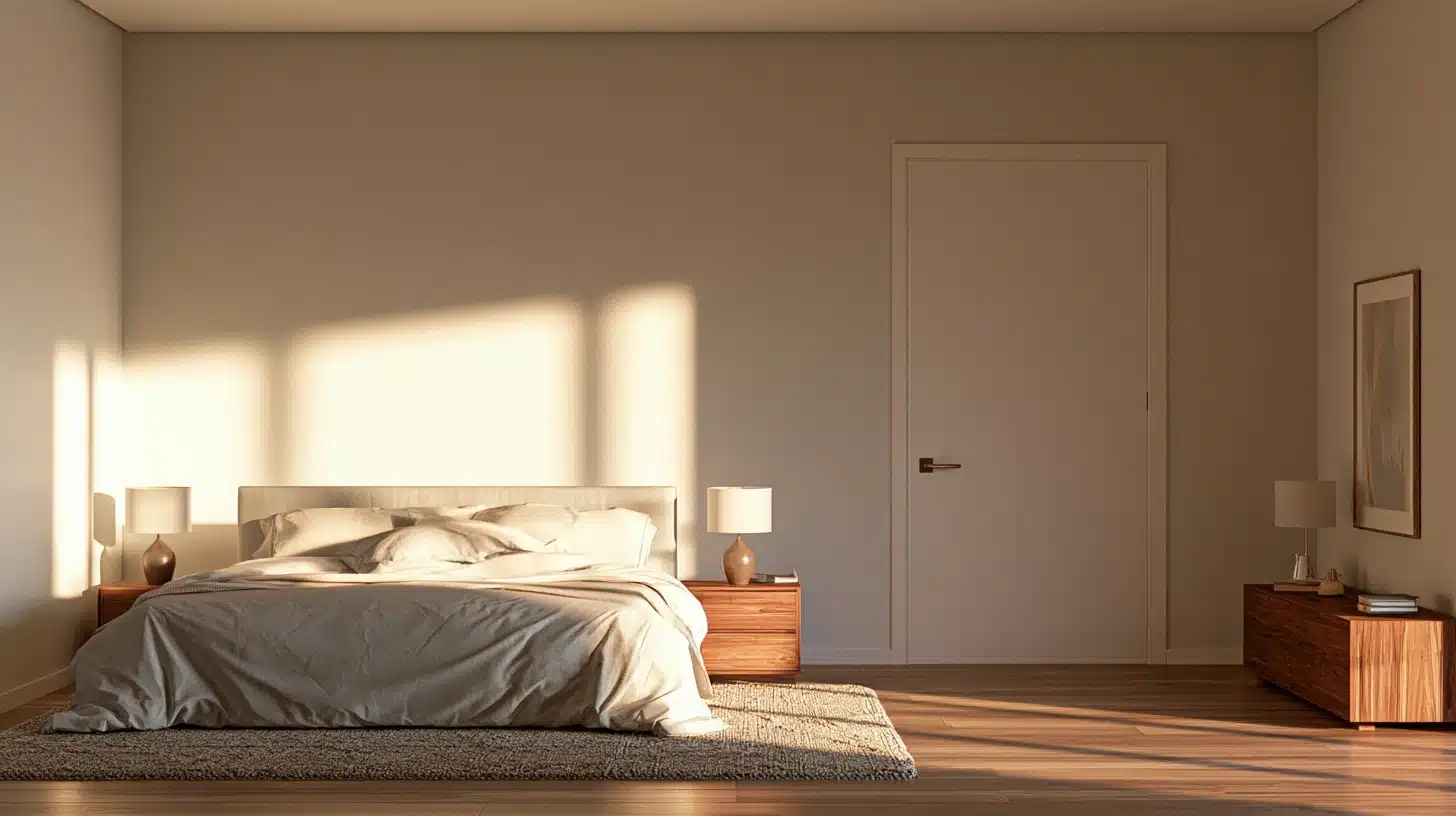
Slim profile trim uses narrow casing, often just 1 to 2 inches wide, to frame the door with the lightest possible touch.
It gives a doorway a tidy, tailored edge without adding visual weight, making it a natural fit for modern, minimalist rooms. The thin lines keep the focus on the space itself rather than the frame around the door.
13. Smooth Flush Door Casing
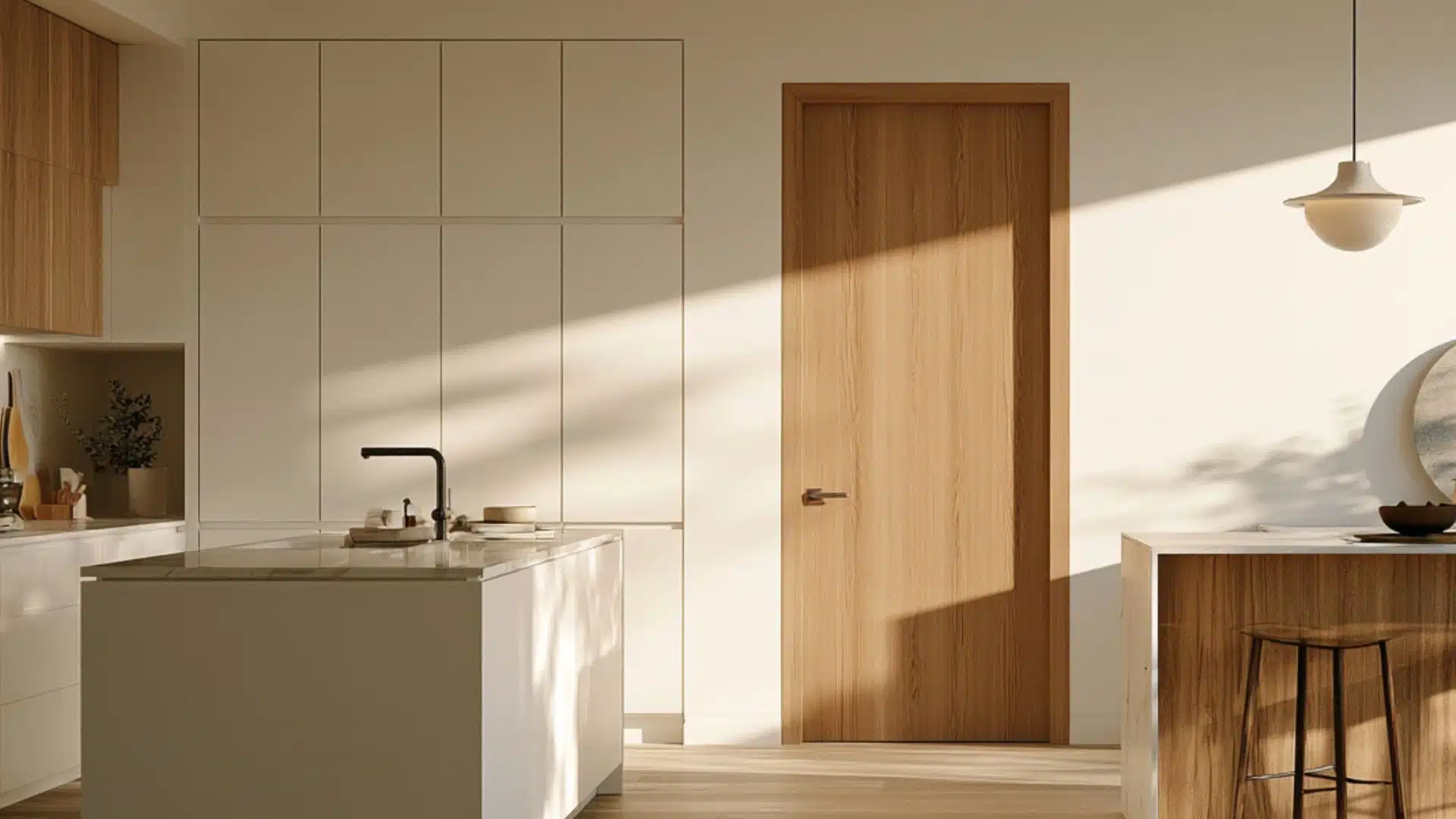
Flush casing sits neatly level with the surrounding wall, creating a smooth, uninterrupted surface. The result is subtle, refined, and distinctly modern.
Key points to know:
- No raised edges means nothing to catch dust or break the wall plane
- It reads as architectural, not decorative, suiting contemporary homes
- It usually needs planning during construction, so it’s easier in new builds or full renovations
14. Wall Matching Door Trim
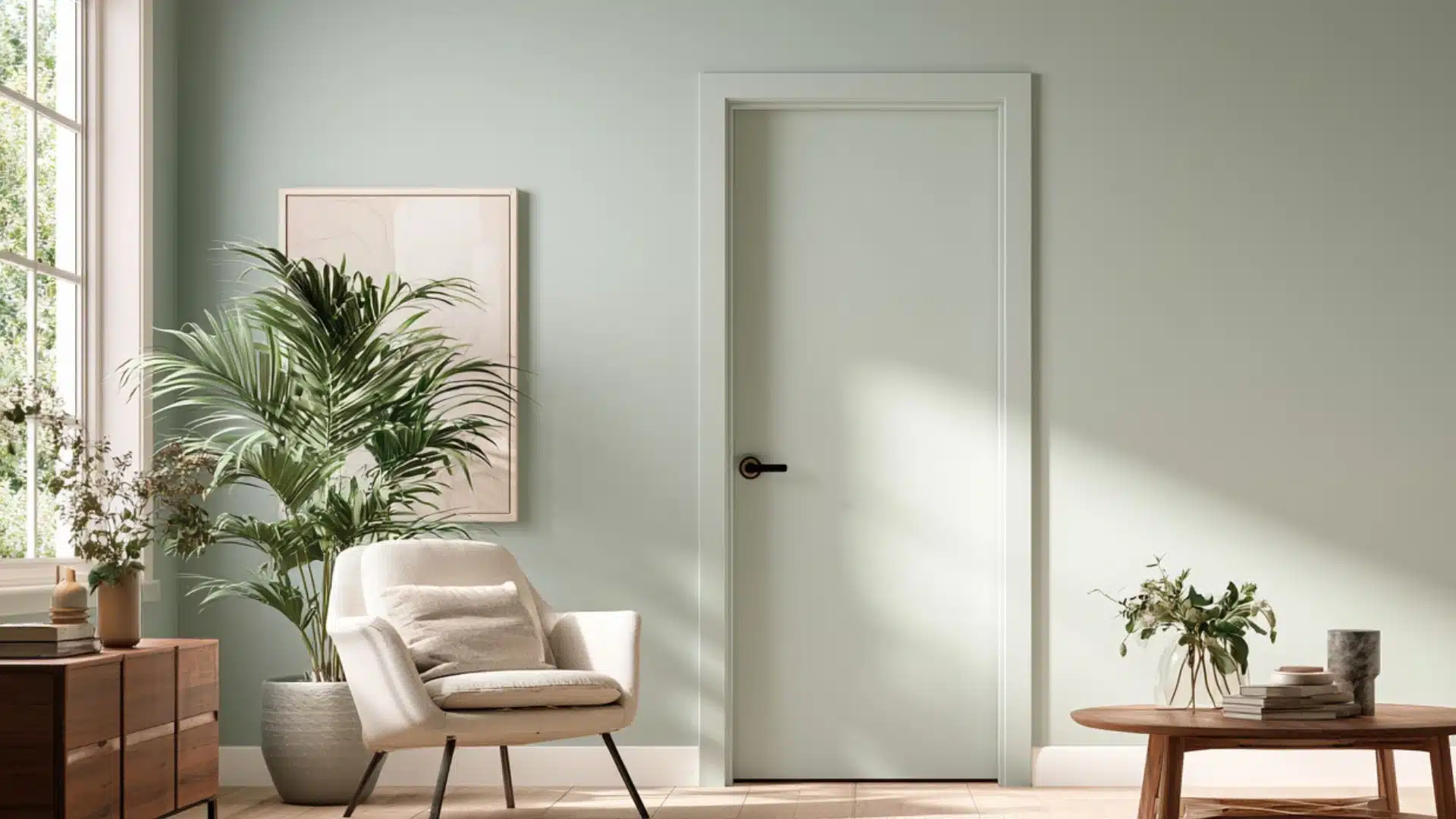
Painting the trim the exact same color as the walls lets the casing quietly disappear into the room. A clean, monochrome doorway blends smoothly with the walls, creating a taller, more spacious feel.
15. Simple Mitered Door Casing
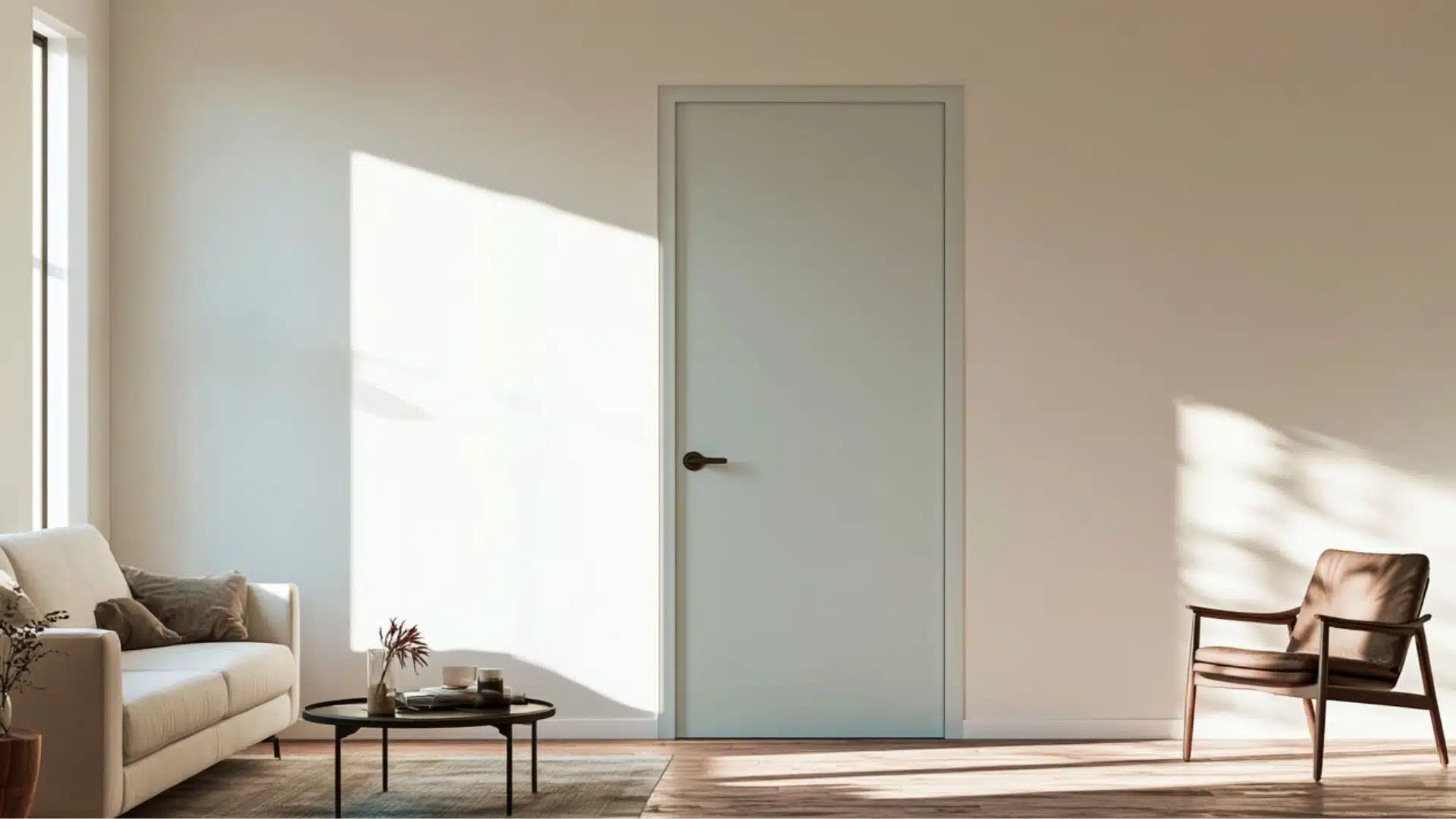
Mitered casing joins the trim at clean 45-degree angles where the sides meet the top, forming a neat, continuous frame. It’s a classic, low-fuss look that suits almost any modern interior.
But you need to know that:
- The mitered corners give a smooth, wraparound finish
- It works in flat or lightly profiled trim for a subtle step up from plain boards
- It’s a reliable default when you want simple done well
16. Clean Trimless Doorway Design
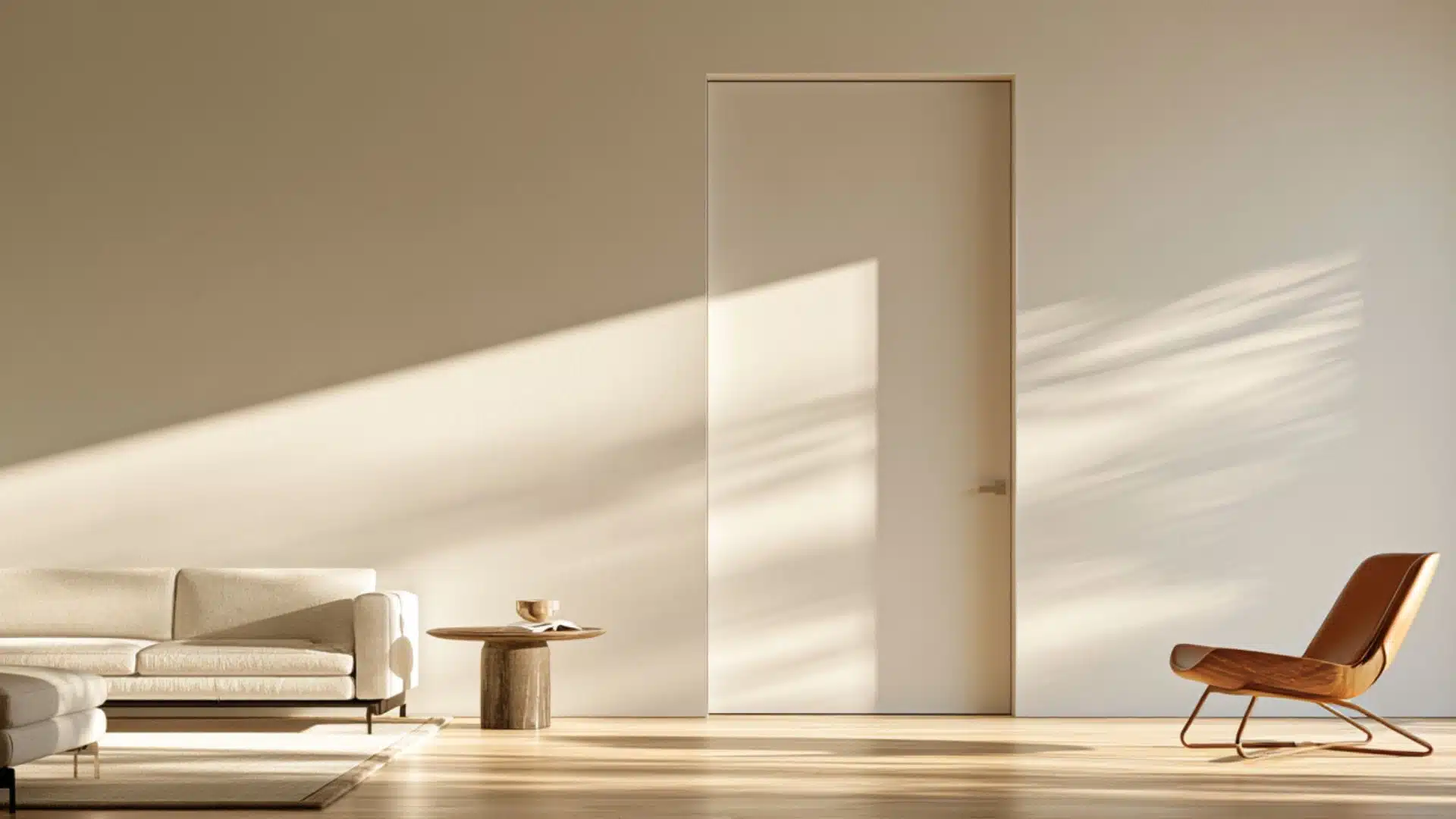
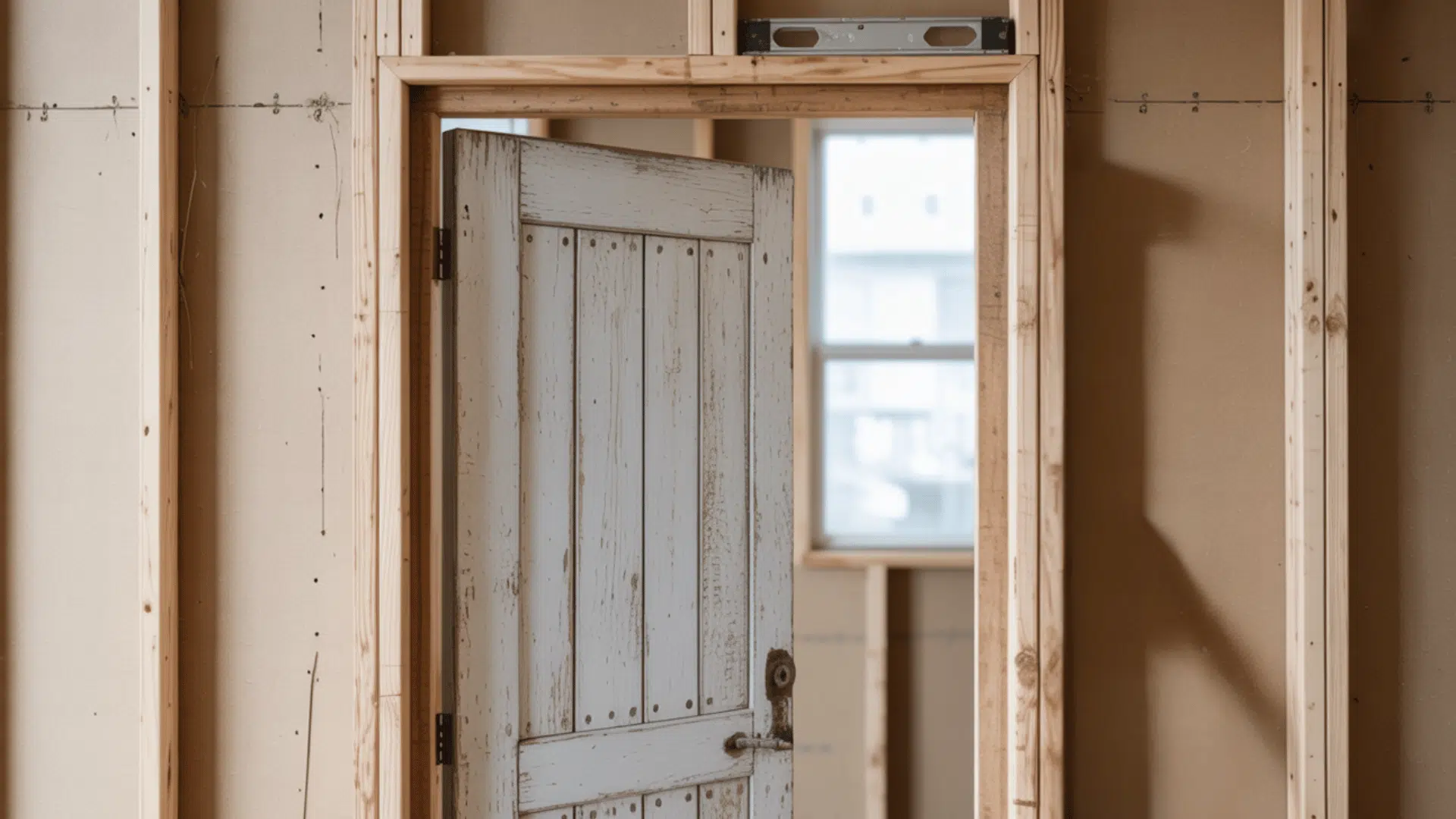
Trimless doorways eliminate casing, extending drywall directly to the frame for a crisp, effortless opening. This plain and simple style feels modern and architectural but requires precise finishing to achieve clean edges.
It works best in new construction or careful renovations and pairs beautifully with simple, gallery-inspired interiors.
Exterior Door Trim Ideas
Exterior door trim frames a home’s entry and sets the tone before anyone steps inside.
17. Bold Front Door Casing
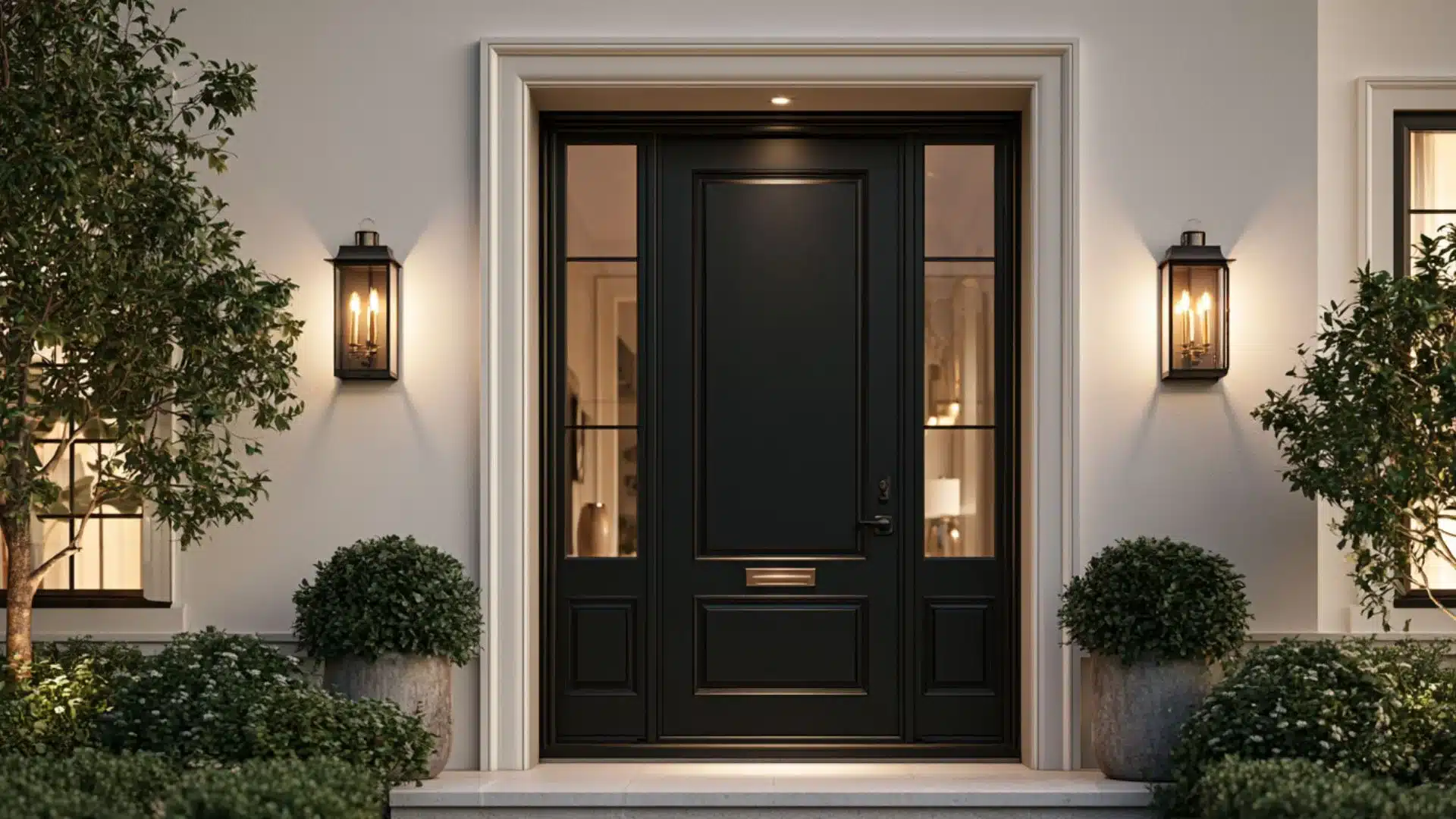
Painting the exterior casing a bold, saturated color turns a front door into a focal point from the curb.
It’s a quick, high-impact upgrade that adds personality to the entry and pairs well with a contrasting door color for extra punch.
18. Classic Craftsman Exterior Trim
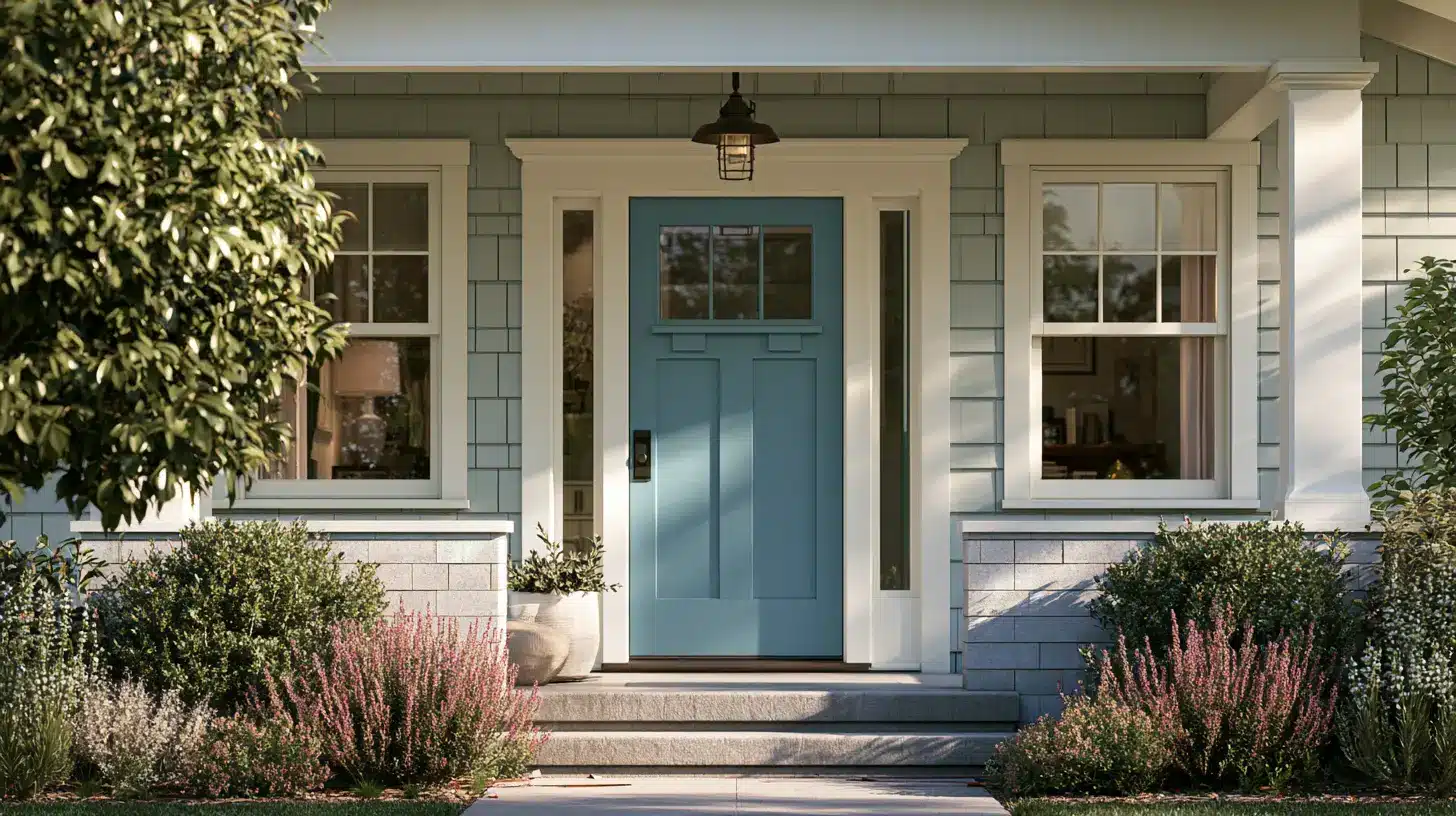
Craftsman exterior trim brings substantial, character-rich detail to an entry. Its signature features include:
- Wide, flat casings with a heavier top header
- Squared-off proportions that feel solid and grounded
- A tapered or layered cap for classic craftsman charm
It suits bungalows and traditional homes beautifully.
19. Rounded Exterior Door Trim
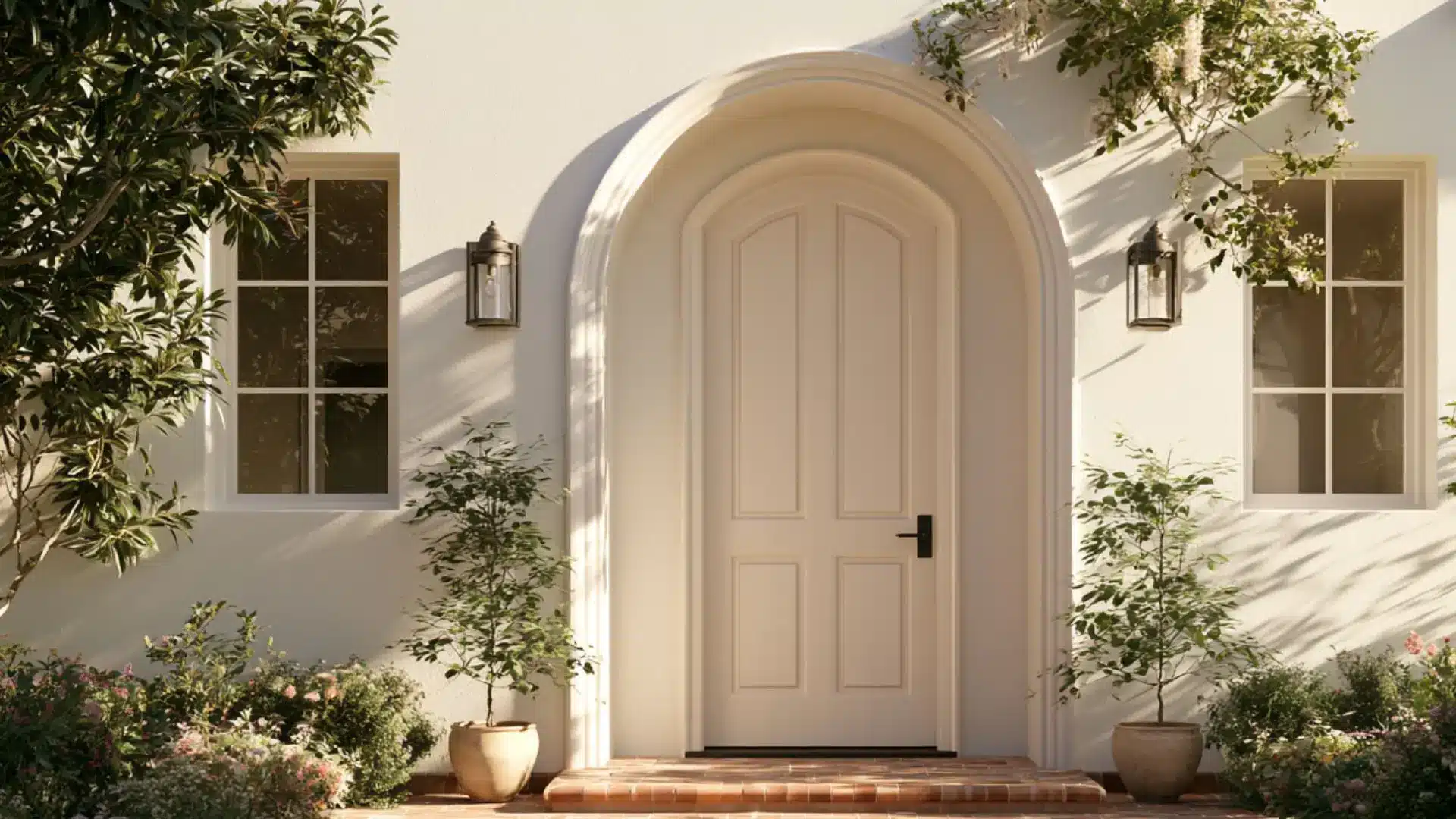
Rounded exterior trim uses softened, curved edges instead of sharp corners to frame the entry. The gentle profile softens a home’s facade in a way crisp square casing can’t.
It suits cottage, Mediterranean, and transitional exteriors, and it pairs especially well with arched doorways or homes leaning into a softer, more organic architectural style.
20. Natural Wood Entry Trim
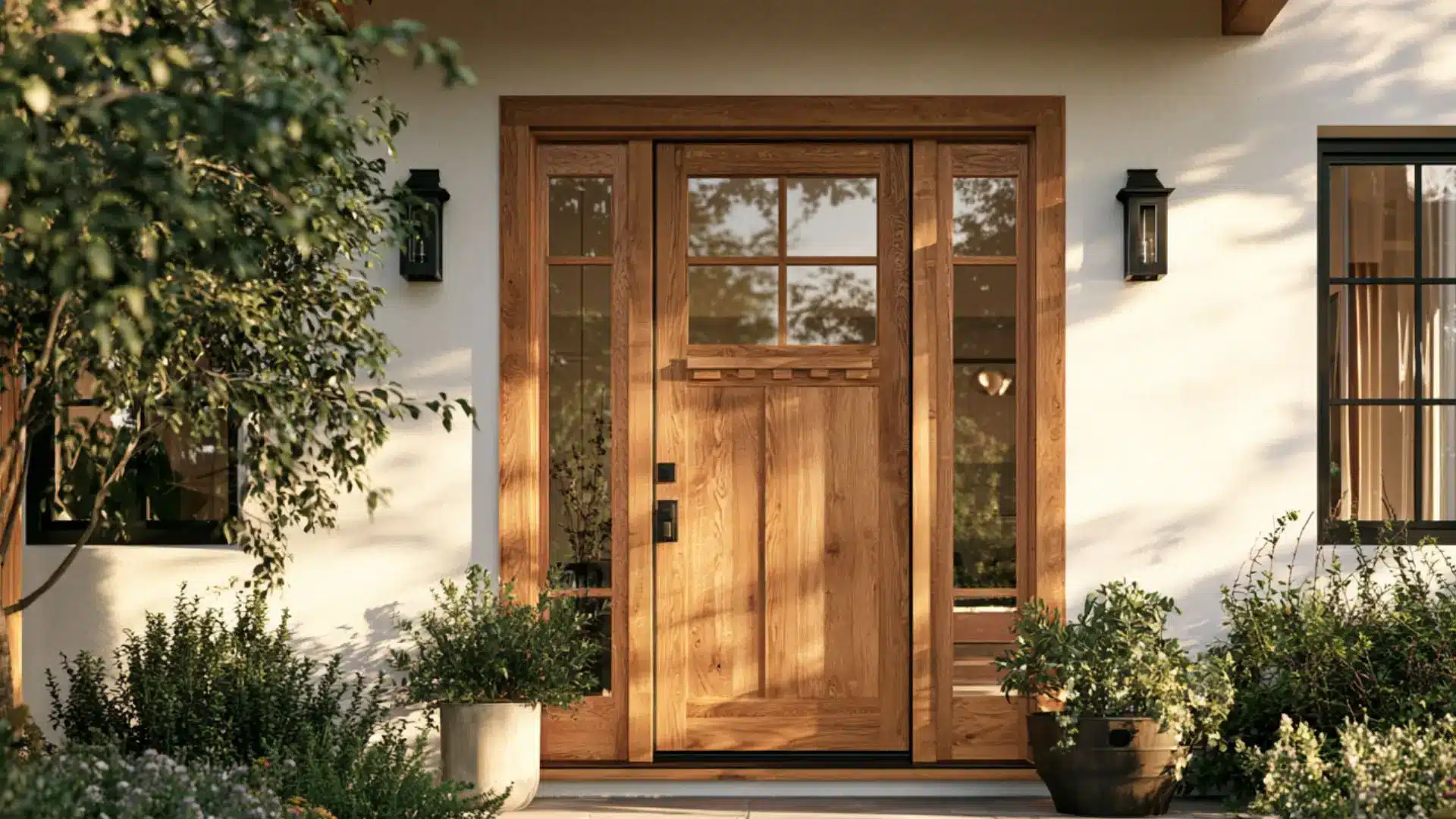
Natural wood casing around an entry shows real grain and texture that painted trim can’t fake. It works because:
- The grain brings richness and a welcoming feel
- It suits modern, rustic, and craftsman exteriors alike
- Sealed or stained finishes protect the wood from weather
21. Butted Flat Stock Door Casing
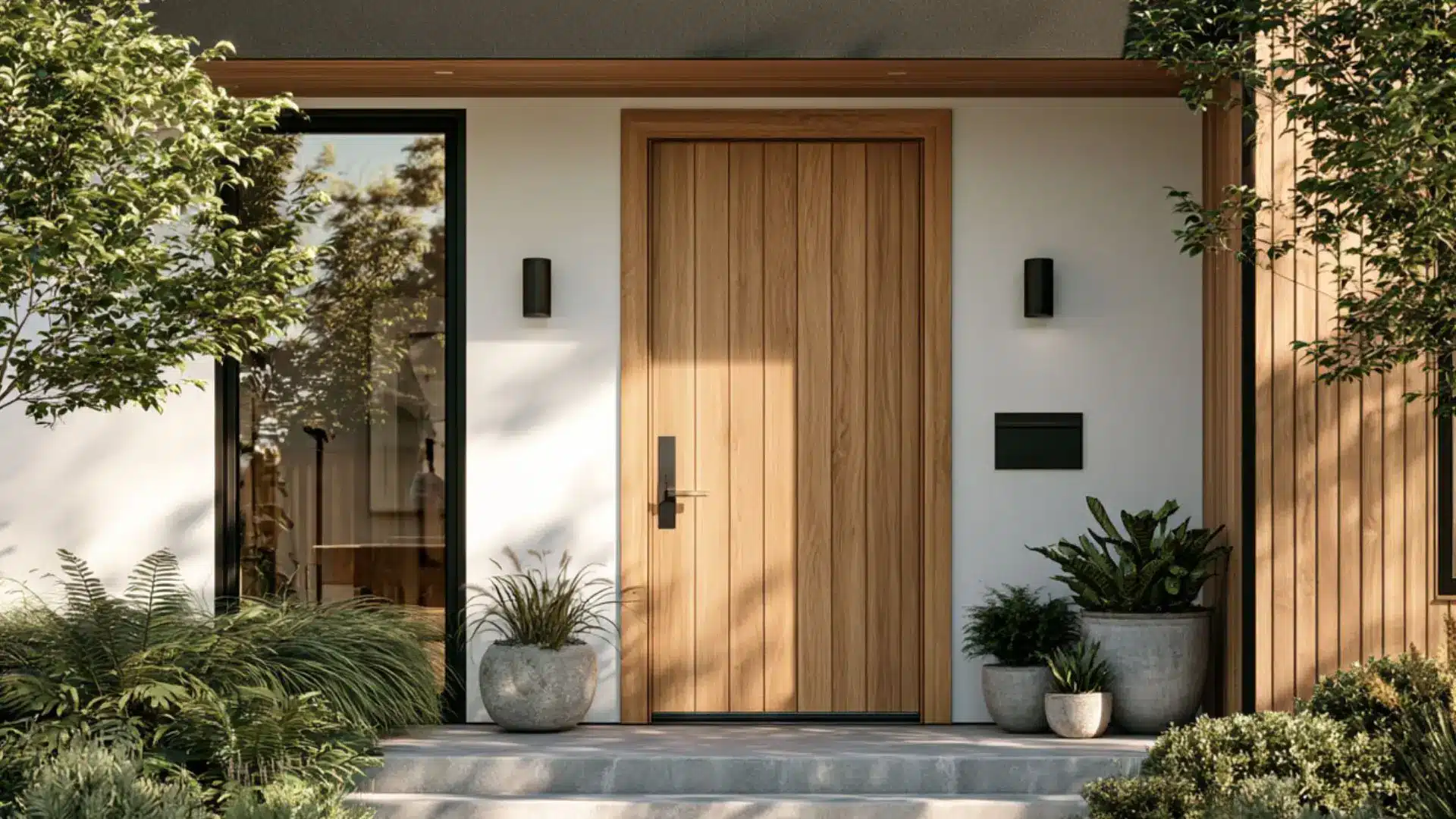
Butted flat stock casing joins plain, flat boards with simple square butt joints instead of mitered corners.
The result is clean, modern, and easy to install, with no angled cuts. It suits contemporary and minimalist homes wanting a crisp, no-fuss doorway frame.
Understanding the Difference Between Door Trim and Door Molding
Understanding the difference between door trim and door molding helps you choose the right details for a polished, cohesive doorway design.
| Aspect | Door Trim | Door Molding |
|---|---|---|
| Definition | The casing that specifically frames a doorway | Broad term for all decorative millwork, including door casing |
| Scope | Refers only to the door surround | Covers baseboards, crown, chair rails, casing, and more |
| Main job | Hides the gap where the frame meets the wall and finishes the opening | Adds decorative detail and architectural character throughout a room |
| Location | Around door (and often window) openings | Anywhere on walls, ceilings, and around openings |
| Relationship | A type of molding | The category that door trim belongs to |
Find Your Perfect Door Trim
The right casing does more than cover a gap; it quietly shapes how a whole room reads.
If you’re drawn to bold black frames or you’d rather let natural wood do the talking, there’s a direction here for almost any room and budget.
The best approach is to start with the feel of the room, then let the trim support it rather than compete.
With all these door trim ideas in hand, picking a direction gets a lot easier. Pick one, price it out, and see how much a plain doorway changes with a little more casing around it.
Frequently Asked Questions (FAQs)
1. Is Door Casing Still Popular in Modern Homes?
Yes, though the style has shifted toward slimmer, flatter, and squared-off profiles that suit clean modern interiors over ornate traditional detailing.
2. What Color Trim is Best?
It depends on the look you want: crisp white stays classic and versatile, while bold black or wall-matching shades feel more current and modern.
3. What Kind of Trim is Popular Now?
Flat stock, wide statement casing, natural wood, and bold black trim are all trending, along with minimalist trimless and slim-profile designs.