Most bedrooms look fine. That’s the problem, because fine doesn’t feel like anywhere.
That’s where the dark academia bedroom comes in. Think warm lamplight, rich wood tones, and stacked books. Moody without being gloomy. Personal without being cluttered.
This guide covers specific ways to bring that look to life.
What Dark Academia Actually is
A dark academia bedroom is a space that feels warm, lived-in, and full of quiet character.
It draws from old libraries, candlelit studies, and rooms that look like someone actually reads in them.
The look is built on a few simple things:
- Rich, dark colors: deep browns, forest greens, and warm charcoals
- Natural materials: wood, linen, leather, and brass
- Books and objects: the kind that accumulates, not decorates
- Warm, low lighting: that makes the room feel soft
It’s less about making a room look old and more about making it feel used.
The Origins of Dark Academia
Dark academia started as an online aesthetic, mostly on Tumblr and Pinterest, in the early 2010s.
It was inspired by classic literature, European universities, and the idea of learning as something almost romantic.
Think ivy-covered buildings, old bookshops, and candlelit reading nooks. The aesthetic pulled heavily from:
- Classic literature Writers like Donna Tartt and Oscar Wilde
- European architecture: Gothic halls, arched windows, and stone walls
- Old university culture – dusty libraries and late-night study sessions
It was also shaped by cultural references.
Films like Dead Poets Society and the academic settings in Harry Potter helped define the mood: thoughtful, slightly nostalgic, and deeply tied to the idea of knowledge as something immersive.
Over time, it moved from mood boards to real interiors.
People started recreating that mood at home, and the dark academia bedroom followed.
Why it Works in a Bedroom
Bedrooms should feel like places to actually settle into, not showrooms or hotel rooms. Dark academia works differently from minimal design.
Where minimal design removes, dark academia layers — darker tones, softer lighting, richer textures, objects with some history to them.
The result is a space that feels quieter and more grounded. Not empty, not overwhelming, just balanced enough to slow down at the end of the day.
It also adapts well to different room sizes. In smaller rooms, lighting and texture make the space feel intentional rather than cramped.
In larger rooms, the layering adds depth so nothing feels cold or empty
How to Plan the Look
Before buying anything, get the sequence right. Dark academia done badly looks like a Halloween set.
Done well, it looks like it grew.
Step 1: Immerse in Inspiration
Start by collecting images that capture the mood. Pinterest boards, old films, and classic literature covers are great places to start.
Step 2: Lock in the Color Palette First
Stick to deep, earthy tones, dark browns, muted greens, and warm blacks. These colors set the foundation for everything else in the room.
Step 3: Find Furniture with History
Look for pieces with dark wood frames, carved details, and vintage shapes. Thrift stores and antique markets are worth checking.
Step 4: Layer Slowly
Add things gradually. A room styled in one afternoon looks exactly like that.
Step 5: Add Depth Through Textiles
Think heavy curtains, wool throws, and linen bedding. These add texture and make the room feel warmer.
Step 6: Curate Meaningful Accessories
Old maps, vintage frames, dried botanicals. If you’d have to explain why it’s there, it probably shouldn’t be.
Step 7: Fix the Lighting
Swap harsh overhead lights for warm lamps and candles. Soft, low lighting pulls the whole look together.
Dark Academia Bedroom Ideas to Bring the Look to Life
This is where the room really comes together.
These ideas cover everything from furniture to lighting, simple ways to build a space that feels warm, personal, and full of quiet character.
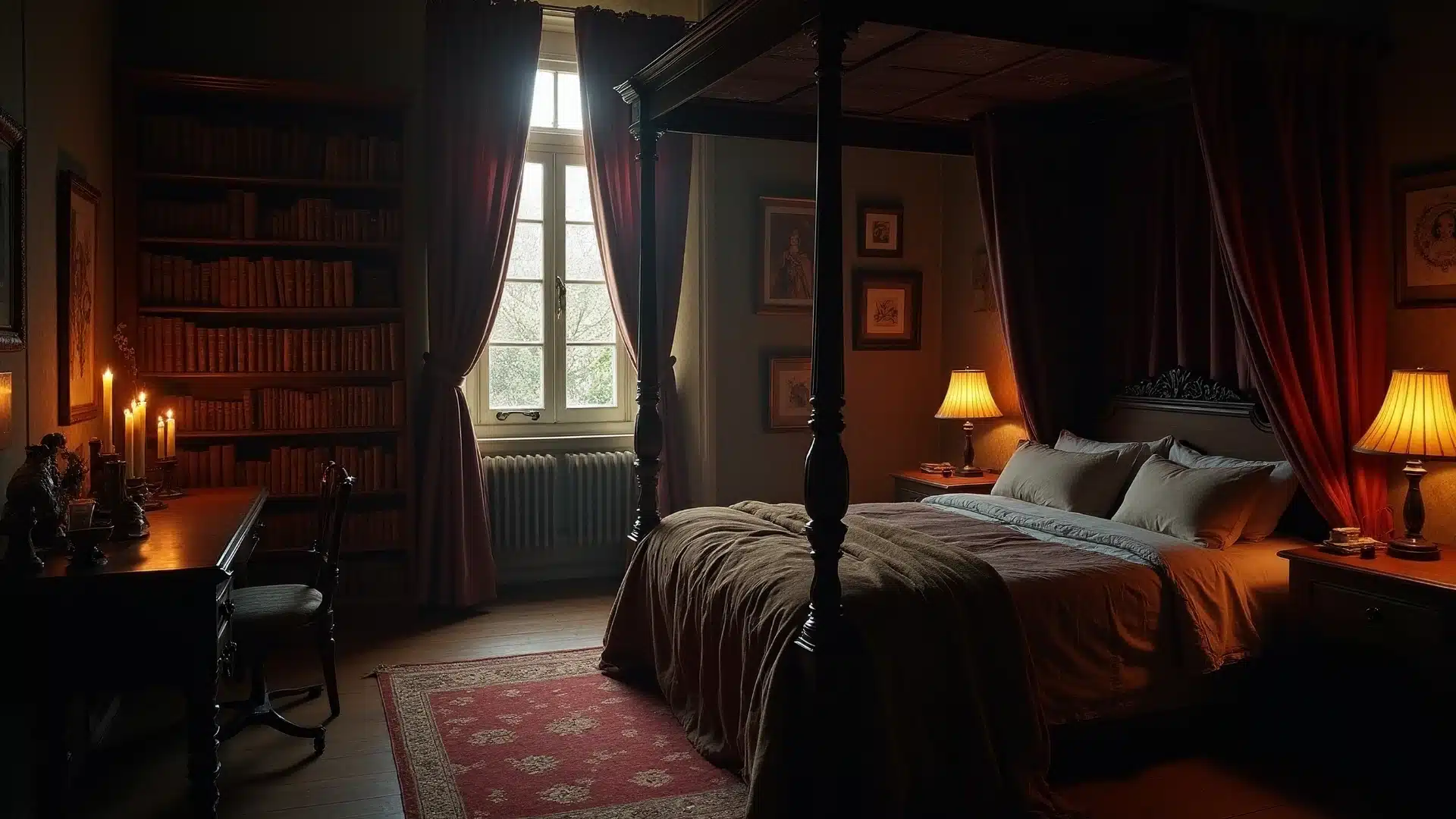
1. Canopy Beds
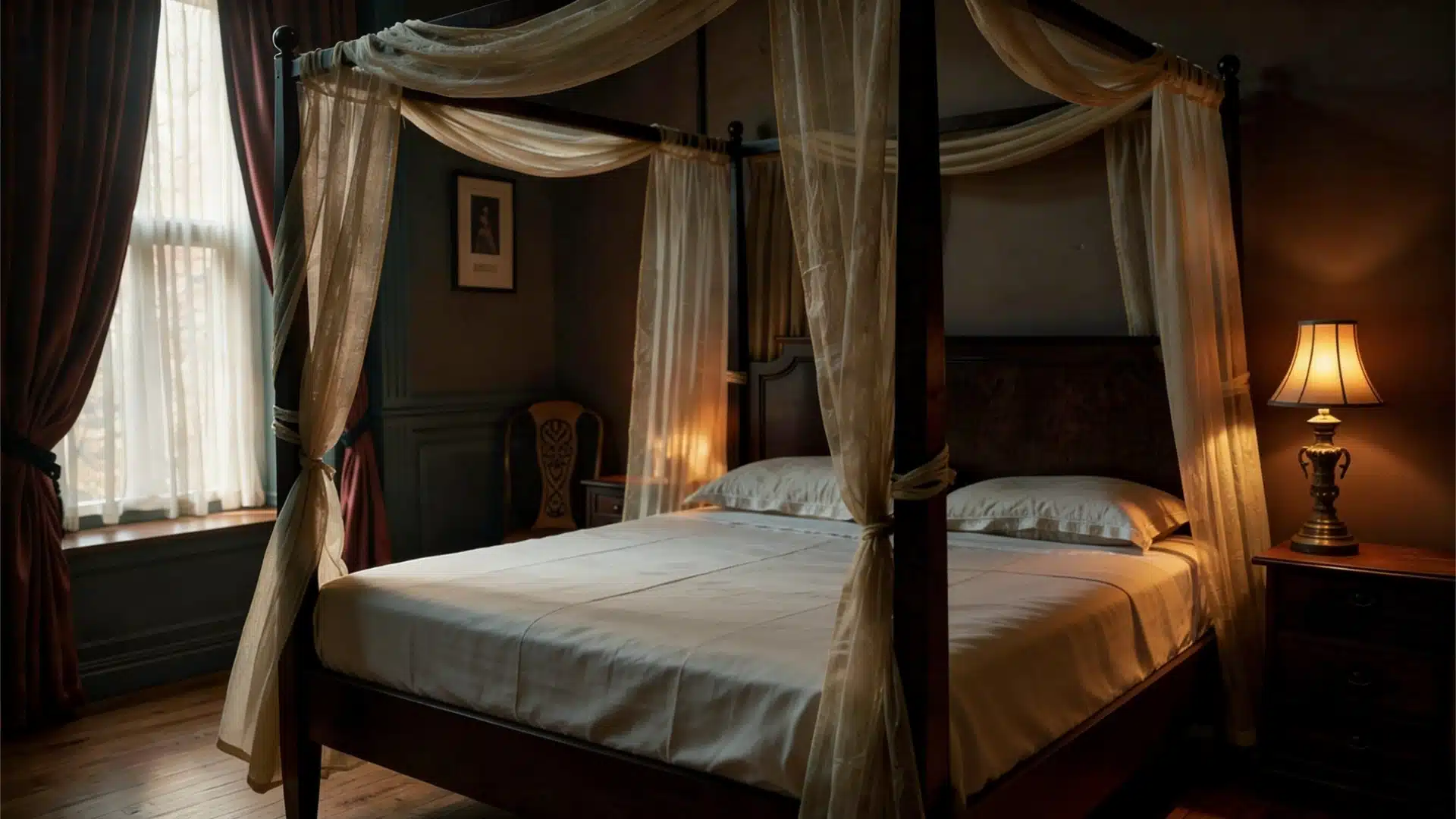
A canopy bed does a lot of heavy lifting in a dark academia bedroom. It creates instant depth and frames the space in a way few other furniture pieces can.
Go for dark wood frames or sheer, muted draping in neutral tones.
Interior designer Jacques Garcia often uses canopy structures in historic spaces to build intimacy and depth, and the same principle works just as well at home.
2. Layered Bedding in Dark Tones
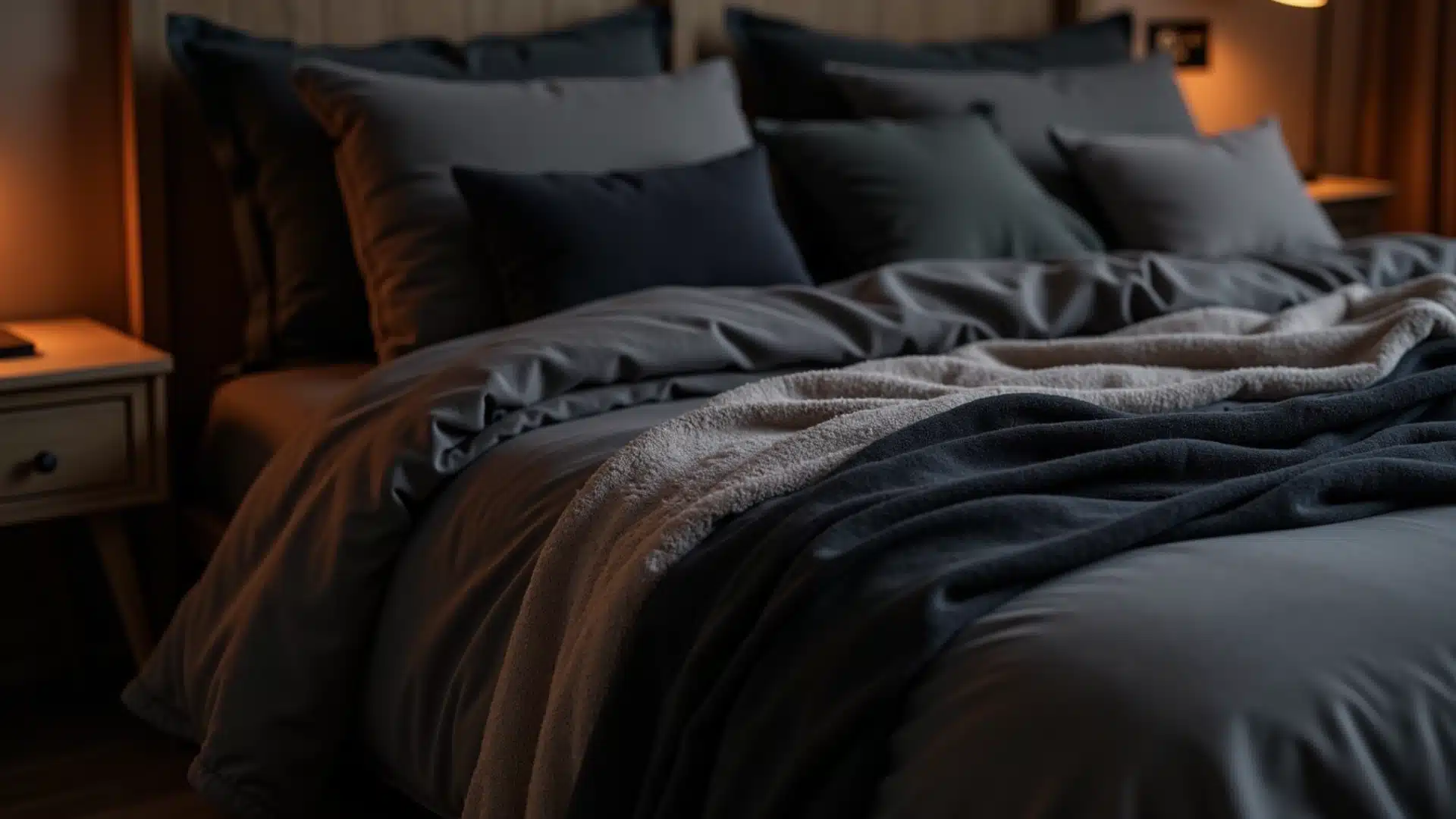
Bedding sets the mood more than most people think. In a dark academia bedroom, it’s all about layering.
Combine deep-toned sheets, throws, and cushions in colors like charcoal, forest green, or warm brown.
Stick to textures like velvet and heavy cotton; they add warmth and make the bed feel like something worth sinking into.
3. Quirky Antiques
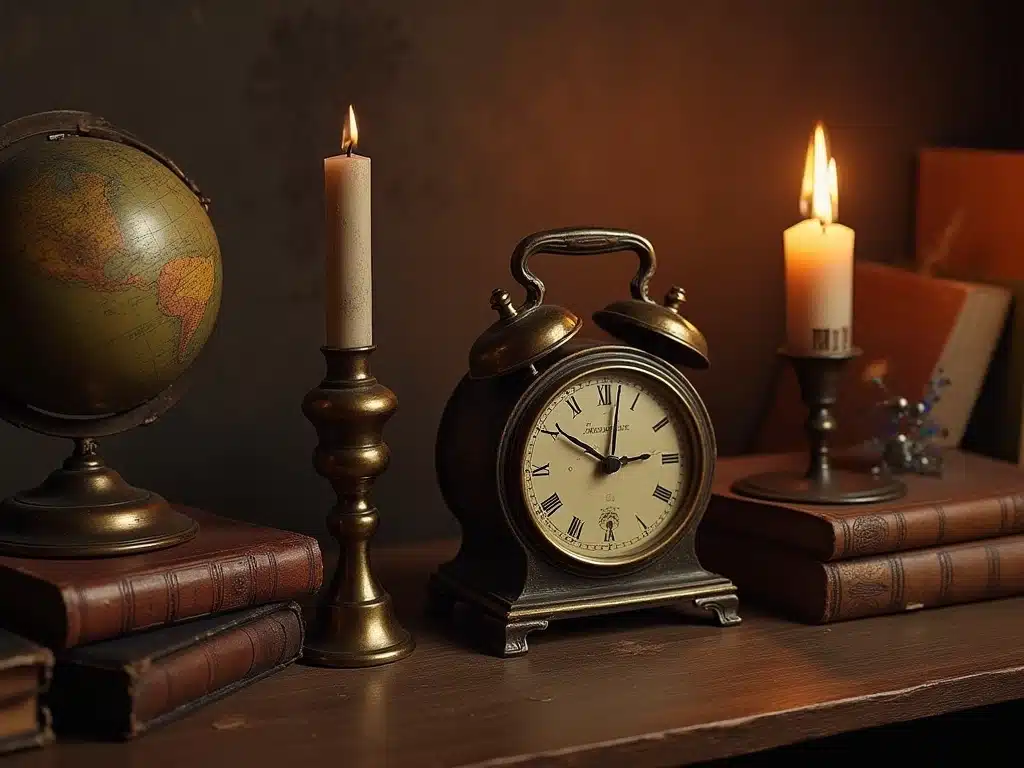
Antiques bring a sense of history that no new piece can replicate. Think vintage clocks, globes, candle holders, or aged frames placed around the room. Each piece should feel handpicked, not staged.
DesignerAxel Vervoordt follows this same philosophy; his interiors feature carefully chosen antiques that feel like they belong, rather than items placed purely for show.
4. Incorporate Art Gallery Wall
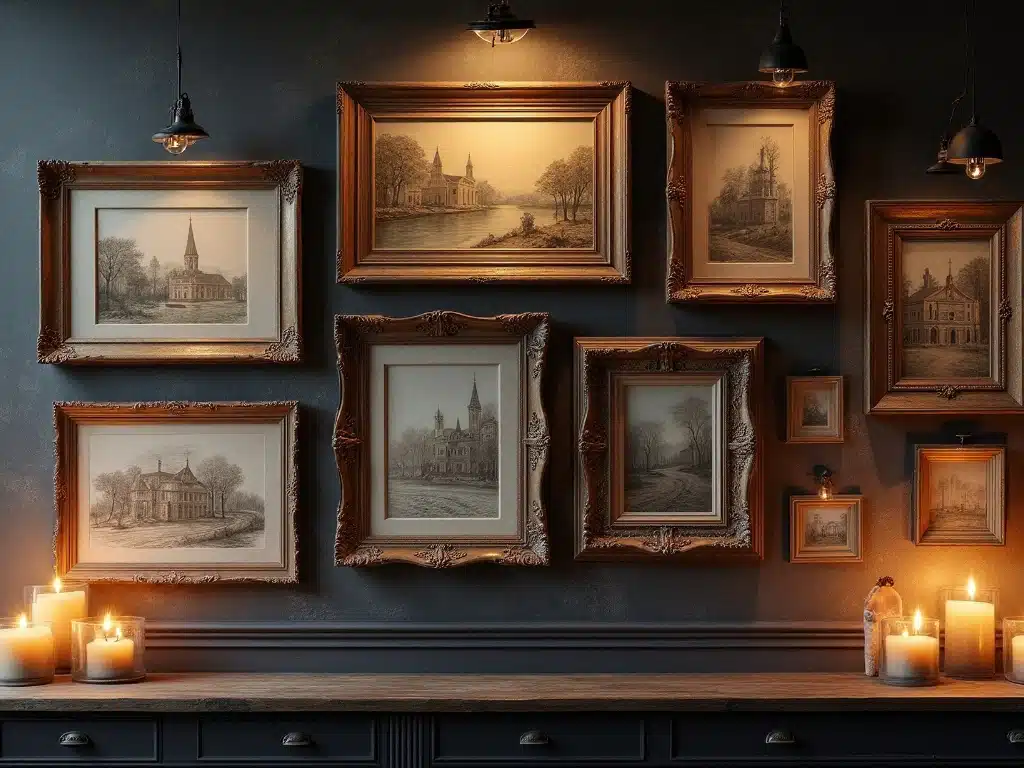
A gallery wall adds personality without much effort. Use classical paintings, sketches, or vintage prints, anything that feels old and considered.
Keep the frames slightly mismatched for a look that feels put together slowly rather than coordinated.
Arrange them in a restrained, gallery-like layout where each piece feels historical and intentional, not random or rushed
5. Warm Lighting and Lamps
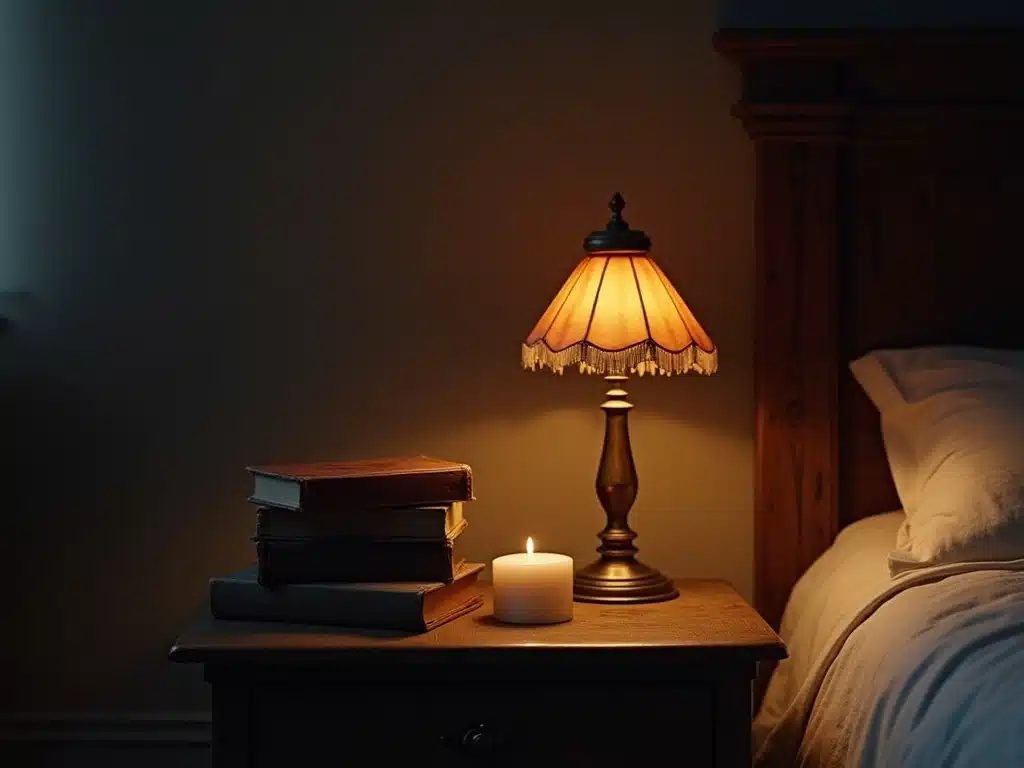
Lighting can make or break a dark academia bedroom. Use table lamps, floor lamps, and wall sconces fitted with warm bulbs (2700K or lower).
Avoid harsh white lighting entirely; it runs counter to everything the style stands for.
The goal is pools of light, not a lit room. Each lamp should illuminate its corner, not the whole space.
6. Heavy Drapes
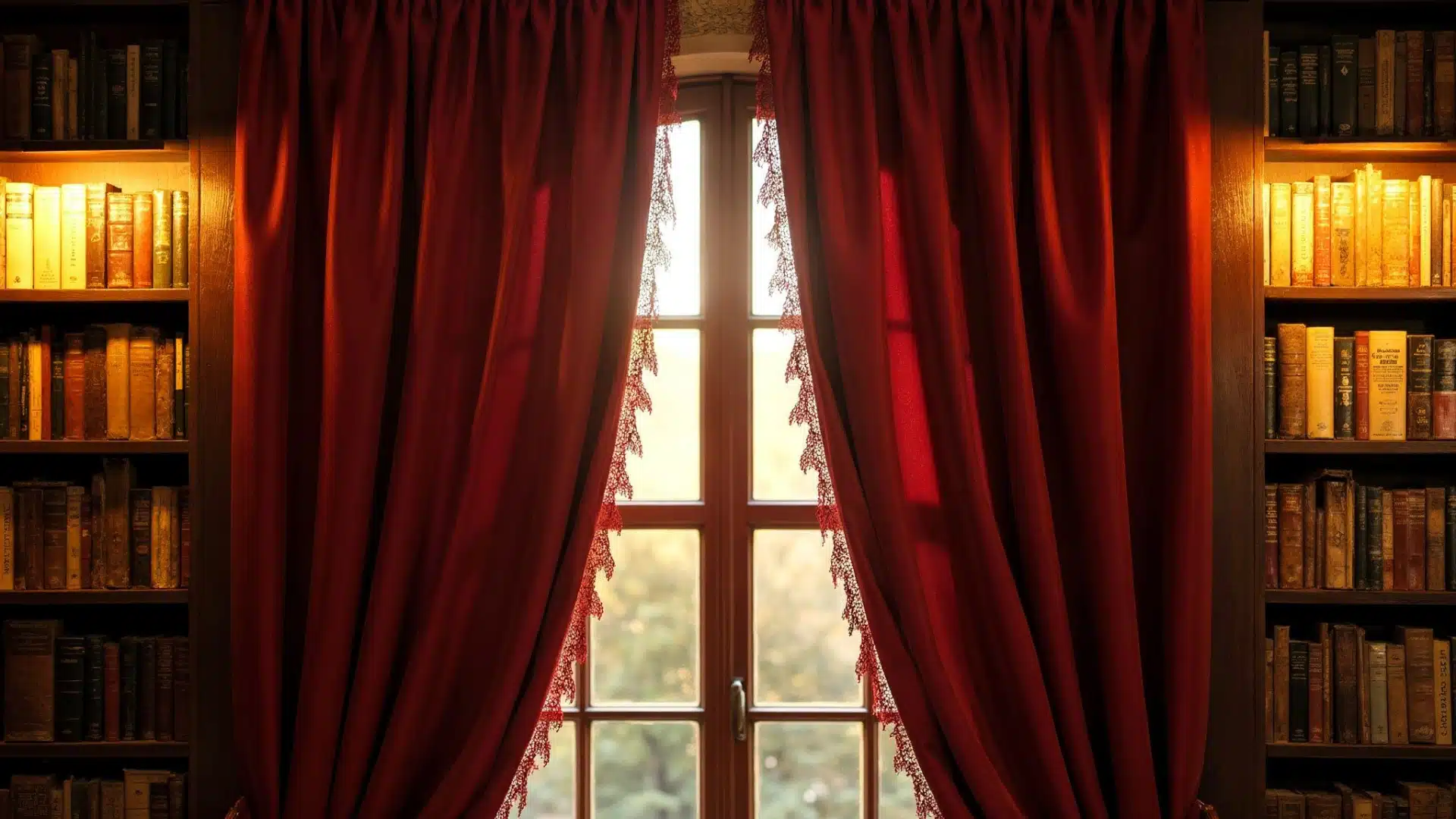
Curtains do more than block light; they shape how a room feels. In a dark-academia bedroom, thick velvet or heavy linen curtains work best.
They add richness to the walls, making the space feel more enclosed and enveloping.
The heavier the fabric, the more dramatic and warm the effect.
7. Dark Wood Bookshelf
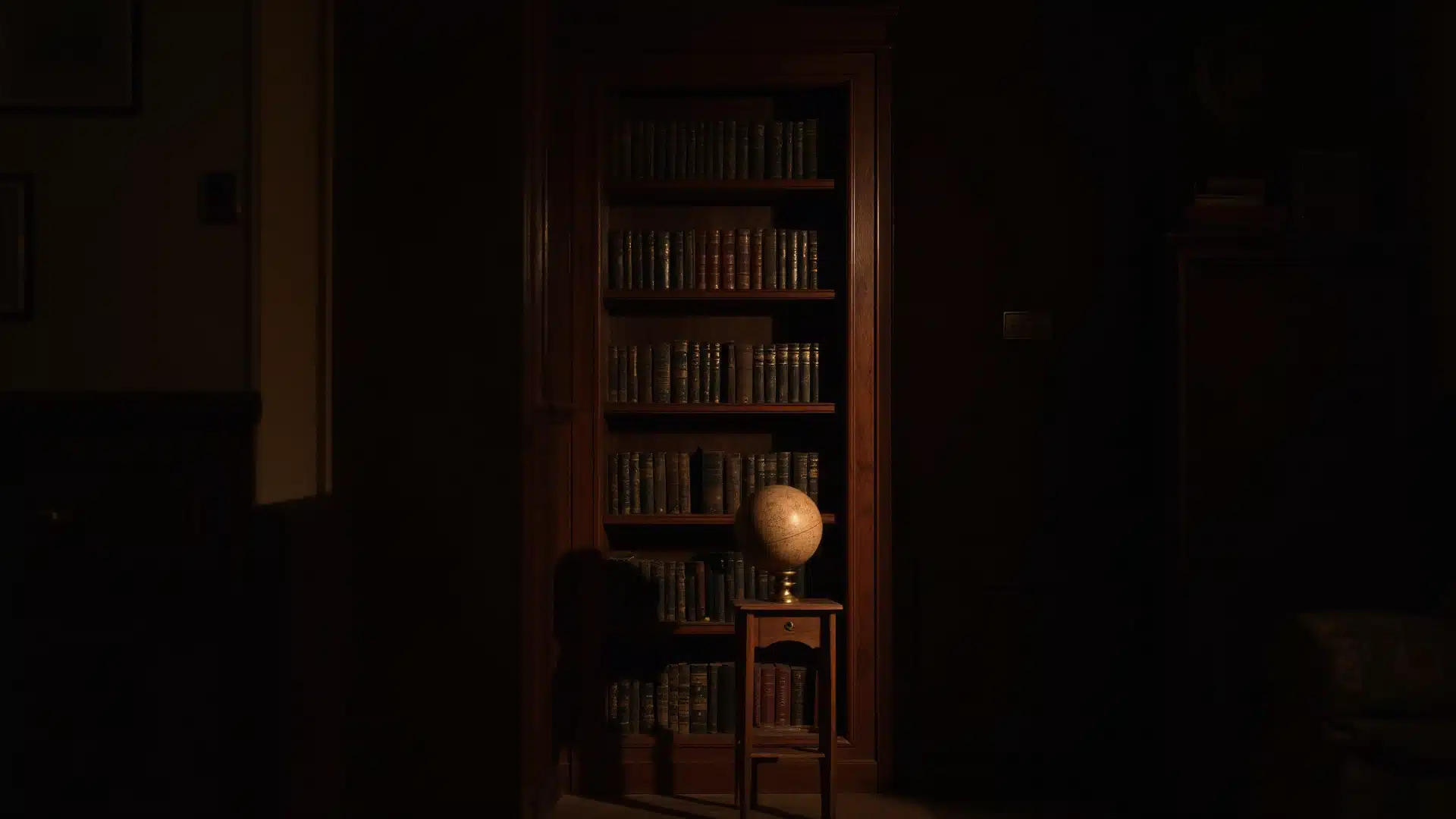
A dark wood bookshelf is one of the most fitting pieces for this style. Go slightly oversized, a tall, wide shelf filled with books and a few objects instantly anchors the room.
But avoid overdoing it. The goal is quiet confidence, not clutter.
One strong, well-placed bookshelf is far more effective than several smaller ones competing for attention.
8. Dark Neutral Wall Colors
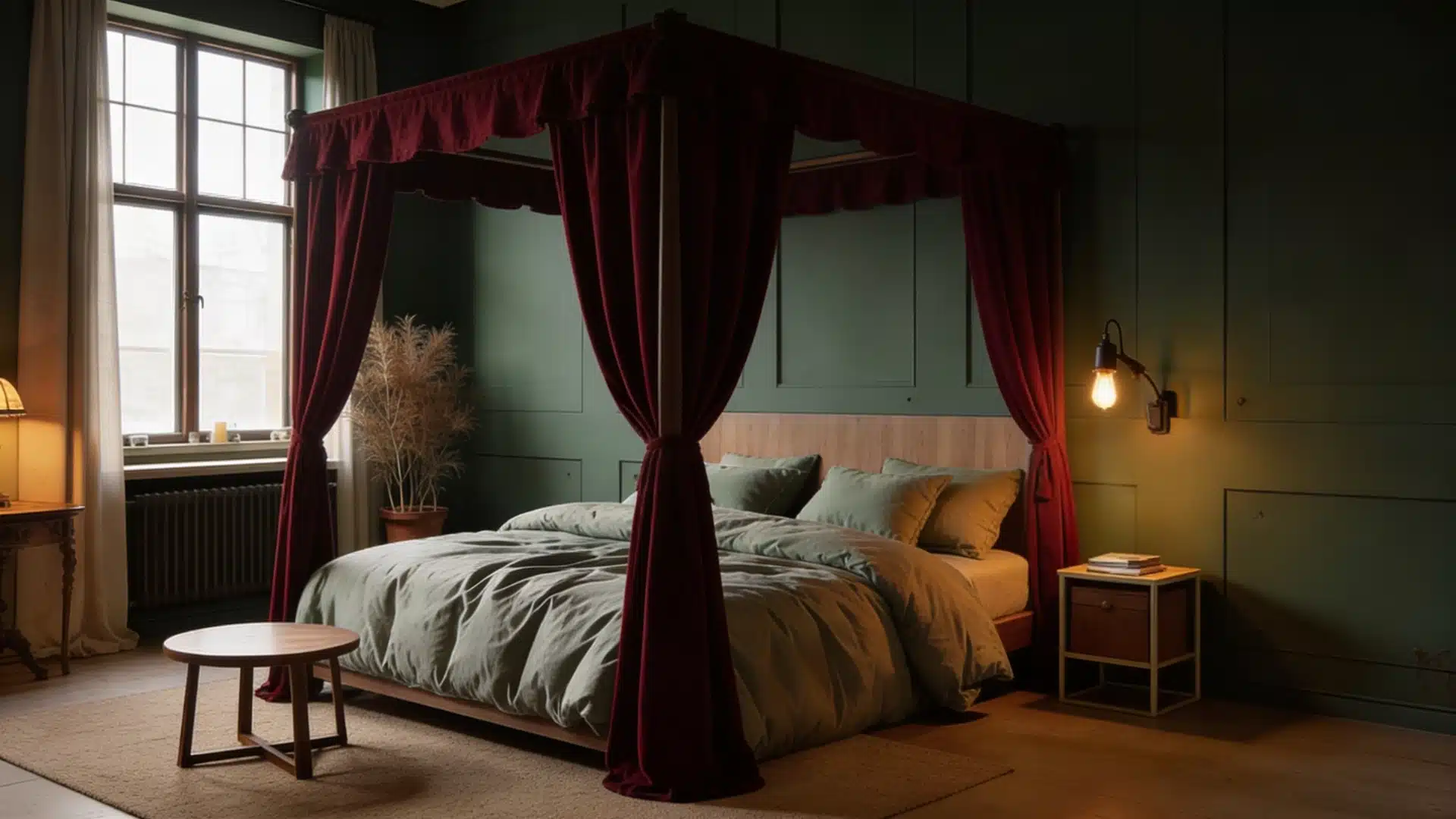
Wall color sets the tone for everything else in a dark academia bedroom. Shades like charcoal, espresso, olive, and deep navy all work well.
The key is pairing them with warm lighting; without it, dark walls can feel cold and flat. Done right, they make the room feel intimate and full of depth.
9. Candles to Elevate the Ambiance
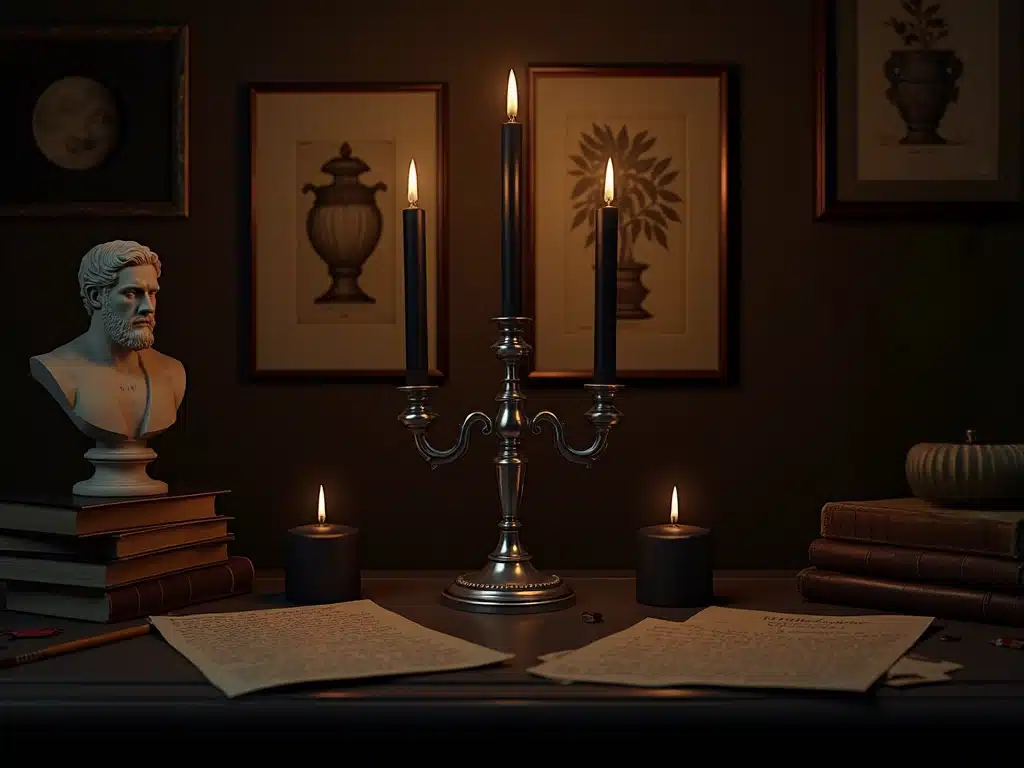
Few things add warmth quite like candlelight.
Use clusters of candles on a nightstand, a shelf, or a windowsill for a soft, flickering glow.
It adds movement to the room in a way that lamps simply can’t. Even a few candles placed thoughtfully can completely shift how a space feels at night.
10. Ornate Mirrors
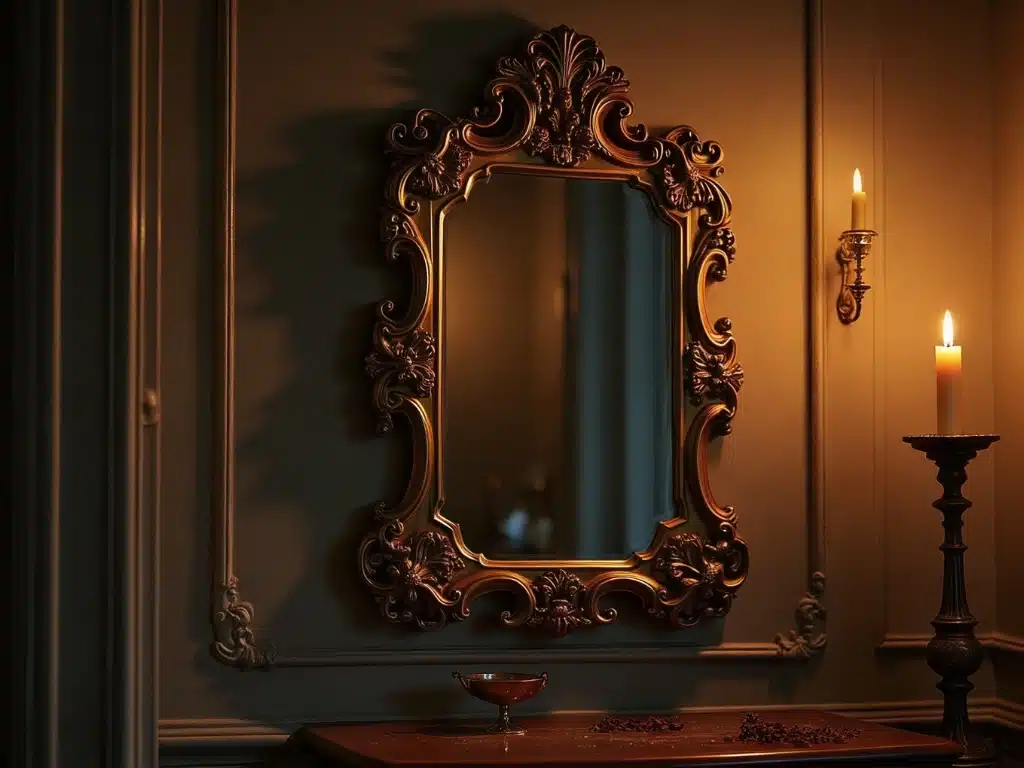
A well-chosen mirror does two things at once: it reflects light and adds character to the room. Go for vintage or baroque-style frames in dark gold or aged wood.
They fit naturally into a dark academia bedroom without feeling out of place.
Position one near a lamp or candle cluster, and it’ll quietly brighten the space while adding real depth.
11. Scale Without Excess
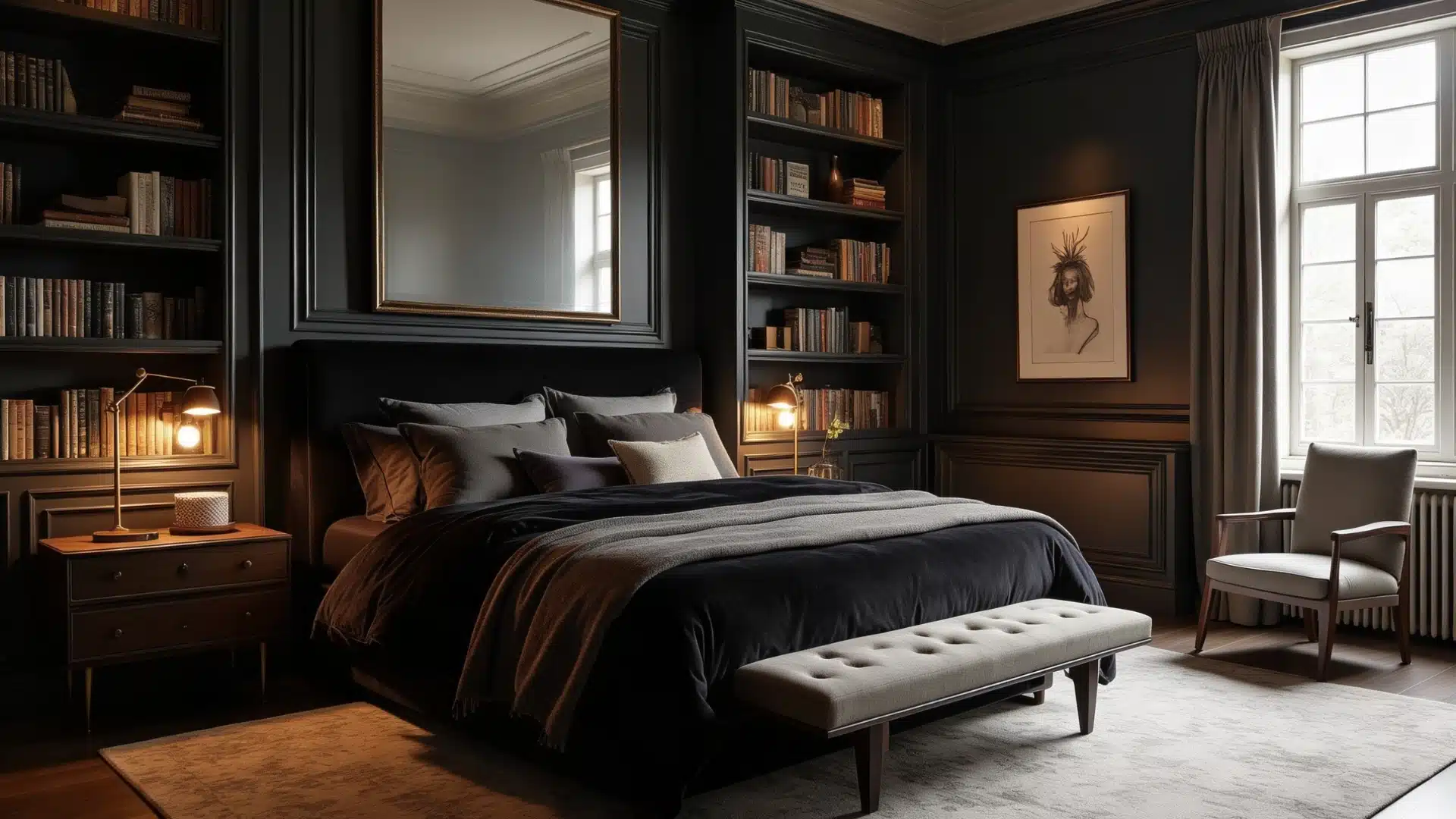
A dark academia bedroom can feel grand without feeling heavy. The trick is vertical emphasis and restraint.
- A taller headboard, an oversized mirror, or a bookshelf that draws the eye upward
- Symmetry helps paired lamps, evenly spaced frames, or balanced furniture placement
- One or two strong focal points always work better than too many competing elements
The key is restraint. A dark academia bedroom with quiet grandeur feels intentional, not overdone.
Start with one or two changes, then build from there.
How to Get the Look Without Spending Much
Getting this look doesn’t require a large budget.
Most of it comes down to being intentional with what you already have and knowing where to find the rest.
- Thrift shopping: Antique markets and second-hand stores are among the best places to find aged frames, dark-wood furniture, and vintage objects at a fraction of the cost.
- DIY art prints: Download classical paintings or botanical sketches and print them at home. Paired with a simple dark frame, they can look surprisingly refined.
- Work with existing furniture: A dark wood stain can completely transform a piece. Restyling what’s already in the room costs very little but makes a noticeable difference.
Start with what’s available, add pieces gradually, and the space will come together in a way that feels natural rather than forced.
Final Thoughts
A dark academia bedroom isn’t built in a day, and that’s actually the point.
It grows over time, filled with pieces that mean something and lighting that makes everything feel softer.
It doesn’t take a complete overhaul to get there. A warm lamp, a stack of books, a heavy curtain, small changes made thoughtfully add up quickly.
The style rewards patience. The more personal the choices, the better the room looks. Start small, stay consistent, and let the space reflect something real.
Done well, it doesn’t just look good, it feels like somewhere worth coming back to.
Frequently Asked Questions (FAQ’s)
1. Is Dark Academia Still Popular?
Yes. It has moved well beyond social media and into real interior design. People continue to use it as a practical approach to creating warm, personal spaces.
2. What Furniture Style Is Dark Academia?
Dark, heavy wood pieces with vintage or antique shapes. Think carved frames, tall bookshelves, and four-poster beds. Worn, aged finishes work better than anything too polished or new.
3. What Are Some Criticisms of Dark Academia?
Some find it too heavy or hard to maintain. Others feel it can look overdone when too many elements are added at once. Balance and restraint matter a lot.
4. What Are the Key Colors in Dark Academia?
Deep browns, charcoal, forest green, warm black, and muted burgundy. These are paired with warm lighting to stop the room from feeling too cold or flat.